Manufacturing and other firms with 20 to 49 workers must appoint a safety or health manager
Employer safety activities to count toward appointment requirement; labor costs and training fees to be subsidized
Enforcement targeted for 2028 following amendment to Occupational Safety and Health Act regulations next year
About 30,000 small workplaces in manufacturing and related industries will be required to appoint at least one safety manager or health manager under a plan agreed to by labor, management and government representatives.
The tripartite parties agreed to strengthen workplace safety management systems to prevent industrial accidents while accounting for the limited staffing and financial capacity of small businesses. The accord includes a provision allowing employers' own safety and health activities to count toward the appointment requirement, backed by government subsidies.
The Occupational Safety and Health Committee on Improving Industrial Accident Prevention at Small Workplaces — an agenda-specific body under the presidential Economic, Social and Labor Council — adopted an agreement Thursday on the use of safety and health managers at small workplaces at its 11th plenary session.
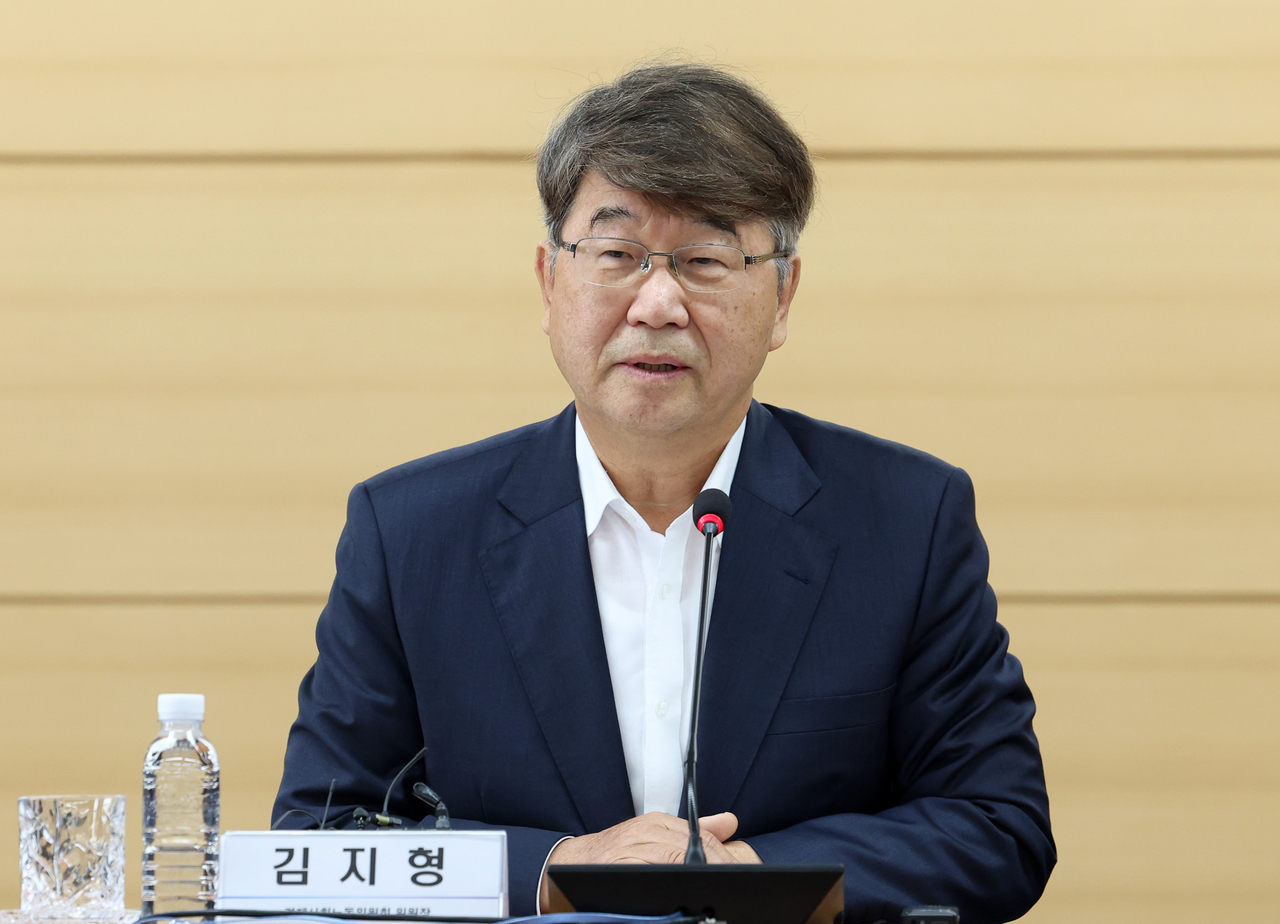
It marks the first tripartite accord reached through the Economic, Social and Labor Council since President Lee Jae Myung took office, and the first outcome produced by an agenda-specific committee under the "Social Dialogue 2.0" framework introduced by council Chairman Kim Ji-hyung.
The agreement covers workplaces with between 20 and 49 full-time employees in five sectors: manufacturing, forestry, sewage and wastewater treatment, waste collection and recycling, and environmental remediation. The council estimated roughly 30,000 workplaces fall within scope.
Those workplaces are currently required to designate a safety and health coordinator. Under the new accord, they will also be required to appoint a dedicated safety manager or health manager, strengthening the overall safety management structure.
However, the parties agreed to build flexibility into how the appointment requirement can be satisfied, given the constraints facing small businesses. Employers or existing safety and health coordinators who spend a minimum number of hours conducting safety and health activities — such as employee training and risk assessments — will be deemed to have fulfilled the appointment obligation.
"In workplaces with fewer than 50 employees, the employer plays the most critical role in safety and health," said Park Du-yong, chairman of the Occupational Safety and Health Committee. "The significance of this agreement lies in the recognition that employers must be genuinely involved in safety and health activities."
The government plans to actively subsidize labor costs, training expenses and program operating costs for safety and health personnel at small workplaces to ease the financial burden. Labor and management also agreed to participate in and support related activities to help workplaces build their own safety and health management capacity.
The Ministry of Employment and Labor plans to amend the enforcement decree of the Occupational Safety and Health Act next year to reflect the agreement, with implementation set for 2028.
Labor representatives said the accord was significant for clarifying accountability. "This agreement expands the obligation to appoint safety and health managers at small workplaces and makes clear the minimum duties and responsibilities involved," said Kim Gwang-il, head of the occupational safety and health division at the Federation of Korean Trade Unions.
Business groups said concrete support measures would be essential for the system to take hold. "Practical and specific support must accompany efforts to build genuine safety and health capacity at small workplaces that face tight staffing and financial conditions," said Im U-taek, head of the safety and health division at the Korea Enterprises Federation.
The committee plans to follow up the agreement with discussions on joint labor-management support programs, embedding risk assessment practices at small workplaces, and improving the effectiveness of industrial accident prevention initiatives. A second agreement is targeted for the first half of next year.
"This agreement carries special meaning as the first accord reached through the Economic, Social and Labor Council under the current administration," Chairman Kim said. "We will do our utmost to develop solutions for the remaining agenda items, with the understanding that this agreement is not the end of addressing industrial accident problems at small workplaces, but the beginning."
fact0514@heraldcorp.com