Deal covers Canadian farm goods, Chinese steel; announced day after US midterms
China and Canada have agreed to extend mutual tariff exemptions on select agricultural, seafood, steel and aluminum products through the end of 2028, building on a trade de-escalation deal struck at a summit earlier this year.
According to Bloomberg and other outlets, Chinese Commerce Minister Wang Wentao and Canadian Minister of International Trade Maninder Sidhu co-chaired the 29th session of the China-Canada Joint Economic and Trade Commission in Beijing on Tuesday, where the two sides reached the agreement.
Under the deal, China will maintain its additional tariff exemptions for another two years on Canadian canola meal — a byproduct left after oil is extracted from rapeseed — as well as peas, lobster and crab. Canada will extend its own tariff exemptions on select Chinese steel and aluminum products for the same period.
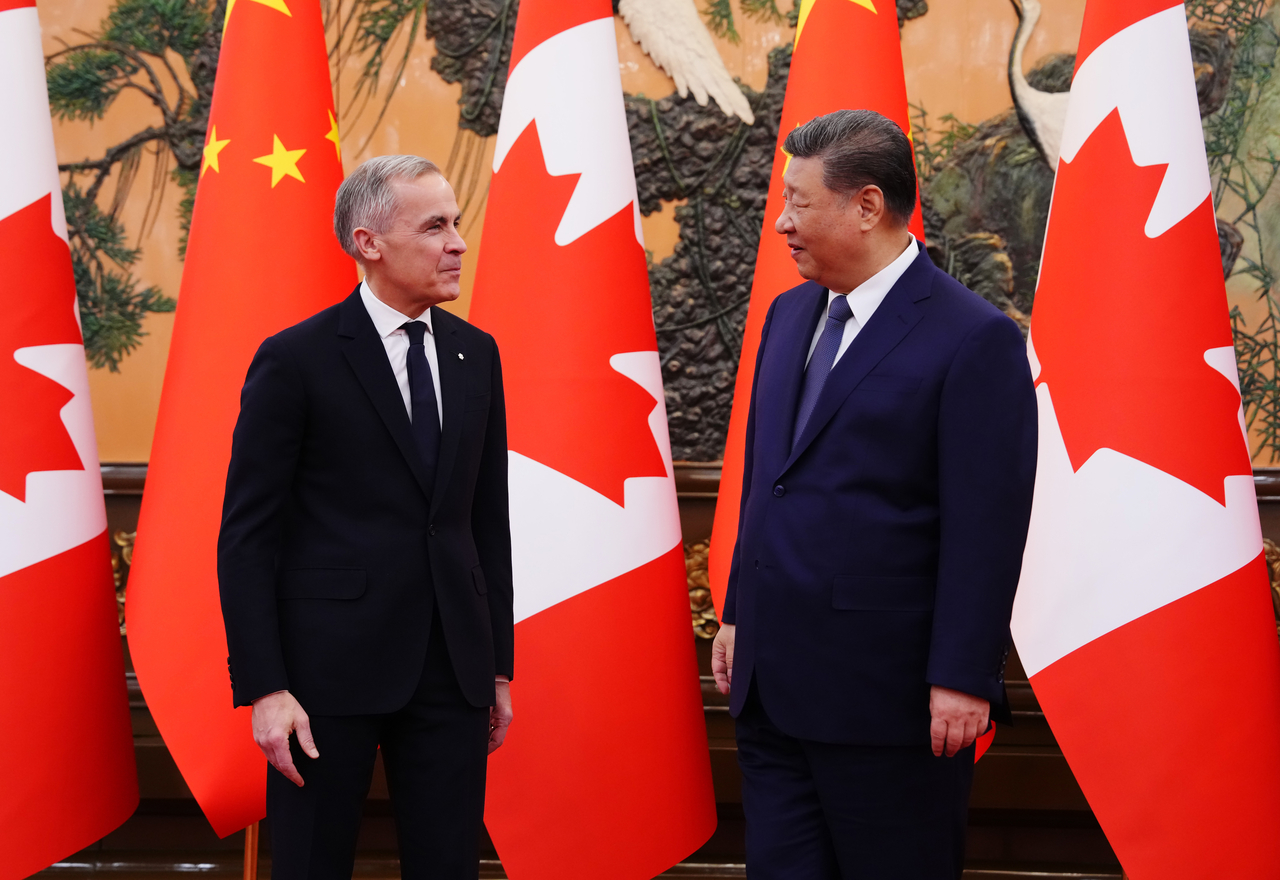
The move extends trade de-escalation measures agreed upon during Canadian Prime Minister Mark Carney's visit to China in January, when he met with President Xi Jinping.
Wang said in a statement from China's Ministry of Commerce that "recent economic and trade consultations between the two countries have achieved positive progress," and called for using the joint commission as a key channel to resolve disputes and expand cooperation — reducing differences while broadening collaboration.
Wang also said China would deepen cooperation in existing areas such as oil and gas, agriculture and seafood, and consumer goods, while expanding into emerging industries including new materials, advanced manufacturing, clean energy and smart agriculture.
Sidhu said the trajectory of the bilateral relationship was encouraging and expressed hope that the joint commission would help resolve outstanding issues and expand cooperation, according to China's Commerce Ministry. Sidhu also said Canada welcomes Chinese investment and collaboration in modern agriculture, manufacturing, financial services and energy.
Bloomberg noted that China and Canada are strengthening ties under pressure from US President Donald Trump's tariffs, after years of diplomatic friction between the two countries. The outlet also highlighted that the announcement came the day after the Republican Party, led by Trump, suffered a major defeat in the US midterm elections.
China and Canada have long been at odds since Canada arrested Huawei Vice Chair Meng Wanzhou in Vancouver in December 2018 at the request of the United States. Huawei is China's largest telecommunications equipment maker. Relations began to improve in January, however, when Carney visited China — the first Canadian head of government to do so since 2017 — and held a summit with Xi.
Carney is also expected to attend the Asia-Pacific Economic Cooperation summit in Shenzhen, Guangdong Province, China, on Nov. 18-19, where further discussions on bilateral economic cooperation are anticipated.
yckim6452@heraldcorp.com