Cross-ministry task force holds field meeting in Dongdaemun-gu on restart support
Hope Return Package budget reaches 330.2 billion won this year; demolition costs covered up to 6 million won
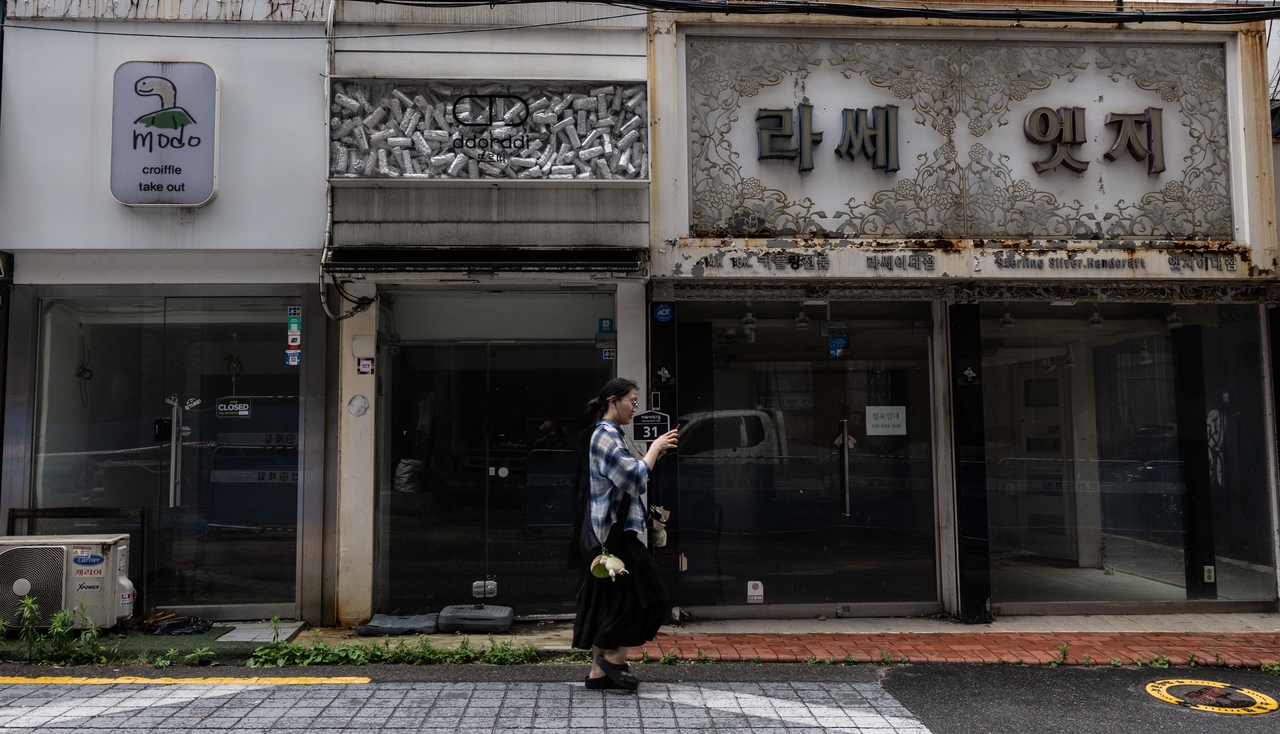
Small business owners who shut down due to financial hardship are calling on the government for greater support, saying they face not only loan repayments and store demolition costs but also a lack of living expenses after closure. They are asking for help covering closure costs, support for re-employment and restarting businesses, loan repayment deferrals and interest relief.
The cross-ministry Livelihood Stabilization Task Force held a field meeting Thursday at the Dongdaemun-gu Small Business Support Center in Seoul, gathering feedback from small business owners on the difficulties they face during the restart process and their policy recommendations under the Hope Return Package program.
The meeting was organized to hear from small business owners who had closed and relaunched amid prolonged high interest rates, high inflation and sluggish domestic demand. Participants said the burden of repaying loans and covering demolition costs at the time of closure was heavy, and that even after shutting down they continued to struggle economically due to insufficient household income and lingering debt.
Jang Do-hwan, head of the Livelihood Stabilization Task Force, visited a nearby small business owner who had relaunched after the meeting to check on operations and identify any additional support needed.
One case highlighted at the event involved an owner who, after closing a business due to a dispute with a partner and financial difficulties, found a new opportunity in the custom pet-supply market for large dogs. That owner is now pursuing product development and sales channels through the Hope Return Package. Another case involved an owner with expertise in the coffee industry who had struggled to turn a profit but, with support from the same program, improved the cost structure and diversified sales channels.
The Hope Return Package provides integrated support to help small business owners overcome management crises, ease the burden of closure, and connect them with employment and restart opportunities. This year's budget stands at 330.2 billion won ($246 million), comprising 213.9 billion won for one-stop closure support, 38.6 billion won for specialized employment support and 77.7 billion won for business restart support.
The one-stop closure support covers business wind-down consulting, store demolition costs, legal advice and debt restructuring. Demolition and restoration costs are subsidized at 200,000 won per 3.3 square meters, up to a maximum of 6 million won. The program also includes legal advice on lease, credit, labor, franchise and tax matters, debt restructuring plans and litigation support.
Small business owners looking to transition to salaried employment after closure can receive job training, allowances and employment placement assistance. A career-change incentive pays 600,000 won upon completing advanced training and an additional 400,000 won after remaining employed for a set period, for a total of 1 million won.
Those who engage in job-seeking activities linked to the National Employment Support System can also receive a monthly allowance of 200,000 won for up to six months, totaling a maximum of 1.2 million won. The number of recipients eligible for this linked allowance, provided in cooperation with the Ministry of Employment and Labor, has been expanded from 2,000 to 3,000 people. Forest therapy and psychological support services are also available.
The business restart support component connects owners with one-on-one management assessments by specialists, commercialization training, consulting and funding. Commercialization funding of up to 20 million won is available, with recipients required to contribute 50 percent of the grant amount themselves. A dedicated restart manager is also assigned to each participant for close, ongoing guidance.
"Since 2015, the government has been providing package support covering everything from closure to employment and commercialization to help small business owners overcome management crises, ease the burden of shutting down and make a swift comeback," Jang said. "We will work to ensure that the issues and recommendations raised at today's field meeting are reflected in the Hope Return Package and other small business restart support programs."
fact0514@heraldcorp.com