Top 2 local commerce districts named by public vote
Jeju's LPP ranks first, North Jeolla's Gimje Juksan-myeon second
Vacant inns and abandoned homes transformed into regional landmarks
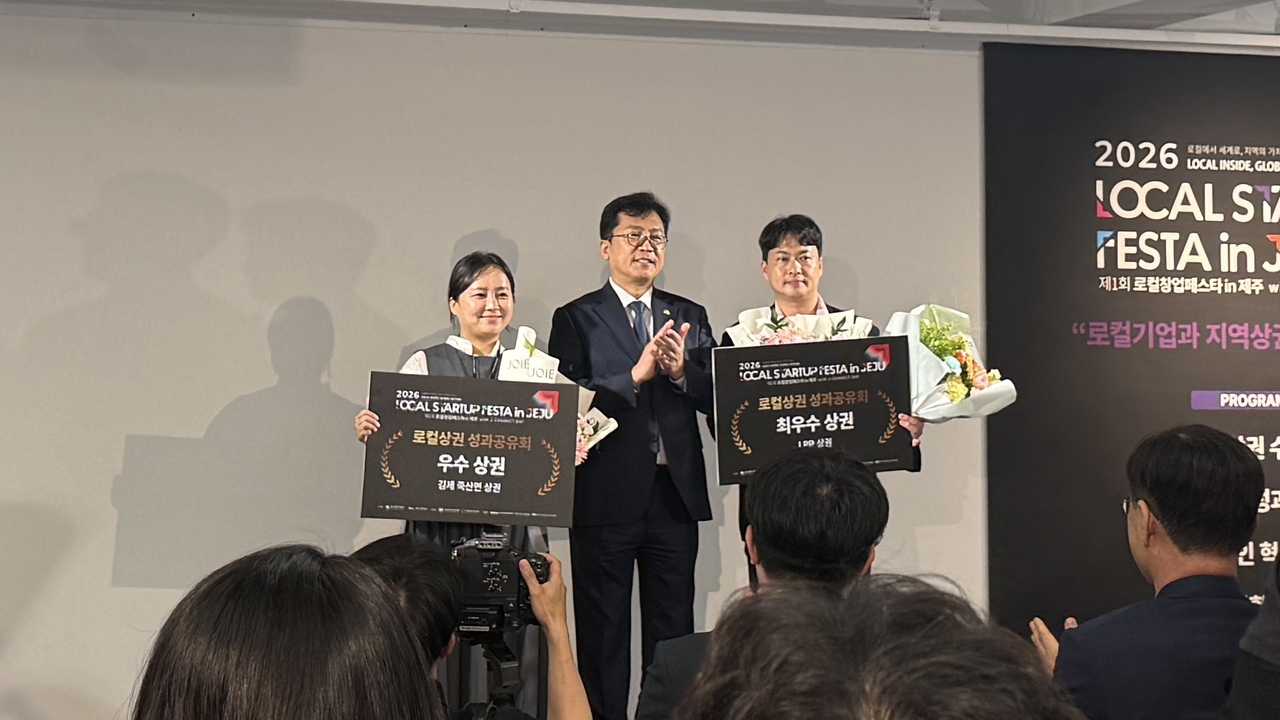
Ten startup teams have moved into a rural village in North Jeolla Province's Gimje that once had no young residents at all, while visitors from across the country have begun flocking to LPP, a multi-use complex built inside a renovated old inn in Jeju's original downtown. Amid the broader decline of regional commerce, young entrepreneurs are carving out new commercial districts by putting idle spaces and local resources to work.
The Ministry of SMEs and Startups and the Korea SMEs and Startups Agency held a local commerce achievement-sharing event Thursday at LPP in Jeju as part of the 2026 Local Startup Festa, announcing the results of a public vote to select the country's top local commerce districts. Jeju's LPP district along Gwandeokjeong-gil in the original downtown took first place, while the Juksan-myeon district in Gimje, North Jeolla Province, came in second.
The event showcased standout cases in which entrepreneurs converted vacant local spaces into startup hubs, drawing young businesses and tourists to revitalize alley commerce districts.
10 startup teams in a village that had no young residents — and 37 shops where there were 21
Choi Byeol, CEO of fld studio, which leads the Gimje Juksan-myeon commerce district, described at Thursday's event the changes that youth entrepreneurship has brought to the rural village.
When Choi first visited Juksan-myeon seven years ago, there was not a single young resident in the village. The area had once thrived as a stop along the road to Jeonju, hosting a periodic market, but new road construction rerouted traffic and left behind only empty storefronts.
Change began when Choi renovated an abandoned house and opened a cafe. At the time an employee at MBC, Choi had been thinking about ways to make a living in the countryside without farming, and launched the cafe. As more visitors came to the village, young startup teams began to follow, one by one.
The startup teams now generate annual sales of about 1 billion won ($746,000). "Seven years of change have happened in a village that had no young people at all," Choi said. "The number of young startup teams has grown to 10, and the number of shops has increased from 21 to 37."
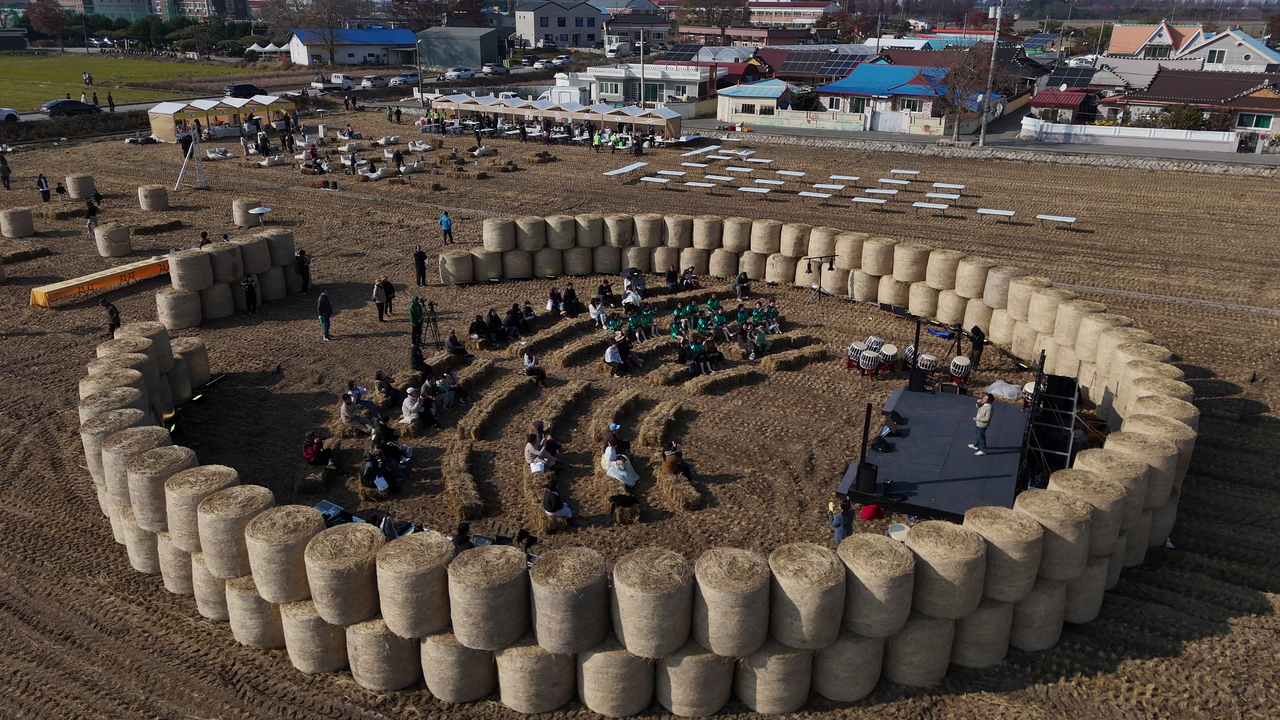
The "Nonbadak Village Fiesta," which Choi created together with local residents, is also establishing itself as a new tourism draw. Local farmers provide their rice paddies and farm equipment, while merchants hold discount sales during the event in the style of a department store clearance sale. A trial run last year drew about 2,000 visitors over two days.
Choi connects farmers and young entrepreneurs through a local agricultural brand called "Oneul-ui Pyeongya" (Today's Plains), selling products online so that tourists can continue buying local goods even after they leave the area.
"It would be hard to become a large commercial district like Gyeongju's Hwangni-dan-gil," Choi said, "but I want to show city people that somewhere out there is a village that knows them, and that they know."
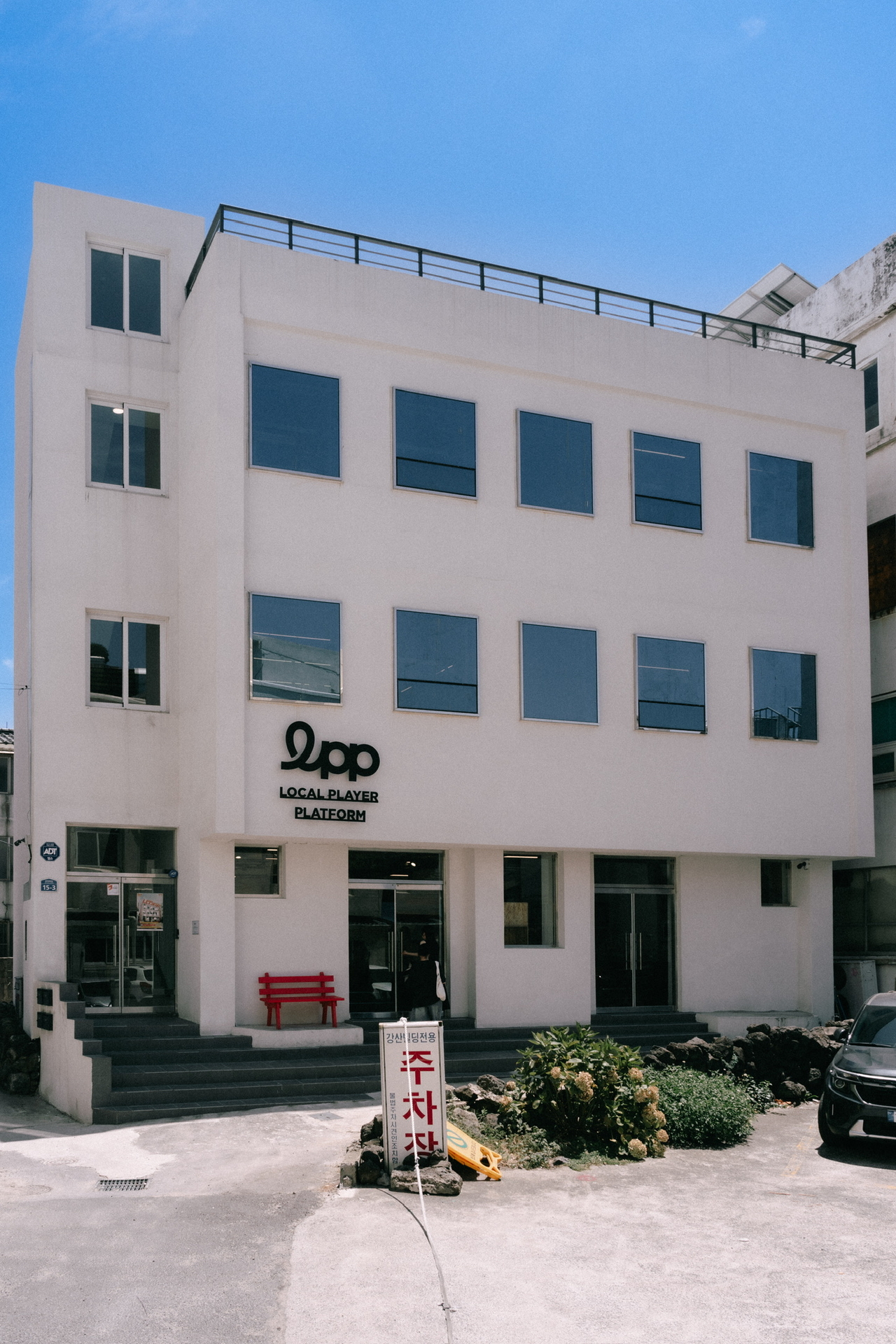
An old inn becomes a local startup hub, bringing new energy to Jeju's original downtown
The Jeju LPP district, which topped the public vote, is a case study in transforming a vacant building in a declining original downtown into a gathering place for local brands and people.
Lee Geum-jae, CEO of the social enterprise Ilowa, which leads the district, renovated an old inn in Jeju's original downtown into LPP, a multi-use complex that hosts local brand pop-up events, exhibitions and performances.
"I believed that content is created when people gather, and that new commercial districts gain vitality from that," Lee said.
In practice, a pop-up event held at LPP in partnership with Naver Happy Bean drew 1,467 visitors. Including crowdfunding tied to the event, sales and funding at the time of the presentation totaled about 72 million won.
Ilowa has pursued a range of projects in Jeju's original downtown since its founding in 2011, including running spaces, staging performances, organizing markets and selling local products. It has built partnerships with 238 local brands in Jeju and holds monthly pop-up events at LPP.
Lee also spoke candidly about the difficulties encountered in revitalizing the district. "The process of building relationships with local merchants and carrying out new initiatives together is what matters," Lee said.
"I believe good companies make good cities," Lee added. "New jobs and a sustainable local economy can only be created when good products actually reach customers — not just when they are made."
The Ministry of SMEs and Startups said it plans to continue identifying such cases and directing its efforts toward reviving local commerce districts. Vice Minister Lee Byung-kwon said the ministry is "pursuing support projects to nurture innovative small business owners and entrepreneurs, and to turn local commercial districts into places people want to visit and linger in," adding that he hopes "outstanding cases will spread and lead to even greater results next year."
boo@heraldcorp.com