A Nexon 'KartRider' copycat on Roblox mirrored the original's maps, controls and UI; overseas, clones of Valve titles also appeared. Steam games disclosing AI use surged from 2,196 in 2024 to 9,552 this year.
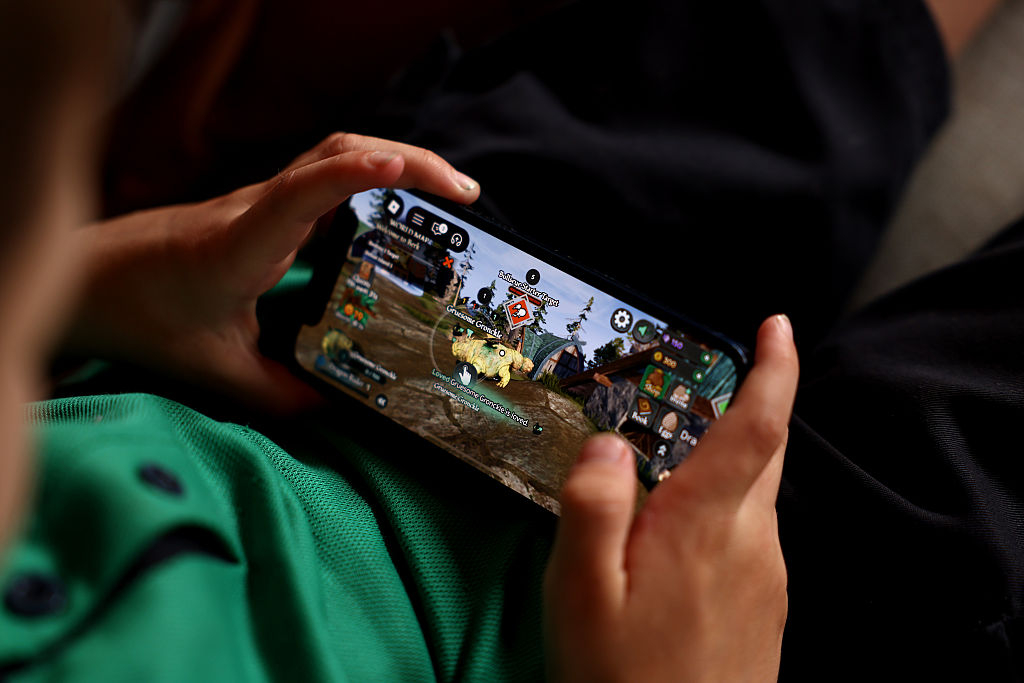
Concerns over AI-powered game cloning have now reached major studios.
Games mimicking popular titles from Nexon and Valve Corporation have recently appeared on Roblox, the user-generated game creation and sharing platform.
The copycat games reproduced the originals' screen layouts, map designs and control schemes with striking fidelity.
As advances in AI make game cloning and development far easier, major studios are sounding the alarm over intellectual property protection.
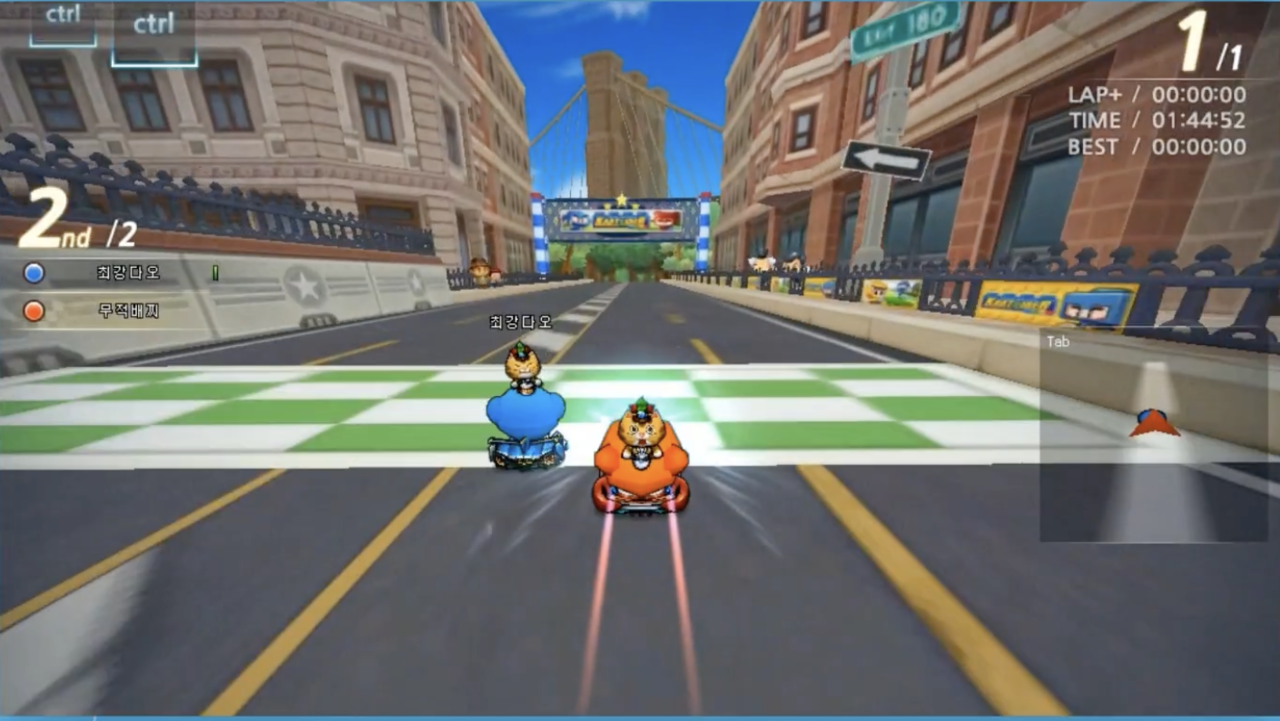
According to industry sources, "Drift Universe," a clone of Nexon's popular racing game KartRider, was posted to Roblox on Oct. 12.
The game closely replicated KartRider's user interface, map layouts and handling. It drew wide attention, racking up 50,000 cumulative users within days of its release.
Users who encountered the game reacted with comments such as "This is basically a direct port of KartRider" and "Isn't this going to get taken down soon?" Drift Universe has since been removed following a takedown request from Nexon.
A Nexon official said the company determined the game infringed on its intellectual property and requested that Roblox remove it. "When we identify cases that we judge to be infringements of our intellectual property rights, we respond firmly through the appropriate procedures," the official said.
Similar cases have emerged overseas. On Oct. 28, clones of Valve Corporation's "Left 4 Dead 2" and "Counter-Strike 2" appeared on Roblox, generating buzz among international fans.
"Left 4 Dead 2," released in 2009, is a cooperative survival shooter in which players fight off zombies; its cumulative sales on Steam alone are estimated to exceed 60 million copies. "Counter-Strike 2," a team-based shooter, surpassed a peak concurrent player count of 1.86 million on Steam in April last year.
Those copycat games also closely replicated the originals' interfaces and controls, and have since been taken down.
Industry observers have raised the possibility that developers used AI to analyze the graphics and game structures of the originals before building the clones.
As generative AI technology has advanced rapidly, the time and cost required to write game code and produce graphics have fallen sharply, making it far easier to create games that borrow the core elements of existing titles.
The problem has grown severe enough that clones based only on a game's demo version or promotional footage have begun appearing before the original's release, causing serious harm to smaller studios.
Now that copycat developers are also targeting the core intellectual property of major studios with large established user bases, the entire industry is on high alert.
As in Nexon's case, game companies currently respond to copycat titles appearing on platforms such as Roblox and Steam by filing takedown requests directly with the platforms.
Roblox stated in an official developer forum in 2023 that it "cannot remove suspected infringing content until the rights holder submits a takedown request claiming intellectual property infringement."
The problem is that as AI-assisted game development spreads rapidly, individual studios face practical limits in tracking down and responding to every copycat title on their own.
According to game statistics site SteamDB, the number of Steam games that disclosed AI use in their development process grew from 2,196 in 2024, to 4,675 in 2025, to 9,552 as of Thursday this year.
Calls are growing for game platforms to conduct proactive copyright screening and strengthen post-release monitoring. Roblox Korea did not respond to a query asking whether such systems are in place.
young2@heraldcorp.com