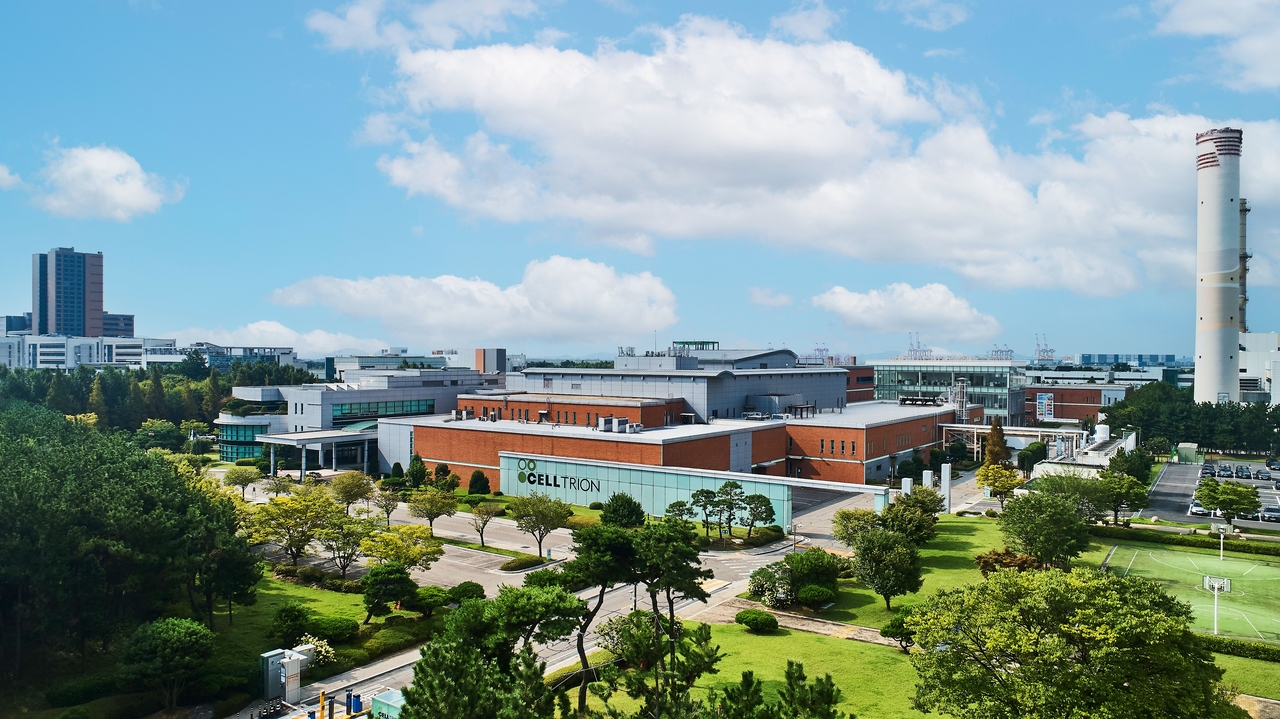
Cell Biotech's Gimpo factory leads Denmark's pharmacy market with proprietary strains and patented dual-coating technology
Smart 24-hour controls and AI sorting drive production as the company weighs facility expansion to meet export demand
A Phase 1 trial with Seoul National University Hospital advances a colorectal cancer drug candidate, signaling a push into biopharmaceuticals
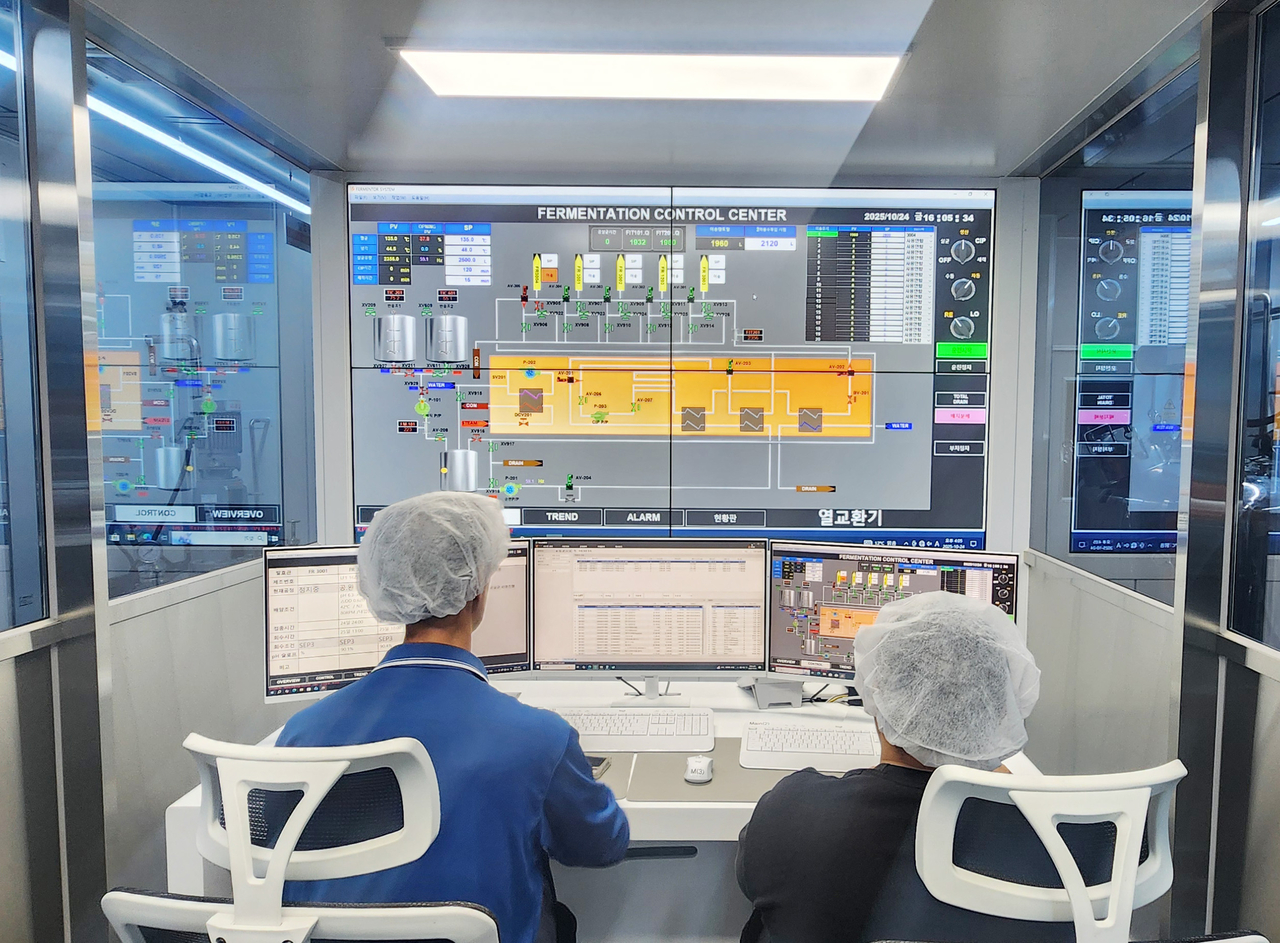
The moment the airlock door to the fermentation wing swung open, a warm, yeasty aroma — somewhere between freshly baked bread and steaming makgeolli mash — filled the air. The scent comes from the grain- and yeast-based nutrient medium used to cultivate lactic acid bacteria. Beyond the door, rows of large fermentation tanks hummed steadily.
On Wednesday, at Cell Biotech's production base in Wolgot-myeon, Gimpo, Gyeonggi Province — about an hour's drive from Seoul — the tanks were churning out more than 100,000 trillion lactic acid bacteria a day through 10 metric tons of culture fluid.
Every finished probiotic product Cell Biotech makes carries a proprietary strain identification number, known internally as a Strain Number. The strains were isolated directly from sources including the fecal matter of exclusively breastfed newborns and traditional kimchi. All are 100 percent Korean-origin strains, including 11 varieties listed under the US Food and Drug Administration's Generally Recognized As Safe, or GRAS, designation — the agency's highest safety certification. The unique registration system, which transparently documents each strain's origin and safety profile, sets the company apart from contract manufacturers that simply blend imported raw ingredients.
"We cultivate Korean-origin strains isolated from traditional fermented foods and the fecal matter of Korean newborns at a scale of more than 100,000 trillion organisms a day," said Choi Seon-gu, Cell Biotech's fermentation team leader. "The entire microbial fermentation process is controlled in real time around the clock through a smart factory system, which keeps quality consistent."
Inside the fermentation vessels, conditions are kept precisely at 37 degrees Celsius — the optimal growth temperature for lactic acid bacteria — in an anaerobic, oxygen-free environment. Smart sensors continuously adjust acidity levels in real time to prevent the bacteria from producing excess lactic acid and dying off prematurely.
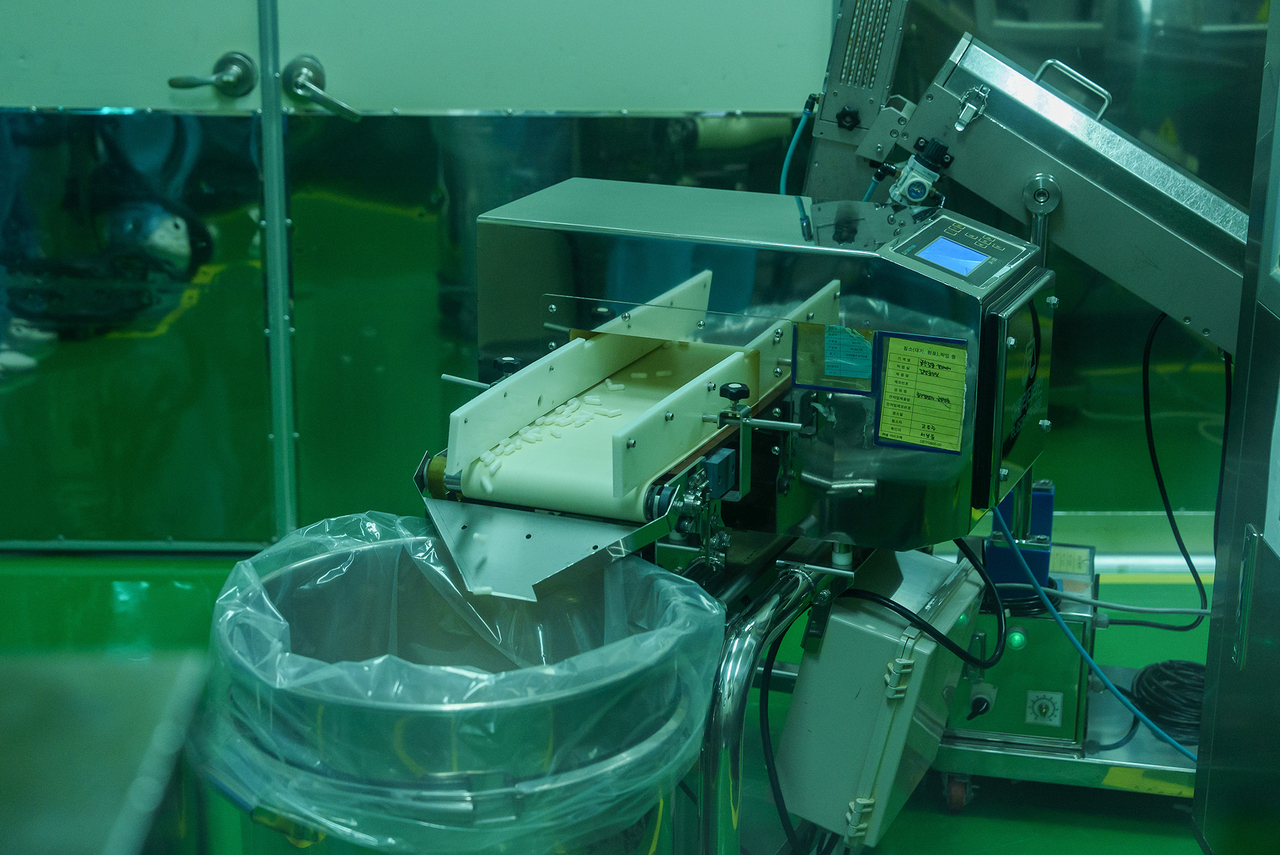
Once cultivation is complete, the bacterial mass passes through a high-speed continuous centrifuge, concentrating it into a thick, yogurt-like form before feeding directly into the company's core proprietary process: Dual Coating.
Dual Coating is a patented technology that first wraps live lactic acid bacteria in a protein layer to withstand strong acidity, then applies a second polysaccharide layer to boost resistance during processing and storage. The capsule is designed to stay tightly sealed in the stomach's acidic environment — pH 2 to 3 — and in bile, protecting the bacteria until they reach the neutral environment of the intestine at pH 6 to 7, where the coating gradually dissolves. The technology raises intestinal survival rates by up to 221 times compared with standard coated probiotics, and the clinical results are officially printed on product packaging in Singapore and several European markets.
The live bacteria then undergo freeze-drying — a roughly 96-hour process that sublimates moisture from the frozen cells — yielding a pure white powder. The entire production chain, from strain isolation through cultivation, harvesting, freeze-drying, coating and finished-product packaging, is completed within a single facility. Cell Biotech has maintained this one-stop integrated manufacturing philosophy since its founding in 1995.
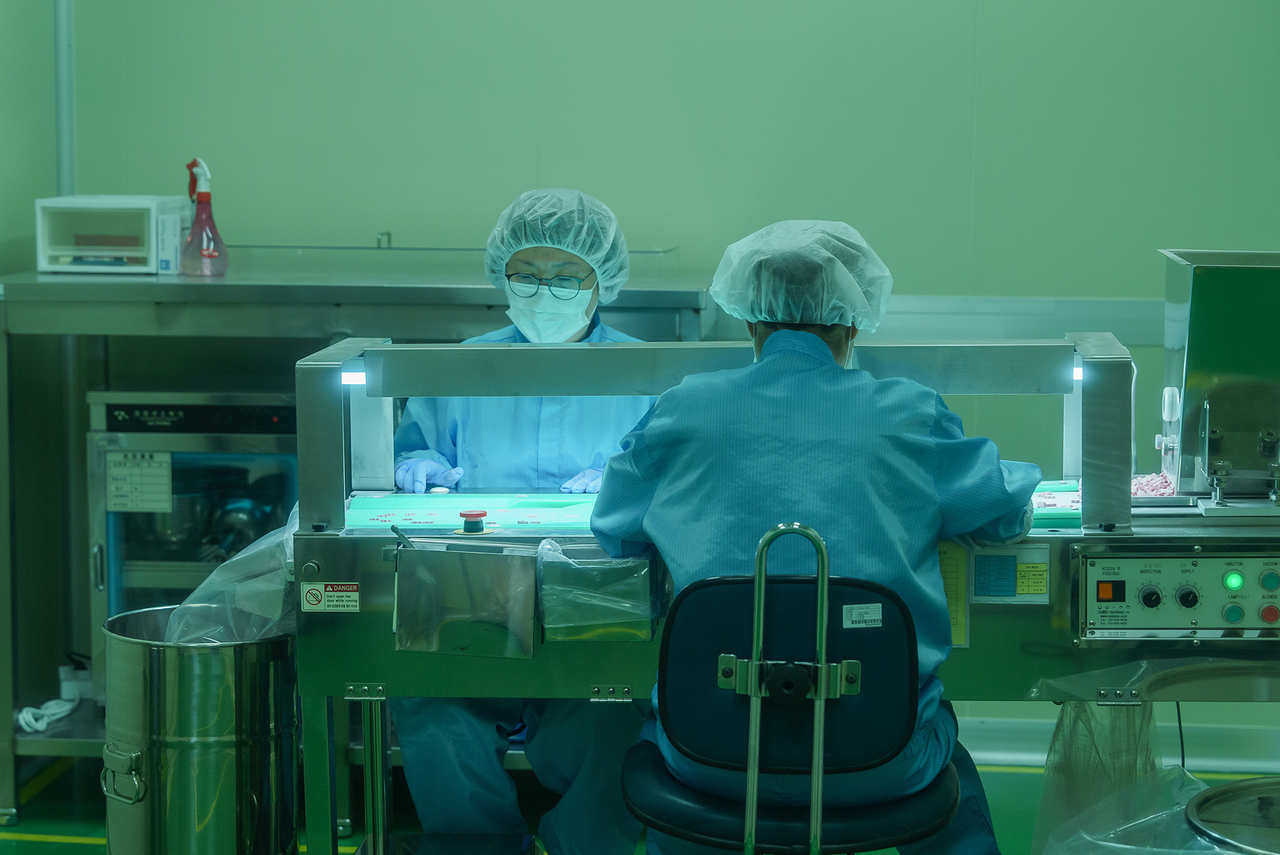
The finished-product factory, where formulation and packaging take place, is controlled as a positive-pressure cleanroom rated at ISO Class 8 or cleaner. Workers must pass through a relay differential-pressure chamber and an air shower before entering the production floor.
Along one side of the tablet line, an AI vision sorter — introduced seven years ago — scans hundreds of probiotic capsules per minute, detecting microscopic cracks and specks with close to 100 percent accuracy. Rather than standard plastic PTP blister packs, the line uses strip packaging with a special aluminum layer on both sides, keeping bacteria viable even in the hot, humid tropical climates of Southeast Asia and similar markets.
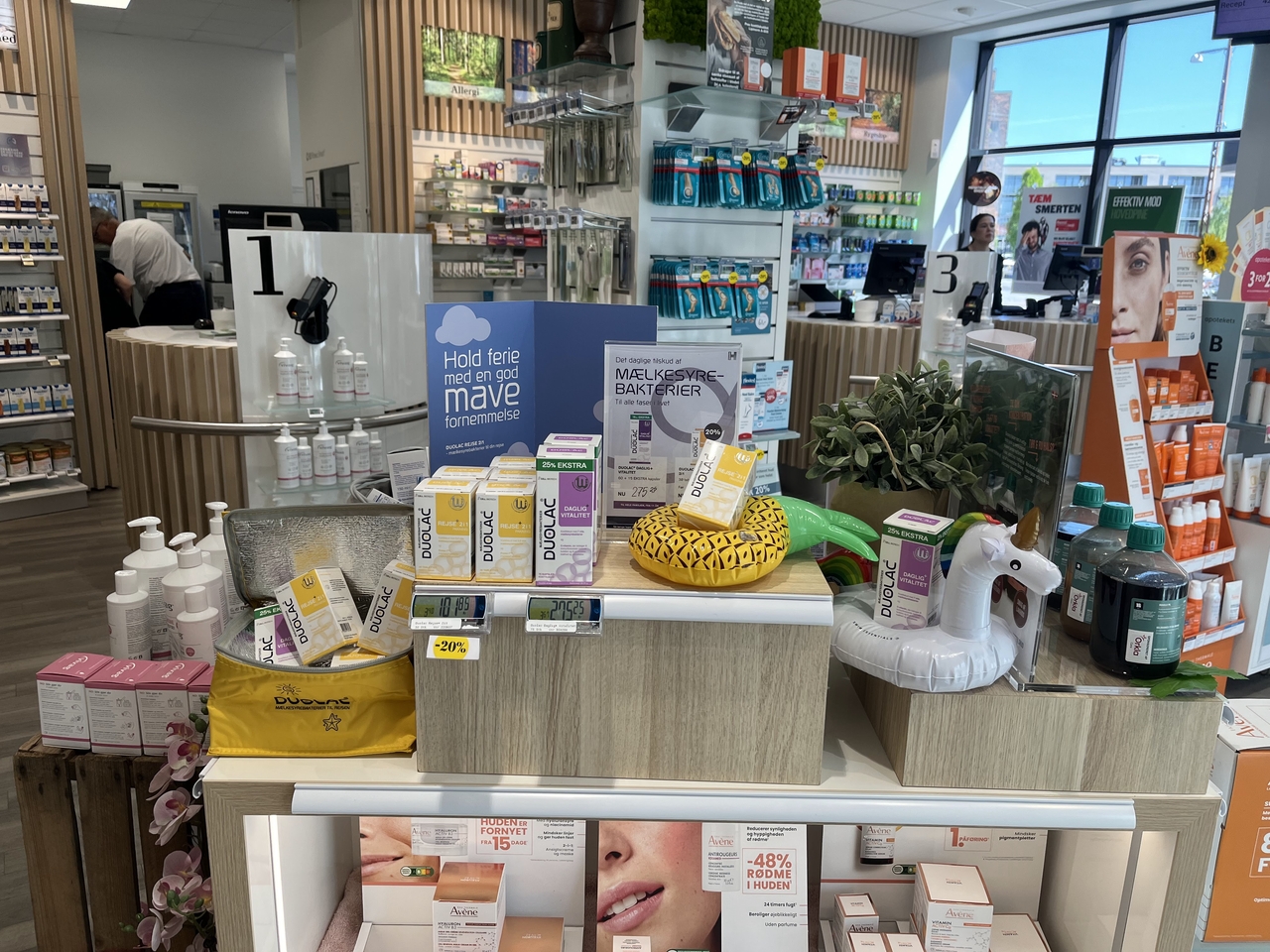
That production infrastructure has become the foundation of Cell Biotech's international push. In Denmark — home to global ingredient giants such as Chr. Hansen and long considered the birthplace of modern probiotics — Cell Biotech's Duolac brand held a 46.6 percent share of the local pharmacy market as of January this year, ranking first. A Korean biotech venture that once relied on imported probiotic ingredients had turned the tables, capturing the specialist pharmacy distribution network in the heart of Europe.
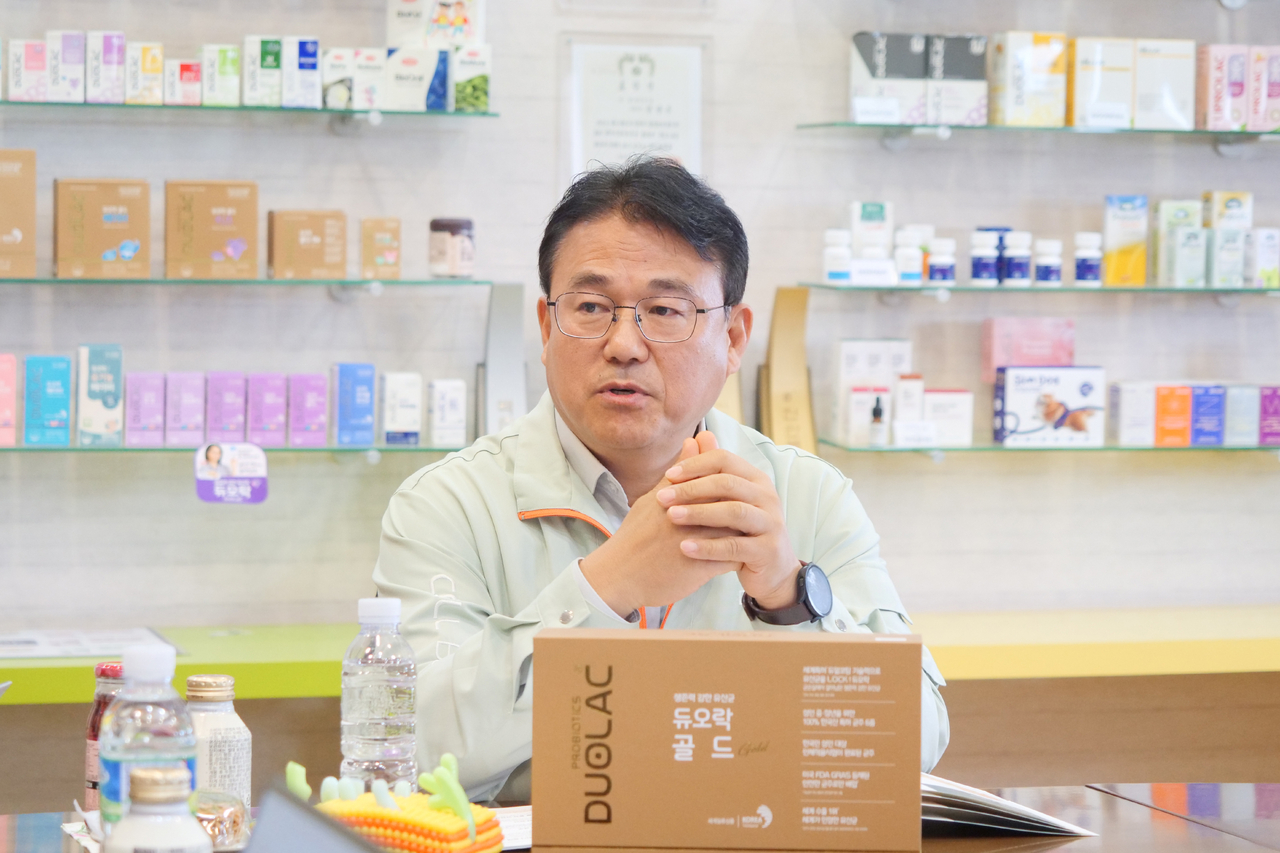
Lee Hyeon-yong, Cell Biotech's plant manager, said the vitality of Korean-origin strains gives the company an edge. "Koreans eat spicy, stimulating food, so our native strains have developed far greater resilience than Western strains by surviving in a harsh environment," Lee said. "Danish consumers tried our products themselves, experienced the intestinal delivery effect and the coating technology firsthand, and that is how we were able to break into the home market of probiotics."
Cell Biotech currently supplies probiotics to 56 countries under its Duolac brand, with overseas sales now accounting for more than 50 percent of total revenue. A leading German multinational healthcare brand also sources finished products from the Gimpo production line. To keep pace with growing global demand, the company is reviewing a range of options, including expanding its production facilities.
Beyond the traditional health supplement production wing, the company's next-generation growth engine — a microbiome-based biopharmaceutical line — stands ready for operation. A colorectal cancer drug candidate, PP-P8, engineered to secrete therapeutic proteins directly in the intestine using gene-editing technology, is advancing through a Phase 1 trial with Seoul National University Hospital, with researchers expecting positive results.
Cell Biotech, a Korean probiotic production base that started three decades ago in a makeshift building in a rural valley, is now positioning itself for a leap into a global biopharmaceutical hub.
silverpaper@heraldcorp.com