Samsung SDI from Europe, LG Energy Solution from US
Deliveries to begin 2028–2029; contract value undisclosed
BMW adds one supplier to existing Chinese partners to diversify supply chain
Next-gen cylindrical battery offers more than 20% improvement in energy density
Samsung SDI and LG Energy Solution have both been selected as cell suppliers for BMW Group's next-generation electric vehicle batteries. Samsung SDI will produce battery cells at its European factory, while LG Energy Solution will supply cells from its US facilities. The contracts mark an expansion by both Korean battery makers into BMW's European and North American supply chains as the German automaker diversifies its procurement.
BMW Group announced Monday (local time) that it had chosen Samsung SDI and LG Energy Solution as new cell suppliers for its sixth-generation battery.
Under the agreements, Samsung SDI will supply cells produced in Europe and LG Energy Solution will supply cells made in the United States. Deliveries are set to begin between 2028 and 2029; specific volumes and contract values were not disclosed.
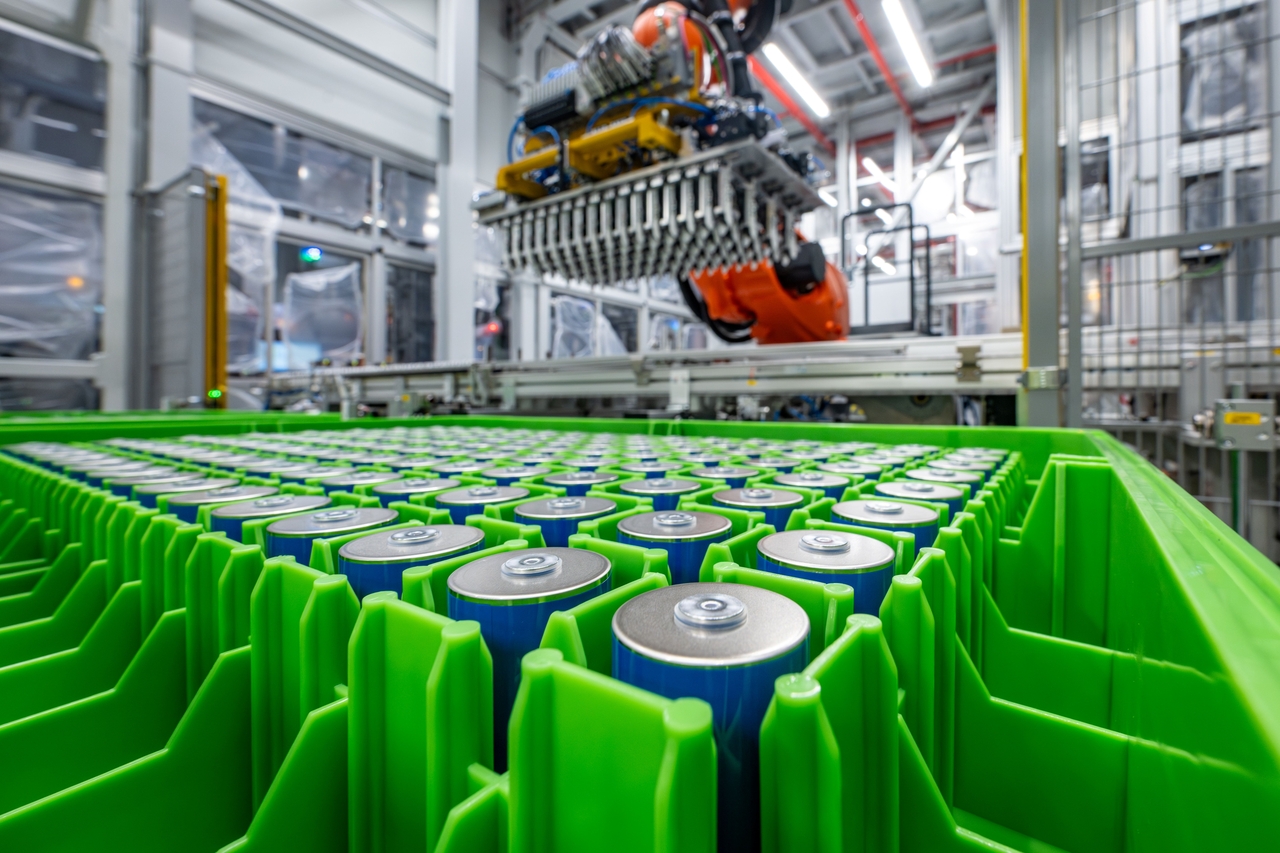
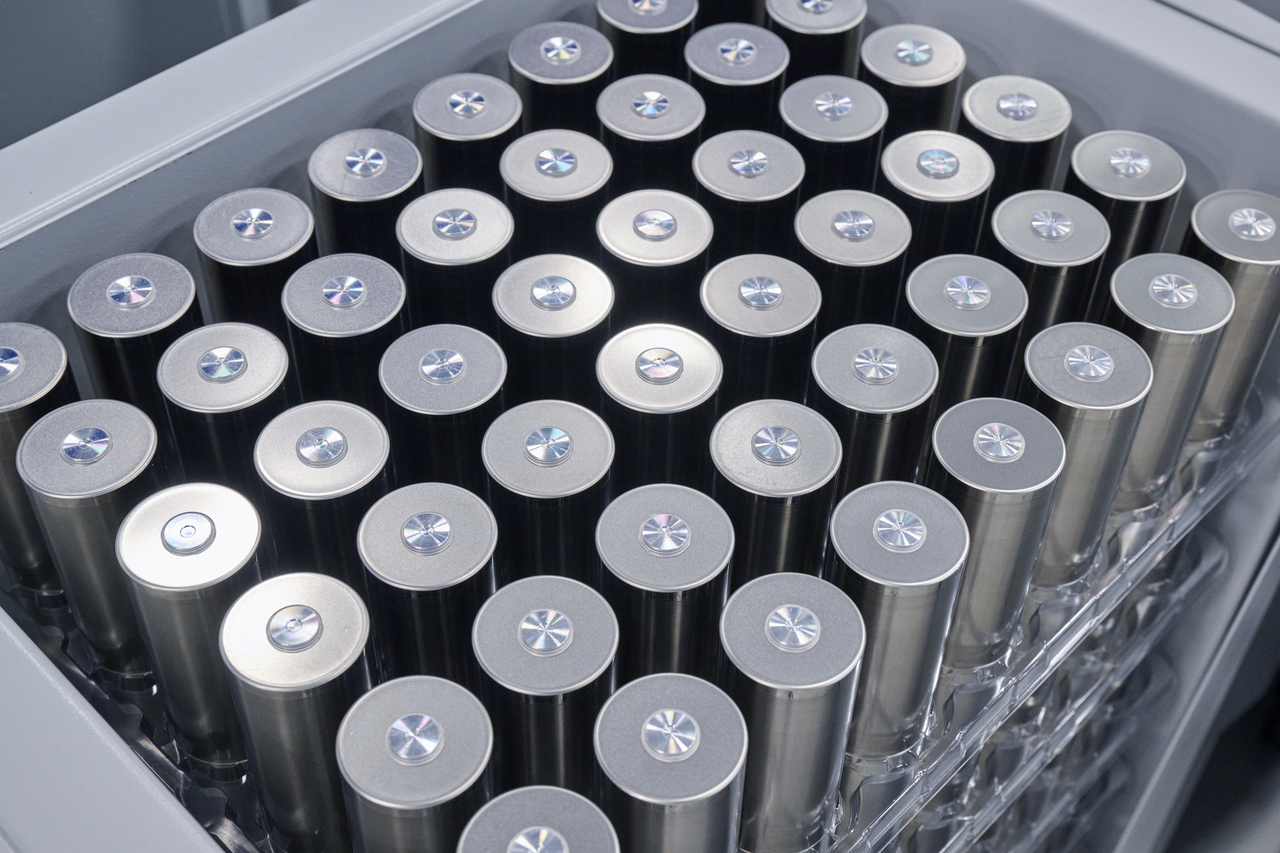
Both companies will draw on production facilities they have already established in their respective regions. Samsung SDI operates a European battery manufacturing hub in Hungary, where it is also building a production line for 46-millimeter-diameter cylindrical cells targeting mass production in 2028. LG Energy Solution runs battery factories in Holland and Lansing, Michigan, and is preparing to produce 46-series cylindrical cells at a facility in Arizona.
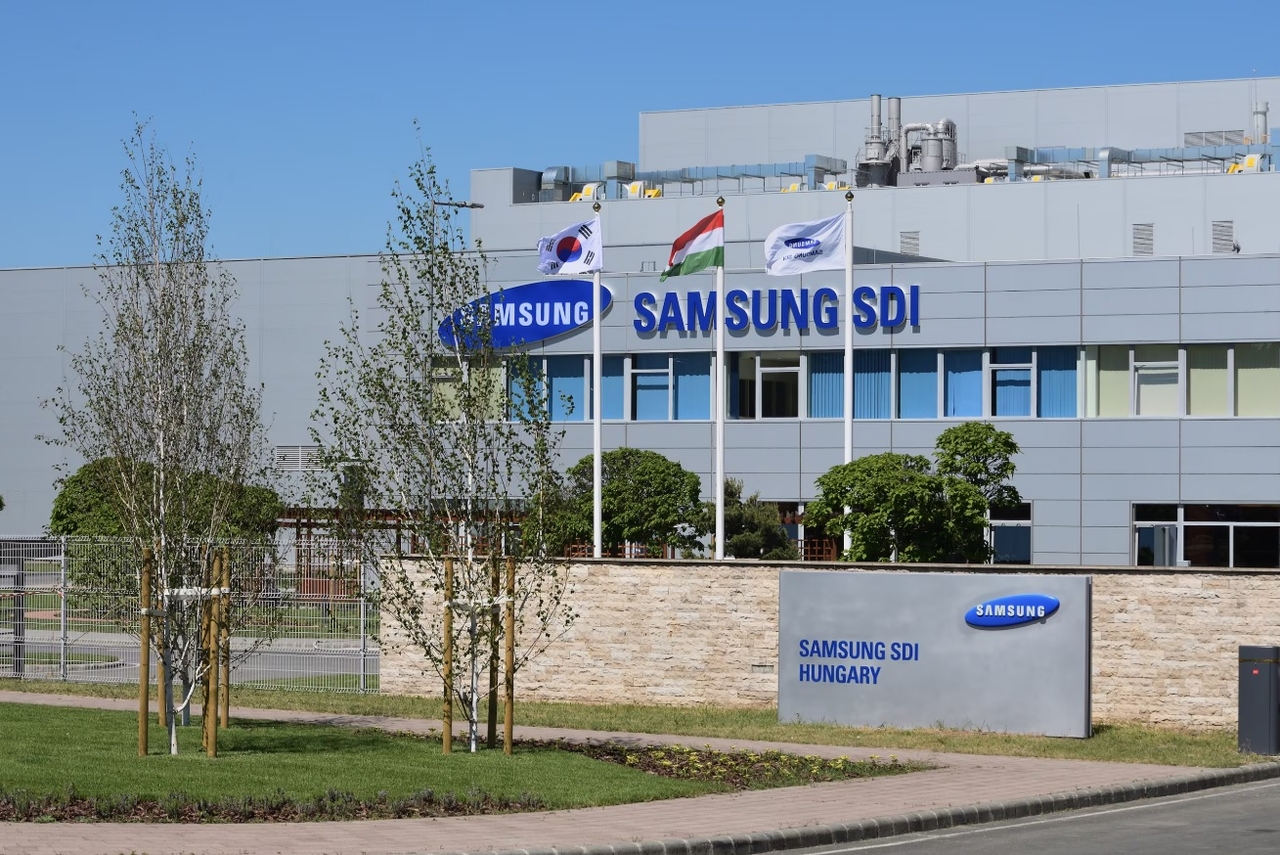
With the new contracts, BMW has expanded its European battery cell supplier base from two Chinese companies — CATL and EV Energy — to three, adding Samsung SDI. In the United States, it has brought on LG Energy Solution as a new supplier.
For Samsung SDI, the deal extends a long-standing partnership with BMW into the next-generation battery era. The two companies signed a cell supply agreement in 2019 covering BMW's fifth-generation electric vehicle technology, a contract valued at 2.9 billion euros ($3.23 billion) with deliveries running from 2021 through 2031.
Samsung SDI also signed a three-way agreement with BMW and US solid-state battery company Solid Power in October last year to validate solid-state battery technology, extending their collaboration beyond conventional lithium-ion cells into next-generation battery development.
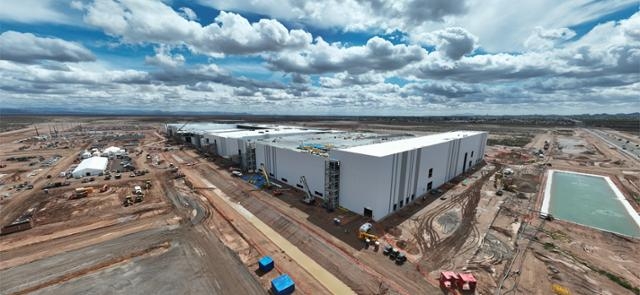
LG Energy Solution has been named a BMW supplier for pure electric vehicles for the first time. The company had previously supplied batteries for BMW's mild-hybrid models but had not provided cells for fully electric vehicles. The new contract allows LG Energy Solution to expand its customer base in North America by supplying BMW with cells produced at its US factories.
The sixth-generation cells will be installed in vehicles built on BMW's next-generation electric vehicle platform, known as the Neue Klasse.
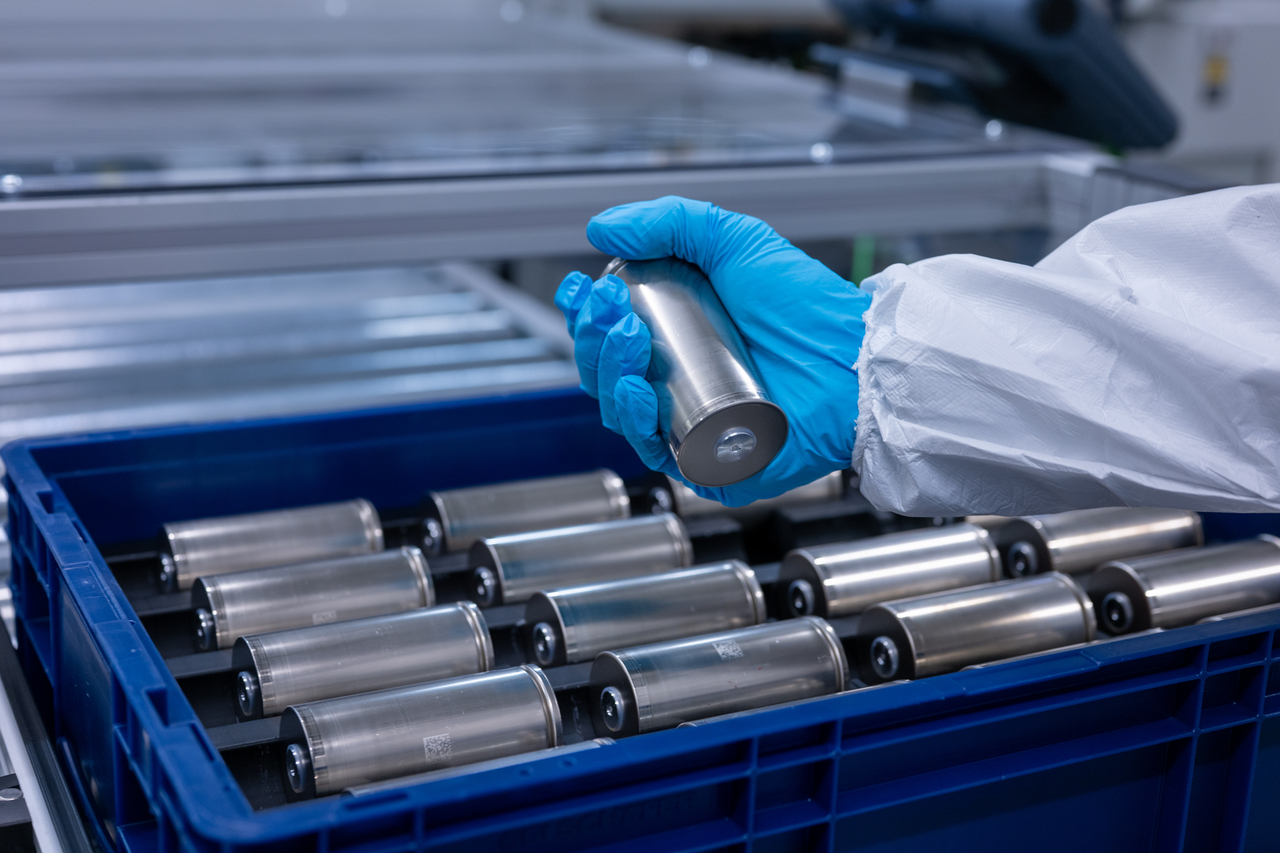
BMW has moved from the prismatic cells used in its fifth-generation battery to 46-millimeter cylindrical cells for the sixth generation. The new cylindrical cells offer more than 20% higher energy density than the previous generation, enabling improvements of up to 30% in charging speed and driving range.
BMW is also applying cell-to-pack technology, integrating cells directly into the battery pack without separate modules.
The addition of two Korean battery suppliers reflects BMW's "local for local" strategy of sourcing batteries close to its vehicle assembly plants to reduce logistics costs and supply chain risk.
The EU's Industrial Acceleration Act, currently being advanced by the European Commission, is also cited as a policy factor shaping the push toward localized supply chains. The legislation aims to strengthen the competitiveness of European manufacturing by encouraging the use of European-made components in strategic industries such as electric vehicles and batteries, and by linking domestic production requirements to public procurement and subsidy programs.
BMW has established sixth-generation high-voltage battery assembly sites in five locations: Irlbach-Straßkirchen in Germany, Debrecen in Hungary, Shenyang in China, Woodruff in the United States, and San Luis Potosí in Mexico. Cells produced by battery manufacturers are shipped to these regional assembly facilities, where they are made into battery packs for the company's vehicle production plants.
BMW also plans to accelerate the discontinuation of some existing models as demand grows for its next-generation Neue Klasse electric vehicles. BMW Group CEO Milan Nedeljković, speaking at the third-quarter earnings presentation Wednesday, said the company had "picked up the pace of ramping up production of electric vehicles equipped with sixth-generation batteries this year," adding that this had made it possible to retire some fifth-generation battery models earlier than originally planned.
Nicolai Martin, BMW Group's board member responsible for purchasing, said procurement diversification is "a core element of BMW Group's purchasing strategy" and that the company is "actively strengthening value creation in Europe and the United States through battery cell partnerships."

kwater@heraldcorp.com