Snow-removal headquarters to operate from Nov. 15 through March 15, 2027, focusing on three priority areas: eliminating blind spots, resident cooperation and equipment expansion. Lightweight 3-kilogram de-icer supply doubled from 10,000 to 20,000 bags, a resident snow-removal team launched, and two new automatic road heating systems installed to strengthen on-site response.
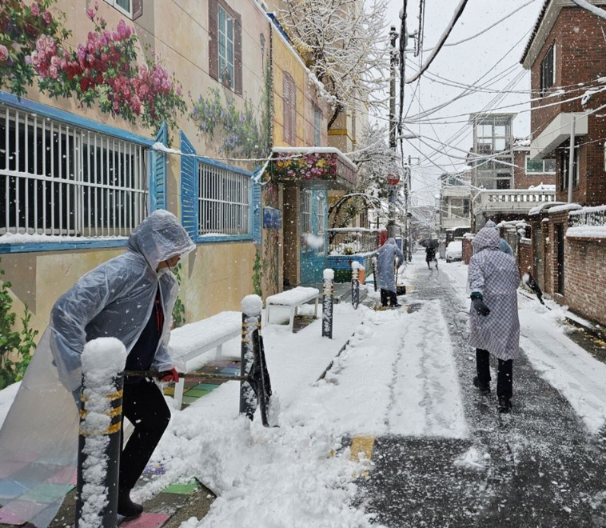
Dongjak-gu will launch a comprehensive snow-removal plan this winter to ensure safe road conditions across the district in response to snowfall and heavy snow events.
Under the goal of "building a safe Dongjak-gu through proactive snow removal," the district will operate a snow-removal headquarters for four months, from Nov. 15 through March 15, 2027.
The plan focuses on three areas: rapid snow removal with no blind spots, resident cooperation and equipment expansion.
Under the first area — rapid snow removal with no blind spots — the district will monitor weather conditions around the clock and keep constant watch over its snow-removal systems, including 76 automatic road heating units and 20 automatic brine-spraying devices. Dedicated snow-removal teams will be deployed at 131 central and arterial bus stops to support swift clearing operations.
Particularly in light of last year's heavy snowfall during evening rush hours, which delayed removal work, the district will form emergency deployment units capable of sending up to 10 additional workers to clear roadways when snow-removal vehicles cannot gain access.
In addition, the district will newly establish a dedicated professional service team to manage snow-removal supply boxes, ensuring de-icing agents can be quickly replenished at zone-specific boxes when snow falls.
In the resident cooperation area, the district will operate a "resident snow-removal responsibility team" made up of staff from 15 dong community centers and neighborhood association heads. The team plans to share real-time updates on snow-removal progress via KakaoTalk and respond swiftly as snowfall conditions change.
The supply of lightweight 3-kilogram de-icer bags — which drew strong resident support last year for their ease of carrying and spreading — will be doubled from 10,000 to 20,000 bags this year. The bags will be distributed to dong community centers and stocked in de-icing supply boxes along arterial and side roads so any resident can use them wherever needed.
On equipment expansion and on-site response, the district will attach small de-icer spreaders to administrative vehicles at dong community centers to improve coverage of snow-prone sections such as alleyways.
Automatic road heating systems totaling 280 meters in length will also be newly installed at two locations — Dongjak-daero 39ga-gil and the road in front of Sindong Sinjeung Middle School — to create safer road conditions at chronically icy stretches.
The fleet of highly maneuverable cart-type spreaders will grow from 126 to 146 units, while self-propelled snow removers will increase from 21 to 31, enabling rapid snow-clearing suited to varying on-site conditions.
The district conducted a joint preparedness simulation exercise with the Seoul Metropolitan Government and all 25 autonomous districts on Thursday, and ran one-on-one customized snow-removal education sessions for dong community center staff from Wednesday through Thursday. Through these efforts, the district aims to strengthen field response capabilities during actual snowfall and build a seamless snow-removal system.
"Sudden snowfall in winter has a significant impact on residents' daily lives, so thorough advance preparation and rapid on-site response are essential," Dongjak-gu District Mayor Ryu Sam-young said. "We will carefully check snow-prone areas, expand equipment and personnel, and work closely with residents to minimize winter travel disruptions."
seouldream01@heraldcorp.com