Bill eases lease and farmland bank requirements, allows retroactive permits for unauthorized structures
Speculative farmland acquisitions excluded from relief; public hearings to run across 9 provinces from Wednesday
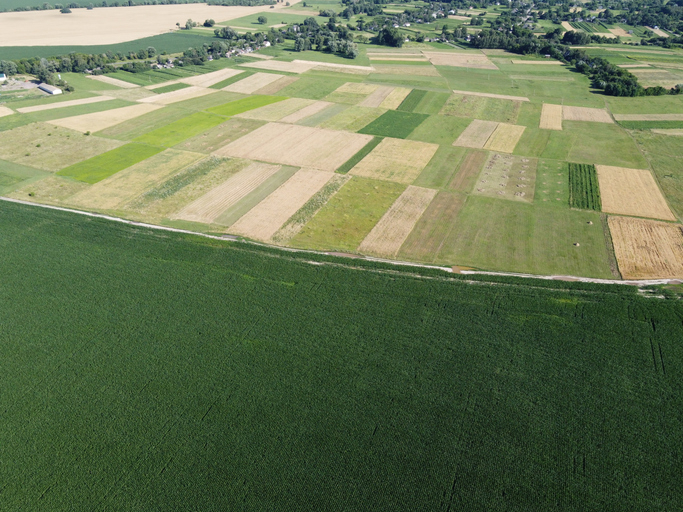
South Korea is pushing to enact special legislation to resolve longstanding discrepancies between the actual use of farmland and its legal status — including widespread informal lease arrangements and unauthorized structures built on agricultural land. The proposed bill would temporarily suspend enforcement orders for farmland ownership and use violations and allow retroactive permit applications for existing unauthorized structures.
The Ministry of Agriculture, Food and Rural Affairs said Tuesday it will hold 10 public information sessions across nine provinces and metropolitan regions from Wednesday through Nov. 19 to explain the key provisions of the Special Measures Act on the Arrangement of Certain Farmland, which was introduced in the National Assembly on Oct. 30, and to gather input from the field.
The bill was drafted to address mismatches between actual farmland use and legal or cadastral records uncovered during a nationwide farmland survey. Its core aim is to resolve problems that have accumulated in agricultural communities — including customary informal leases, fallow land and unlicensed structures — through a time-limited special exemption regime, while supporting farmers in stable agricultural activities.
The bill includes a temporary suspension of enforcement orders for farmland ownership and use violations. It also eases the requirements for farmland lease arrangements and entrustment to the farmland bank. Existing unauthorized conversion structures would be allowed to apply retroactively for farmland conversion permits, and the bill proposes exempting agriculture- and rural-related facilities from farmland conservation charges.
The legislation also includes provisions to update land category designations and cadastral records to reflect actual use. Farmland acquired for speculative purposes and cases involving serious damage to the agricultural environment, however, would be excluded from the special exemptions.
The ministry will hold sessions beginning in North Chungcheong Province, followed by South Chungcheong Province, Gangwon Province, North Gyeongsang Province, North Jeolla Province, Gyeonggi Province, South Jeolla Province, Jeju and South Gyeongsang Province. Participants are expected to include officials from local governments, the National Agricultural Products Quality Management Service and the Korea Rural Community Corporation, as well as regional farmers' organizations and community leaders.
At each session, the ministry will present the bill's main provisions and policy direction and hold a question-and-answer segment. Feedback gathered from the sessions will be used to improve the bill's practicality and public acceptance during the National Assembly's legislative deliberations.
Vice Minister of Agriculture, Food and Rural Affairs Kim Jong-gu said the bill "is intended to reflect the realities of the agricultural sector and enable farmers to engage in stable farming activities." "Through these sessions, we will listen more closely to voices from the field and actively work with the National Assembly to put in place a system that farmers can genuinely feel the benefits of, based on broad public consensus," Kim said.
adastra@heraldcorp.com