- NST moves to overhaul research system following abolition of PBS
- 23 institutes to integrate AI and data resources under new 'Science AI-OS' platform
South Korea's government-funded science and technology research institutes are set to shift away from competing for individual research grants and instead concentrate their capabilities on securing strategic technologies and fulfilling national missions.
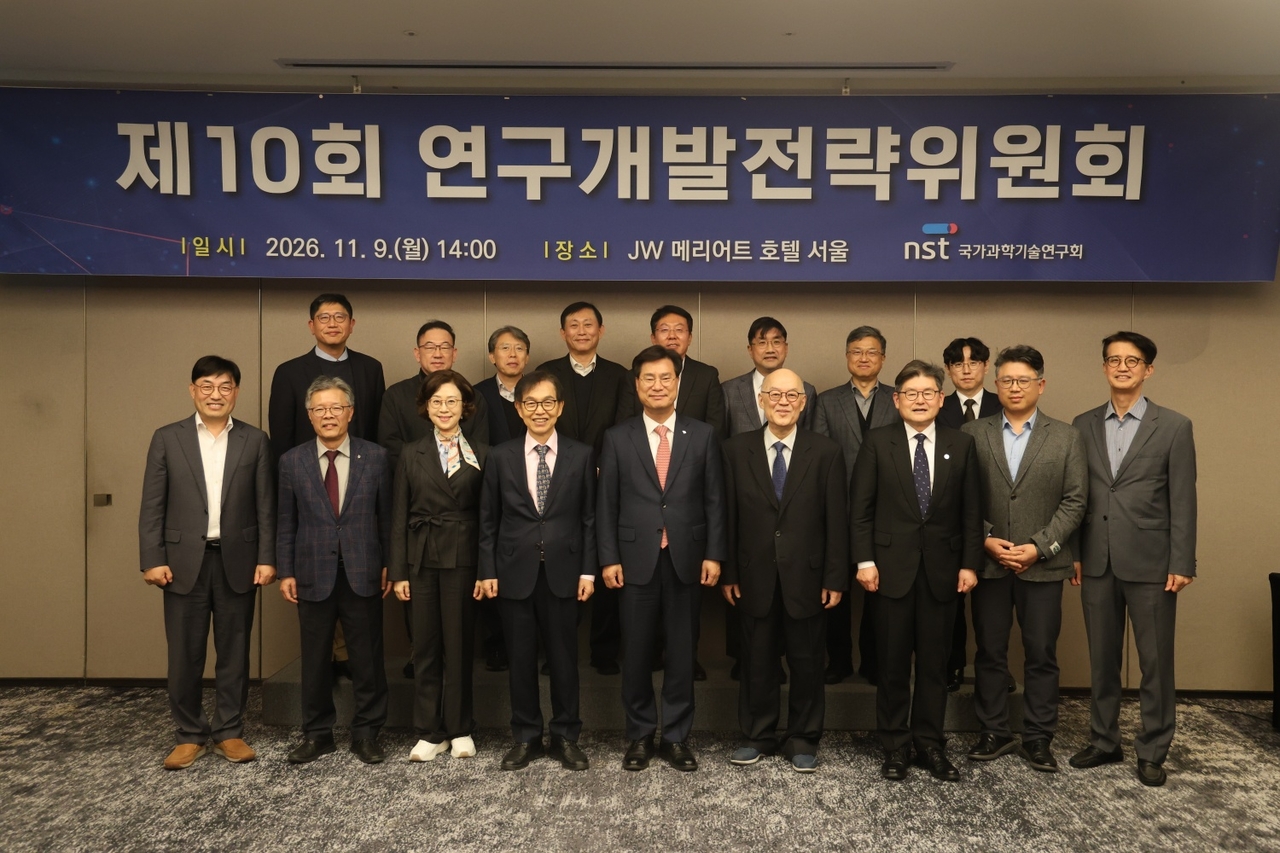
The National Research Council of Science and Technology (NST) said Tuesday it held the 10th R&D Strategy Committee meeting at the JW Marriott Hotel in Seoul on Monday to discuss how to restructure the research system at government-funded institutes following the abolition of the project-based system (PBS).
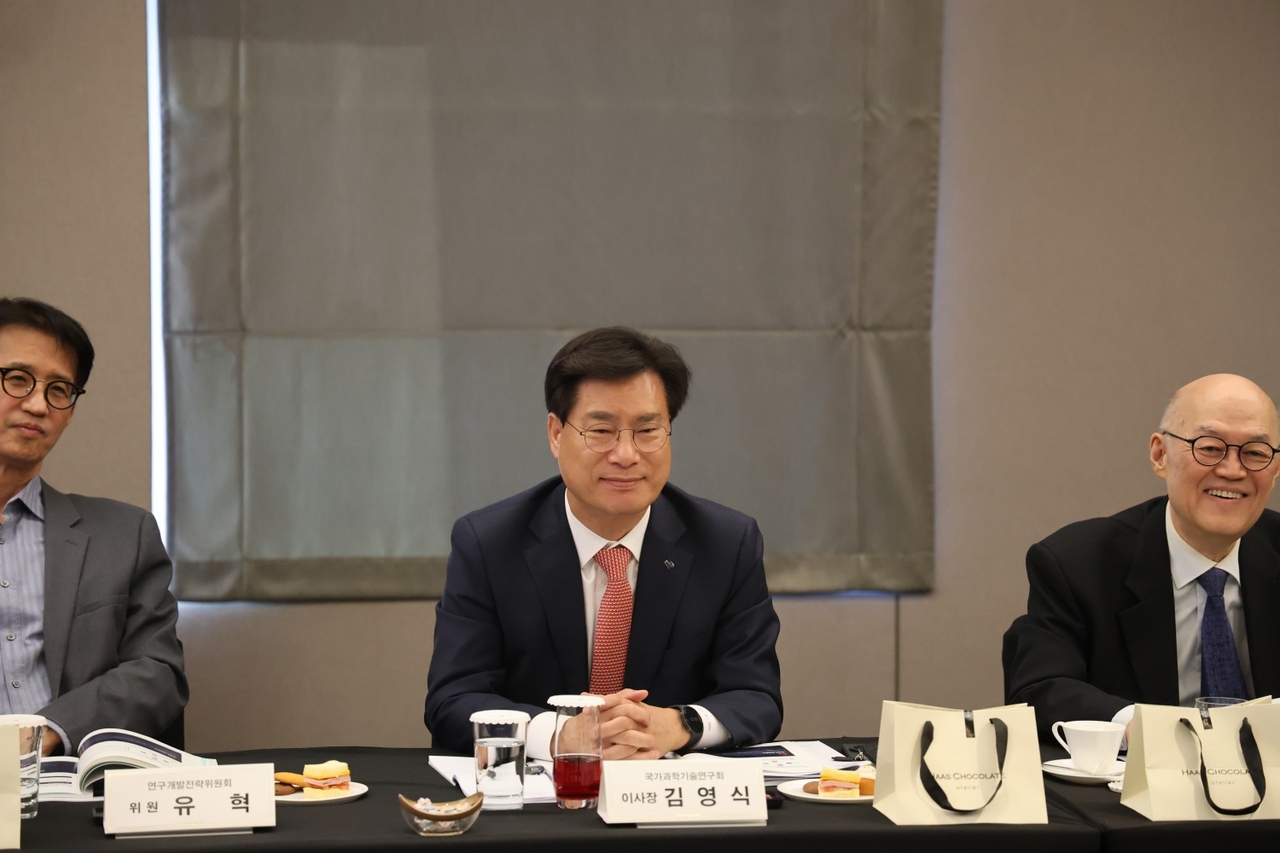
The R&D Strategy Committee is a statutory body that advises on research planning and inter-agency collaborative research at government-funded institutes. About 20 people attended the meeting, including committee chair Lee Gwang-hyeong, NST President Kim Young-sik and research strategy chief Min Byeong-gwon.
The central issue at the meeting was the fundamental transformation of the research system at government-funded institutes following the PBS abolition.
NST presented the direction for its "strategic research program" — a Korean-style mission-oriented R&D initiative — under the theme "Post-PBS: The Future of the Research System at Government-Funded Institutes."
Under the old PBS regime, researchers at government-funded institutes had to focus on securing individual project contracts to obtain funding. NST plans to use the abolition of PBS and the restructuring of the fiscal and project framework as an opportunity to channel the institutes' research capabilities toward solving national challenges and securing strategic technologies. The agency intends to develop the strategic research program into South Korea's flagship mission-oriented research system.
The push to transform scientific research through AI is also gaining momentum.
Yoo Yong-gyun, director of the National AI for Science Research Center (NAIS), said the center plans to launch "Science AI-OS" in December — a platform that consolidates the computing and data resources held by all 23 government-funded institutes.
Science AI-OS is designed as a shared research infrastructure for both researchers and AI systems. The goal is to build an environment accessible to 16,000 researchers across the institutes by 2030, supporting AI-driven innovation in scientific research.
The meeting also addressed strategies for maintaining technological leadership in future defense and AI semiconductor sectors.
Seoul National University Professor Seo Seung-woo outlined the core technologies needed to build a future combined manned-unmanned defense system centered on unmanned ground vehicles (UGVs), along with proposals for domestic application. Seo said UGVs are emerging as the next key technology in military unmanned systems, following drones.
Sungkyunkwan University Professor Kwon Seok-jun said innovation is needed to resolve memory bottlenecks in the age of AI inference. Kwon particularly highlighted the development of specialized memory chips optimized for AI computing and the transition to a "memory foundry" model — producing memory chips tailored to customer demand — as priority tasks.
"The R&D Strategy Committee is a reliable compass that helps us think together about the direction government-funded R&D should take," NST President Kim Young-sik said. "We will incorporate the committee members' insights into advancing the strategic research program and building a collaborative framework among the institutes, translating them into tangible national R&D outcomes."
nbgkoo@heraldcorp.com