CJ CheilJedang's Sobaba brand accused of mimicking franchise menus
'Ppurizling' draws comparisons to bhc's signature 'Ppuringkle'
Industry groups weigh legal action against the food giant
Amid a string of disputes in the food industry over product names and concepts, chicken franchise chains are pushing back against CJ CheilJedang, accusing the company's frozen chicken brand Sobaba of copying their signature menu items. Some franchises are now considering legal action.
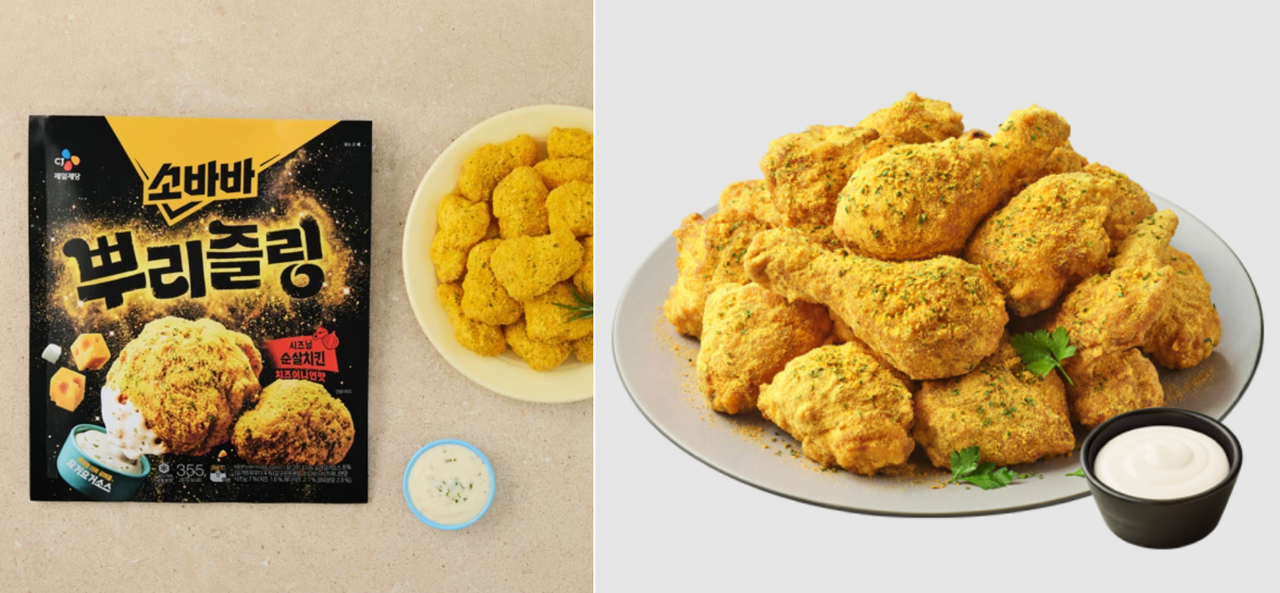
According to retail industry sources Tuesday, CJ CheilJedang launched Ppurizling — a boneless chicken product seasoned with cheese-onion flavoring and sauce — in October. The launch came as CJ CheilJedang has been expanding its product lineup since spinning off its frozen chicken line "Gourmet Sobaba Chicken" into the standalone Sobaba brand in June. Sobaba has surpassed 250 billion won ($184 million) in cumulative sales and 25 million units sold as of the first quarter of this year.
Franchise chains have raised concerns that several Sobaba products bear a striking resemblance to their own flagship offerings. Ppurizling, released in October, draws comparisons to bhc's signature item Ppuringkle — the two names share a similar "ppuri"/"ppuring" sound, and both products use a cheese-onion seasoning paired with a yogurt-based sauce. bhc's franchisees are said to have brought the issue to the company's headquarters first.
Other products have drawn similar scrutiny. Sobaba's "Gochu Basakbasak Chicken" shares a name and concept with Goobne Chicken's signature "Gochu Basasak." "Hwanggeum Hollic," released in late March, resembles BBQ's "Hwanggeum Olive Chicken," while "Jamaica Style Chicken" echoes BBQ's "Jamaica Tongdari Gui."
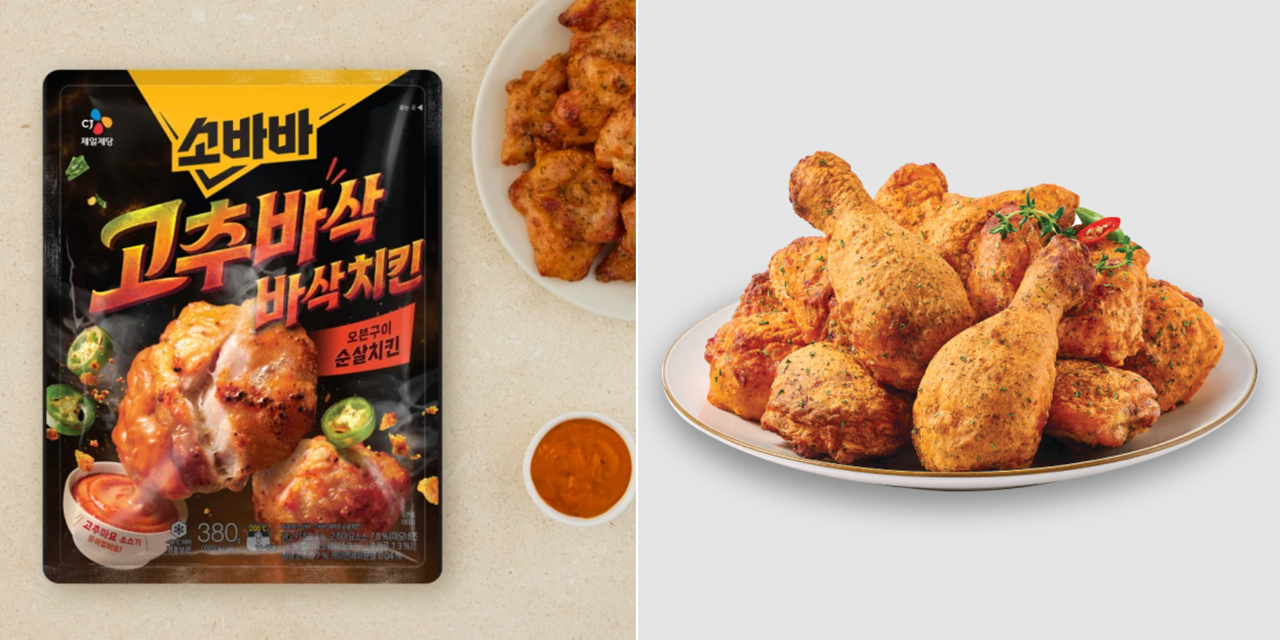
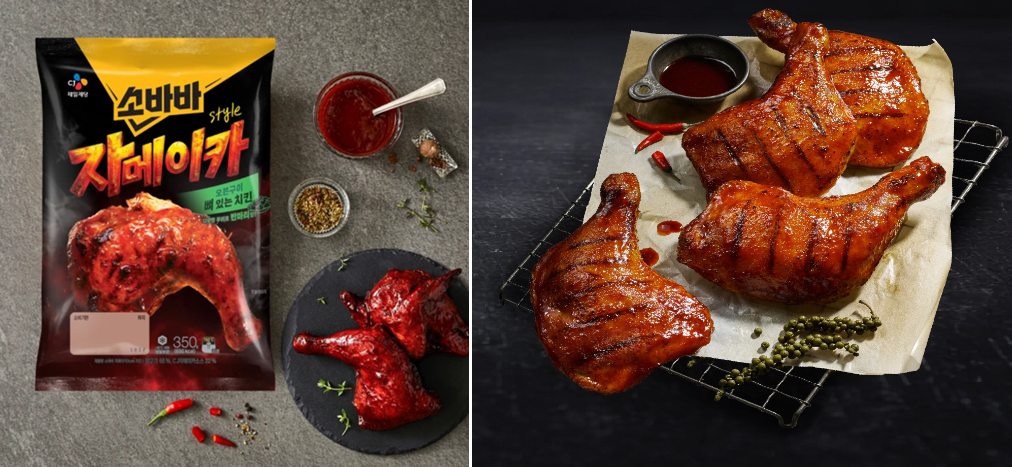
Franchise operators argue that the similarities go beyond names to encompass overall product concepts, creating potential confusion among consumers. Some have warned of a direct hit to franchisee sales. Posts on blogs and other SNS platforms have appeared from consumers saying they bought Sobaba products precisely because they resembled franchise offerings.
Some in the industry have raised the possibility of legal action. A franchise industry official who requested anonymity said it was problematic for a large conglomerate to copy brands that small and mid-sized franchises had built up over years, hiding behind the excuse of industry convention. "If this continues, we plan to consider both civil and criminal measures," the official said.
Another chicken franchise official said the company had investigated whether sales had actually taken a hit since the similar products appeared. "There may be no immediate legal problem, but there is room for consumer confusion," the official said.
The Korea Franchise Industry Association said it is also looking into the matter and weighing a response. The association views large conglomerates' use of franchise brand recognition as problematic. "This is a case of riding on the coattails of brands that franchise headquarters and their franchisees have built trust around over a long period of time," an association official said, adding that the group is reviewing the situation and considering issuing a formal position. The official warned that if ready-to-meal products closely resembling established franchise items continue to spread — driven largely by major conglomerates — franchise operators in the dining sector will face even greater hardship.
CJ CheilJedang maintains that its approach reflects standard product development practice in the food industry, saying Sobaba products recreate the taste and texture of familiar chicken dishes through the company's own technology. "In the processed food category, recreating at home what people enjoy at restaurants in a convenient form is the industry's standard approach to product development," a company official said. "Sobaba was developed and introduced with exactly that in mind."
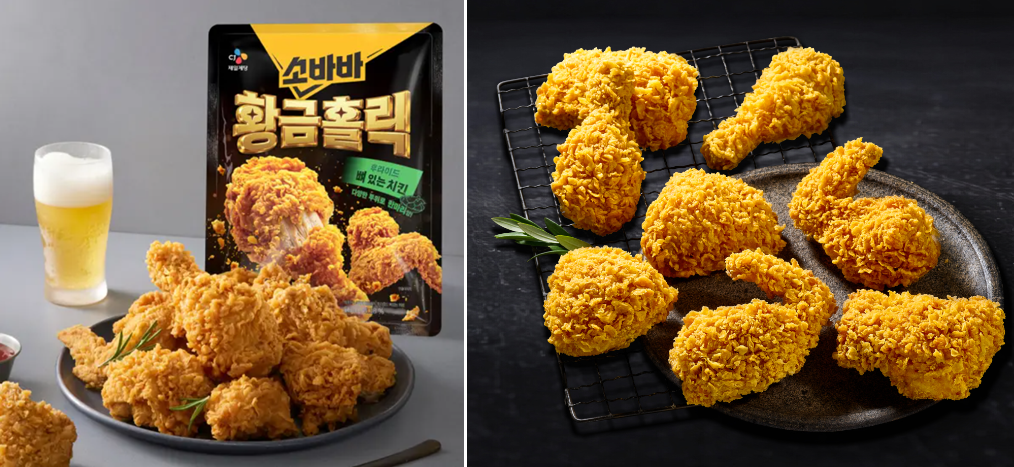
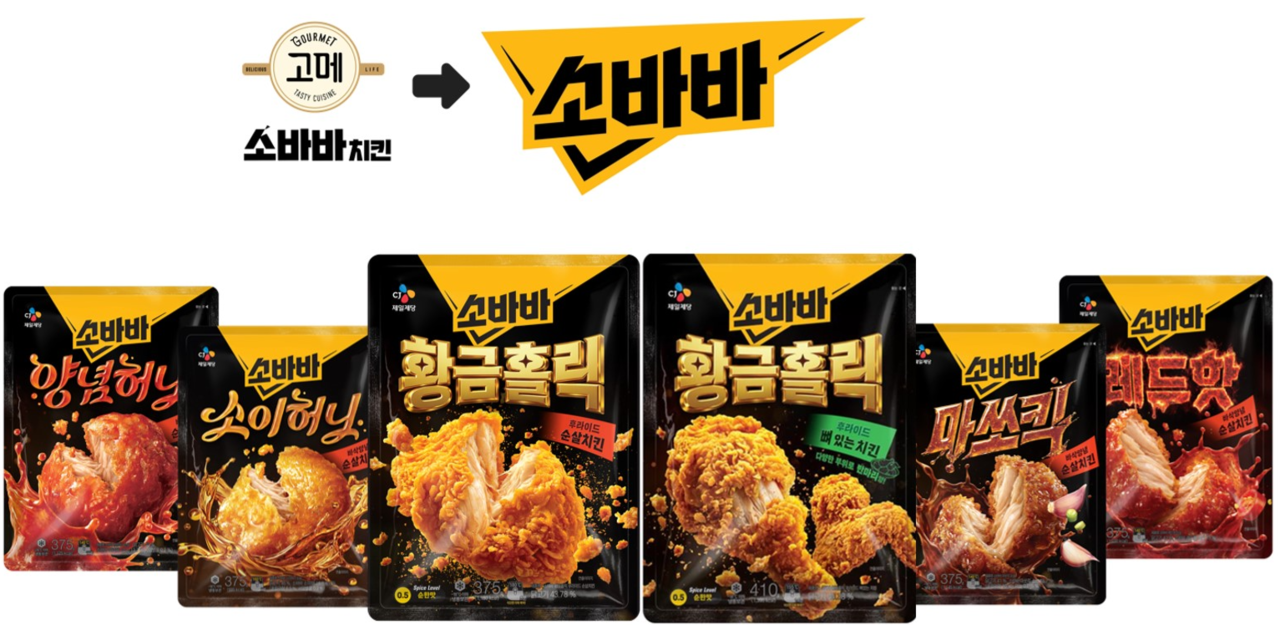
The official went on to say that "Sobaba is a product developed through our own technology to replicate the key characteristics — taste, texture and more — of chicken that consumers love and find familiar," adding that "franchise chicken and frozen processed chicken serve different consumer markets and reach consumers through different touchpoints." On questions about product names and concepts, the official said the company "reviews related risks through pre-launch legal screening."
Disputes over product name and design similarities are not new to the food industry. In October, controversy erupted over Harim Group's overseas export ramyun brand "BUL SAUCE," which critics said resembled Samyang Foods' "BULDAK" in both name and packaging design.
Legal battles have followed a similar pattern. Binggrae filed suit against Seoju's "Meronba" ice cream bar, alleging its packaging was too similar to Binggrae's own "Melona." Seoju won at the first trial in 2024. In August last year, however, an appeals court ruled in Binggrae's favor, recognizing the distinctiveness of Melona's packaging and the likelihood of consumer confusion. Seoju has since appealed, and the case is now before the Supreme Court.
Lee Jong-woo, a professor in the department of retail marketing at Namseoul University, said copying products that smaller companies have created and popularized "is not a desirable strategy in itself," and called on companies to "actively invest in researching their own original products and lead the market."

korean@heraldcorp.com