Battery materials factory completed at Onsan, Ulsan
Annual nickel sulfate capacity of 24,000 tons secured
Spent battery recycling to supply precursor materials
New vision 'RISE beyond 100' unveiled
LS MnM, marking its 90th anniversary this year, has completed a battery materials factory built with an investment of 670 billion won ($494 million), as the company moves to expand into new businesses. The copper smelter plans to add electric vehicle battery materials and spent battery recycling to its core operations as new growth engines.
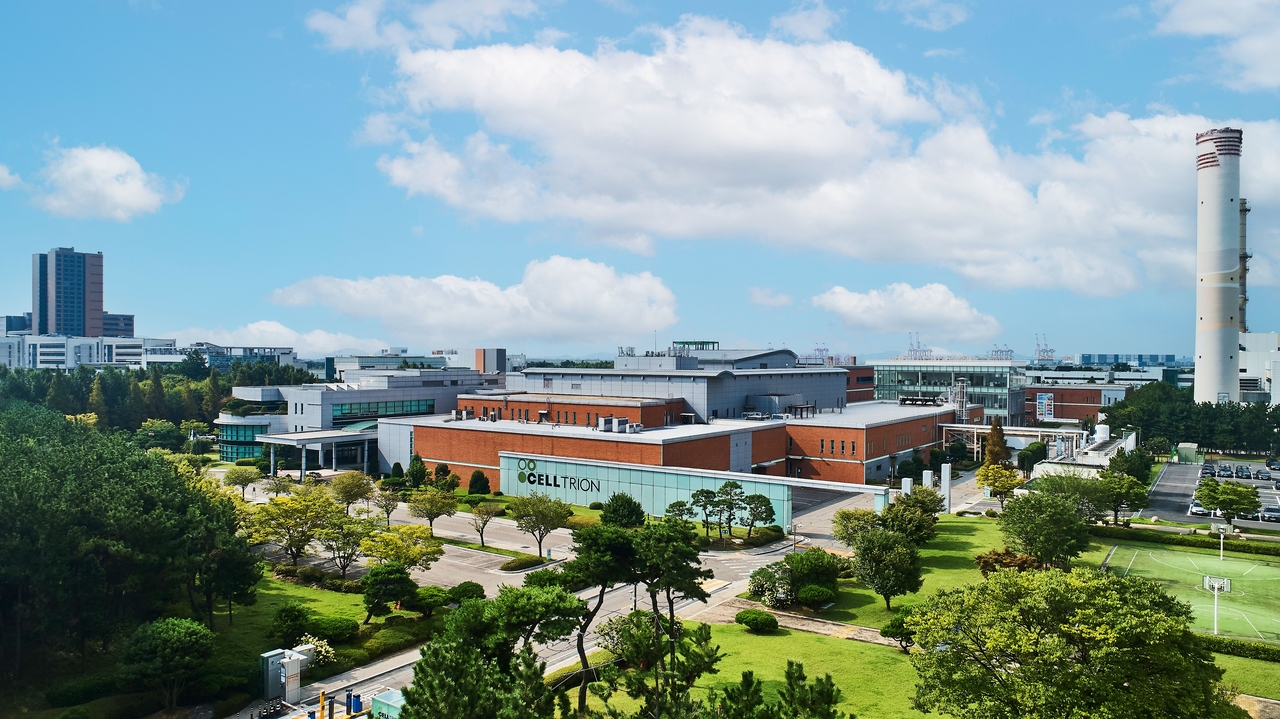
LS MnM held its 90th anniversary ceremony and the completion ceremony for the battery materials factory at its Onsan Smelter in Ulju-gun, Ulsan, on Tuesday.
The event drew about 150 attendees, including LS Group Chairman Koo Ja-eun, LS MnM Board Chairman Koo Ja-gyun, LS MnM CEO Koo Dong-hwi, Ulsan Mayor Kim Sang-uk, National Assembly member Seo Beom-su, Ulju-gun County Chief Lee Sun-geol, and industry officials.
The newly completed Onsan battery materials factory sits on a roughly 95,000-square-meter site. LS MnM approved the investment in 2023, with a stated investment of 670 billion won.
The factory has an annual nickel sulfate production capacity of 24,000 tons of nickel metal content — enough to supply about 500,000 electric vehicles. That exceeds the original target of 22,000 tons by 2,000 tons.
A key feature of the Onsan factory is its ability to process two different types of raw materials within a single facility.
It handles both mixed hydroxide precipitate, an intermediate product derived from nickel ore, and black mass recovered from spent batteries.
Black mass is a dark powder obtained by crushing and sorting used batteries; it contains key metals including nickel, cobalt and lithium. Refining it back into battery raw materials reduces dependence on newly mined minerals.
LS MnM plans to process these inputs into materials needed for precursor manufacturing, including nickel sulfate, cobalt sulfate and manganese sulfate. Lithium contained in the black mass will also be recovered and converted into lithium hydroxide, a cathode material feedstock.
The resulting materials are to be supplied to precursor manufacturers, including LS-L&F Battery Solution (LLBS), a joint venture established by LS Group and L&F.
Precursors are a critical intermediate material in cathode production. Under the arrangement, LS MnM supplies metal materials such as nickel sulfate to LLBS, which processes them into precursors, while L&F produces the cathode materials.
LLBS earlier completed a precursor factory at Saemangeum in Gunsan, North Jeolla Province, in September last year. With the Onsan battery materials factory now also finished, LS Group's push to build an integrated battery materials supply chain is gaining momentum.
LS MnM also unveiled its new corporate vision, "RISE beyond 100," at the event.
"RISE" encapsulates the company's aim to integrate strategic metals and materials supply chains and enhance value through sustainable growth. "Beyond 100" signals its goal of sustaining long-term growth past its centennial.
LS MnM traces its roots to the founding of the Janghang Smelter in 1936. The company has since passed through state ownership, privatization, the launch of a global joint venture, and a spin-off from LS Group before adopting its current name in 2022.
It is now South Korea's only dedicated copper smelter, with an annual electrolytic copper production capacity of about 680,000 tons at the Onsan Smelter in Ulsan. Beyond electrolytic copper, it also produces precious metals — including gold, silver, platinum and palladium — as well as high-purity sulfuric acid for semiconductors.
Sales last year reached about 14.9 trillion won, surpassing 10 trillion won for four consecutive years since 2022. The company employs about 1,000 people.
LS Group Chairman Koo Ja-eun congratulated LS MnM on its 90th anniversary, calling it "the starting point of LS Group's energy infrastructure value chain and a pivotal player in Vision 2030," and expressed confidence that the company would "open a brilliant future with its new vision and businesses."
LS MnM CEO Koo Dong-hwi said the company was grateful to all employees who had dedicated themselves with passion and wisdom over 90 years, as well as to raw material partners, customers, the nation and local communities that had supported its growth. "We will strive to leap forward as a company that enhances the value of all through greater development," Koo said.
kwater@heraldcorp.com