Seongnam semiconductor program runs hiring-track class with Amkor Technology
Daejeon cloud security graduates achieve 100% employment or transfer rate
Ulsan AI industrial safety program posts 90.4% employment rate for first graduates
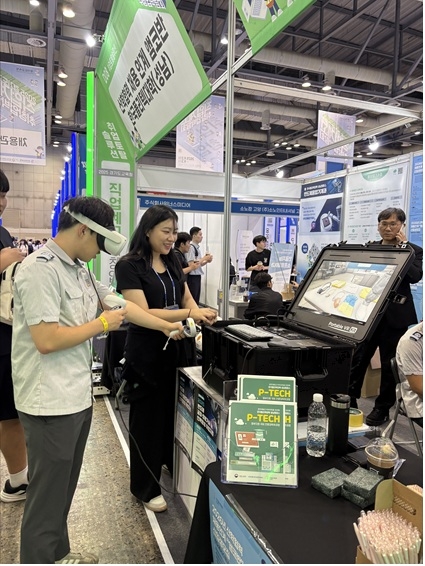
Five first-year students at Korea Polytechnics' newly opened Seongnam campus semiconductor systems department have secured job offers in their enrollment year.
The result follows a program in which a semiconductor back-end processing company helped design the curriculum and conducted hiring interviews while students were still enrolled. Korea Polytechnics has opened 48 new departments and restructured 77 others over the past four years to reflect regional industry and corporate workforce needs.
Korea Polytechnics released the performance results of its newly established departments Tuesday. The Seongnam campus semiconductor systems department, which admitted its first students this year, formed a hiring-track class with semiconductor packaging specialist Amkor Technology. Amkor participated in designing the curriculum, and students go through hiring procedures — including interviews — in the second semester of their first year. Five students who had completed their mandatory military service secured job offers in September. Another 17 students who have yet to serve have been registered in the company's talent pool and will go through interviews after returning from service before final hiring decisions are made.
At the Daejeon campus cloud security department, established in the 2024 academic year, every member of the first graduating class found employment or transferred to a four-year university in February. Graduates took positions at cloud infrastructure and security firms including Korea IT Jinheung and Jin Infrastructure, as well as at university hospital IT departments. Some transferred to four-year universities to continue studying security. The department was created in response to industry calls for hands-on data center security personnel in the Daejeon and Chungcheong region, which is home to a concentration of defense and public research institutions and IT infrastructure.
The Ulsan campus AI industrial safety systems department, which also opened that year, recorded a 90.4% employment rate for its first graduates. It is the first industrial safety department in Korea Polytechnics' degree programs, established to meet rising demand for industrial safety personnel following the enforcement of the Serious Accidents Punishment Act. Reflecting Ulsan's character as a hub of industrial complexes, the department teaches AI-based safety management practices. Korea Polytechnics opened an industrial safety major at its Changwon campus last year and plans to expand the program to its Seoul Jeongsu campus next year.
A new program for middle-aged job seekers was also launched. The electrical engineering department at the Pohang campus, which opened this year, runs a program tailored to job seekers aged 40 and older to meet demand for electrical facility workers in the local steel and secondary battery industries. The program drew 119 applicants for 40 spots. In this year's electrical technician licensing exam, all 22 students who sat the written test passed, and 18 of 19 students (94.7%) passed the practical exam.
"Opening and restructuring departments is a commitment to be the first to develop the talent that industry needs," Korea Polytechnics Chairman Lee Cheol-su said. "By designing curricula together with companies and running departments in step with regional industries, we will expand opportunities for both young people and middle-aged workers to build careers through technical skills."
fact0514@heraldcorp.com