Interview with Park Jong-min, CEO of Popeyes Korea
Franchise launch set for Q1 2027; kitchen footprint cut to as small as 50 square meters
Store opening costs targeted at less than half the global brand standard
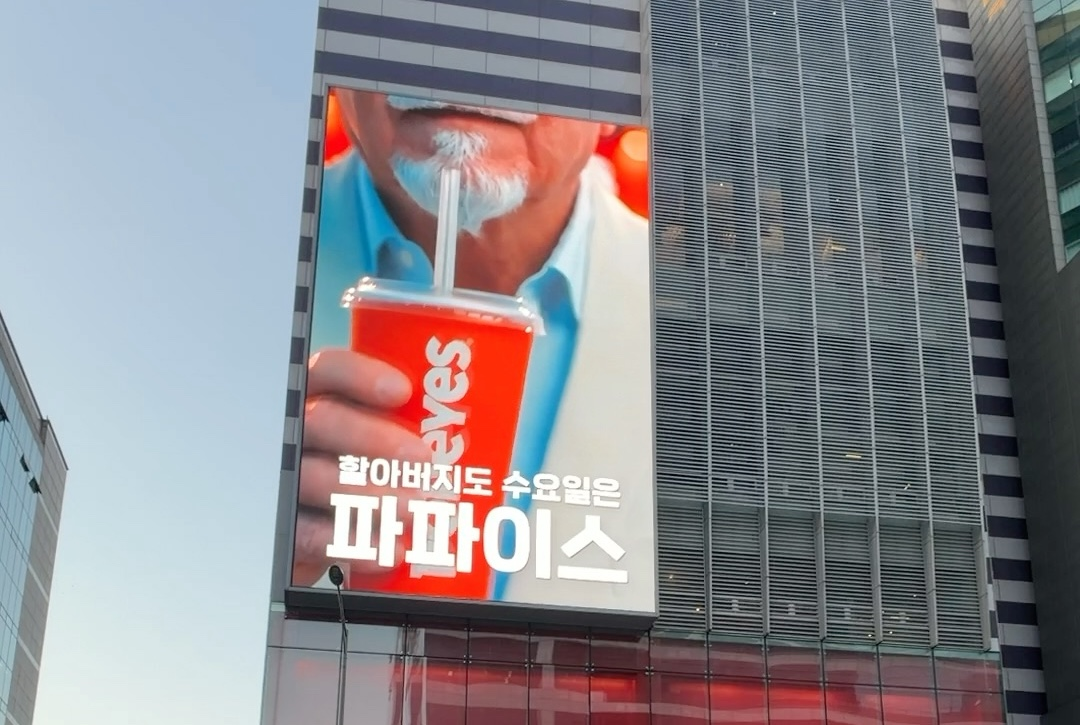
Popeyes, marking five years since its return to the South Korean market, plans to launch a franchise business in the first quarter of 2027. Having spent those years operating company-owned stores in key commercial districts — Gangnam, Myeong-dong and Hongdae — the chain now aims to expand its footprint through franchising. The company said it prioritized verifying franchisee profitability and operational stability before accelerating store growth.
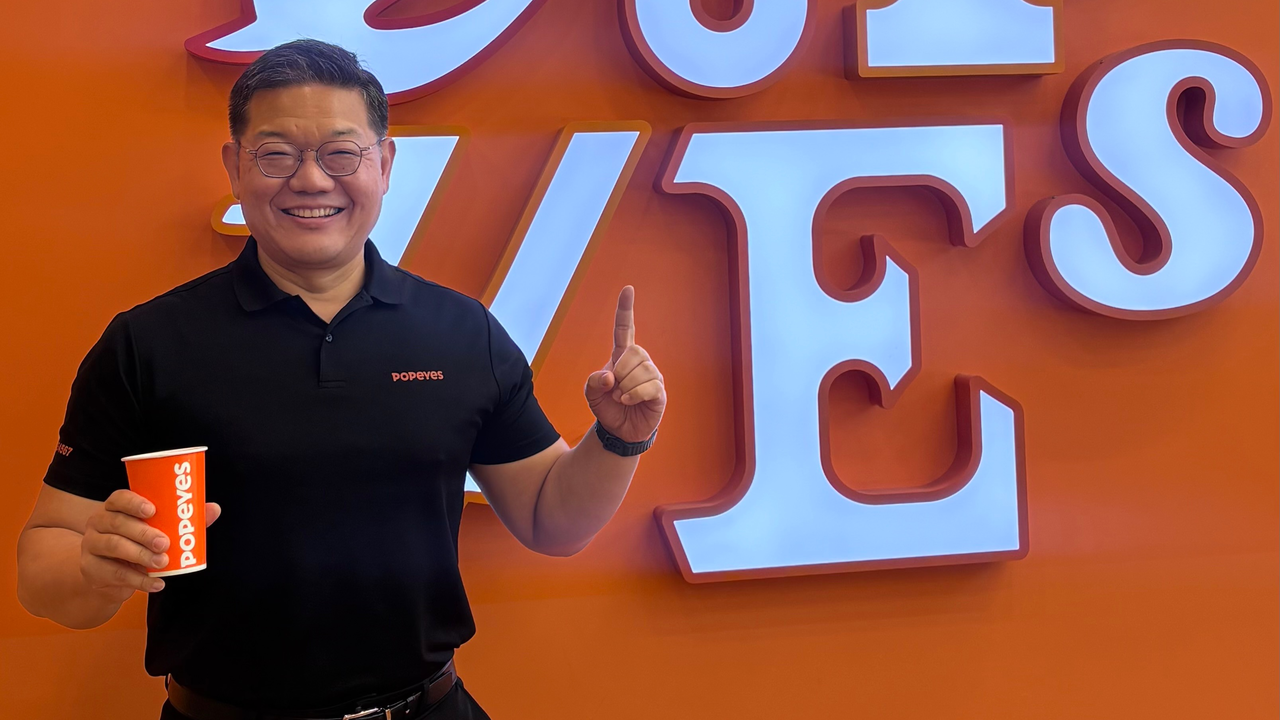
"The past two years as CEO of Popeyes Korea have been a preparation period — understanding the Korean market and adapting the brand's strengths to local conditions," Park Jong-min, CEO of Popeyes Korea, said in an interview Tuesday at the Popeyes Hongdae store in Mapo-gu, Seoul. "I decided the time has come to launch the franchise business in earnest."
Popeyes is working toward a first-quarter 2027 franchise launch. The company completed its franchise registration in June, satisfying the legal requirements. It is currently verifying the systems and revenue structures needed to run franchise locations.
Before expanding, Popeyes focused heavily on improving store operational efficiency. The existing global store model required large spaces and high upfront investment. To grow a franchise network in South Korea, the company needed a model that lowered the financial burden on prospective owners while maintaining product and service quality.
In response, Popeyes redesigned store layouts, kitchen equipment and staffing practices. It developed a plan to reduce the minimum store size to around 50 square meters and is pursuing a setup cost target of less than half what a typical global-brand location would require.
Preparing for franchising also meant persuading the US headquarters. As a global brand, the parent company places a high priority on brand standards and operational consistency, and had been cautious about expanding the franchise model. Popeyes Korea spent roughly two years making its case, presenting the characteristics of the domestic franchise market and its proposed franchisee operating model.
"The key is keeping the product and operational standards of the global brand while lowering the barrier to entry for local store owners," Park said. "We are particularly pursuing what we call 'Accessible Premium' — making it possible to enjoy a premium experience at a reasonable investment cost."
Even after the franchise launch, the company does not plan to stop opening company-owned stores. The idea is to create a virtuous cycle in which new equipment and operating methods are tested at corporate locations before being rolled out to franchisees. The goal is to have 200 stores in South Korea by 2029. The chain currently operates 26 company-owned locations.
Earnings have been trending upward. Monthly sales grew without a single month of decline through October, with October sales up roughly 70 percent from the start of the year. "We plan to roll out a variety of marketing initiatives for the rest of this year and into early next year," Park said. "We will keep expanding the fun and fresh brand experience that is uniquely Popeyes."
siuu@heraldcorp.com