Daejeon aims to build a city where young people can work, settle and enjoy life — expanding support across all aspects of youth living
Daejeon is moving into full gear on its "Youth Special City" initiative — a plan to create an environment where young people can work, put down roots and enjoy everyday life in the city, with support spanning jobs, housing, education and policy participation.
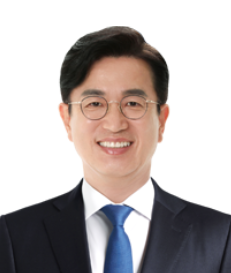
Mayor Heo Tae-jeong outlined the vision at a city briefing Tuesday morning, saying the city would go beyond simply expanding support programs. "We will strengthen practical support so that young people can realize their potential and build the future they want," he said.
The overarching goal is to give young people the opportunities and living foundations they need to choose Daejeon as their home, grow there and shape their own futures.
To that end, the city will pursue four initiatives: launching the Daejeon Youth Assembly, strengthening work experience and employment readiness for young people, supplying 5,000 high-quality youth housing units, and rolling out a Daejeon-style college and career guidance program.
The first pillar centers on the Daejeon Youth Assembly, which will channel young people's voices directly into policy and budgeting. The city has already formed and launched the first-generation assembly, designed to move young people beyond the role of policy beneficiaries and into active roles as policy proposers and decision-makers.
"The Youth Assembly will identify and propose policy tasks based on issues young people experience in their daily lives, and through deliberation select projects for the participatory budgeting youth deliberation program," Heo said. "We will also monitor the progress and outcomes of selected projects to ensure that young people's proposals are carried through into policy."
A pilot project will be identified and launched in 2027, with the full participatory budgeting youth deliberation program set to begin operating in 2028.
The city will also launch a public-sector youth internship program starting in 2027 to build employment readiness through hands-on public-sector experience. Up to 100 unemployed young people between the ages of 18 and 39 who live in Daejeon or are enrolled in a Daejeon university or graduate school will be offered up to six months of practical work experience.
Recruitment will open in January next year, with participants selected in February and internships beginning in March. The program will move away from routine clerical work and instead focus on substantive roles and projects in areas such as public relations and design, AI and data, and program planning and operations.
The aim is to ensure that experience gained in the public sector translates into practical, job-ready skills rather than a one-off entry on a résumé.
On housing, the city will broaden residential stability and local settlement for young people and newlyweds by supplying 5,000 high-quality units.
"To ease the housing burden on young people and newlyweds and support stable settlement in the region, we are expanding the housing supply target from 3,000 units under the previous administration to 5,000," Heo said. The city plans to invest a total of 548.9 billion won ($405 million) from this year through 2034, delivering 1,800 units of publicly built rental housing, 1,500 units of publicly purchased rental housing and 1,700 units of privately built rental housing with public support.
To ensure the units match what young people actually want, the city will prioritize locations with strong access to transportation and employment, and will raise living convenience through housing types tailored to young people and newlyweds, along with built-in appliances and furniture.
In education, the city will launch a Daejeon-style college and career guidance program in 2027, in line with the overhaul of the university entrance system for the 2028 academic year and the full rollout of the high school credit system. The initiative aims to close the information gap in college admissions, ease the burden of private tutoring costs and deliver inclusive educational welfare that leaves no one behind.
The program will build on the public education system while drawing on the expertise of admissions specialists and introducing an AI-based analysis system to develop a differentiated Daejeon model. The target population will expand beyond currently enrolled students to include out-of-school youth, students retaking the college entrance exam and vulnerable groups. Key components include a college admissions fair offering university-specific booth consultations and one-on-one personalized counseling, as well as one-on-one college consulting using an AI career and admissions analysis system.
Reflecting feedback from young people on the ground, the city has also revised its support systems this year — allowing payment deferrals of up to eight months and easing eligibility requirements for young entrepreneurs by reducing the minimum operating period from six months to three months.
In addition, the city opened the Daejeon Youth Future Center on Oct. 26 to identify at-risk youth early and support their recovery and social reintegration. An integrated support framework has been established for young people struggling with studies or job preparation due to family caregiving responsibilities, as well as for isolated and reclusive youth who have become cut off from social relationships.
Daejeon also plans to analyze gaps in cultural support for young people and to roll out a culture voucher program reflecting local characteristics starting in 2028. The city intends to link the initiative with Ontong Daejeon 2.0 and local cultural businesses — including independent bookstores, performance venues and exhibition spaces — to expand young people's access to arts and culture while also revitalizing the local cultural economy.
"We will continue to pursue policies that bring real change to young people's lives so they can plan a bright future here in Daejeon," Heo said. "We will build a Youth Special City where more opportunities and possibilities open up for young people, and where their drive and growth become a new source of vitality for the city."
kwonhl@heraldcorp.com