Korea Food Research Institute confirms parsnip extract strengthens gut barrier, reduces liver fat accumulation
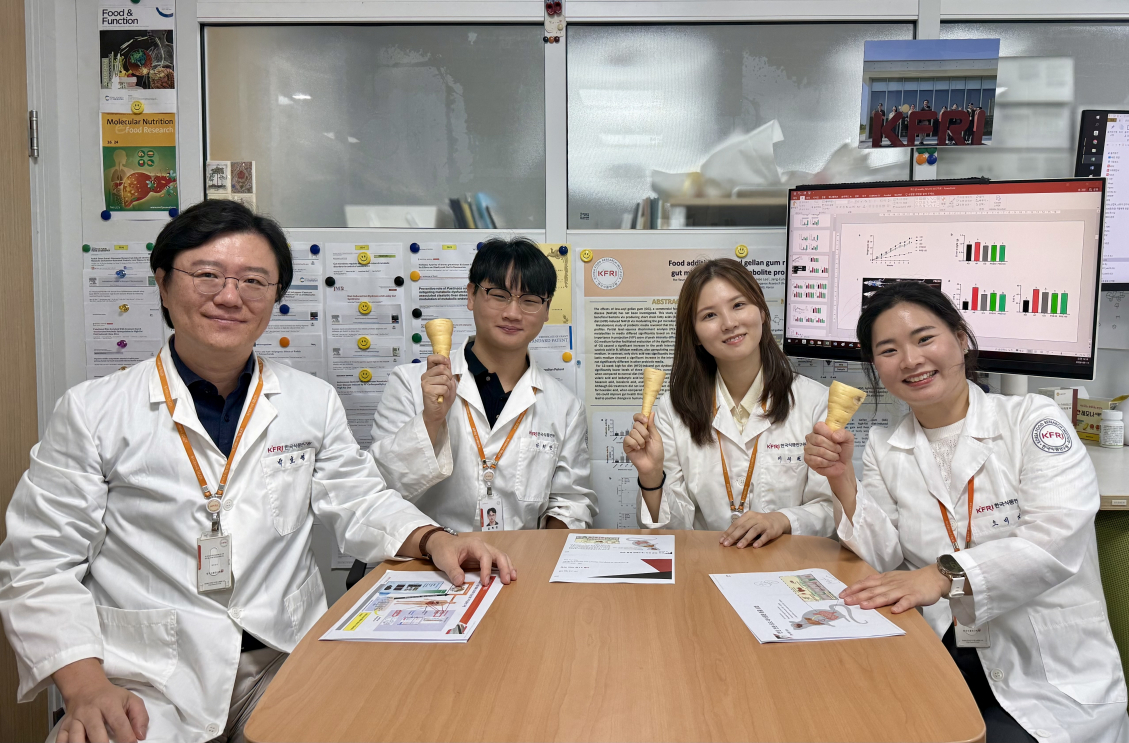
"Eat plenty of white carrots."
Parsnip, a white root vegetable that resembles a carrot, may benefit not only gut health but also fatty liver, according to new research.
The Korea Food Research Institute said Tuesday that a research team led by Park Ho-young confirmed that parsnip root extract promotes the growth of beneficial gut bacteria, strengthens the protective function of the gut barrier and may reduce fat accumulation in the liver.
Parsnip is a root vegetable in the carrot family that has long been eaten in Europe. Its resemblance to a white carrot has earned it the nickname "white carrot." Known for its mild sweetness and aroma, it is commonly used in soups and roasted dishes, and contains a range of plant-derived compounds including dietary fiber and polyphenols.
The research team analyzed the effects of parsnip extract on gut microbiota, gut barrier function and liver health through cell and animal experiments.
The gut barrier acts as a defensive layer that prevents harmful substances in the intestines from entering the bloodstream. When gut microbial balance is disrupted — by a high-fat diet, for example — the barrier weakens, allowing bacteria-derived endotoxins to travel through the blood to the liver. This is considered one of the factors that promote liver inflammation and fat accumulation.
The researchers first treated intestinal mucus-secreting cells with parsnip extract at concentrations of 10 to 1,000 micrograms per milliliter. As a result, mucus production increased and the expression of mucin-2, a protein involved in mucus production, also rose.
Intestinal mucus protects the surface of the gut barrier, preventing harmful substances and pathogenic microorganisms from directly reaching intestinal cells.
Positive changes were also observed in animal experiments using a high-fat diet. Animals given parsnip extract showed reduced blood endotoxin levels and lower liver fat accumulation. The expression of ZO-1, a protein that forms the gut barrier, improved, as did the inflammatory state of colon tissue.
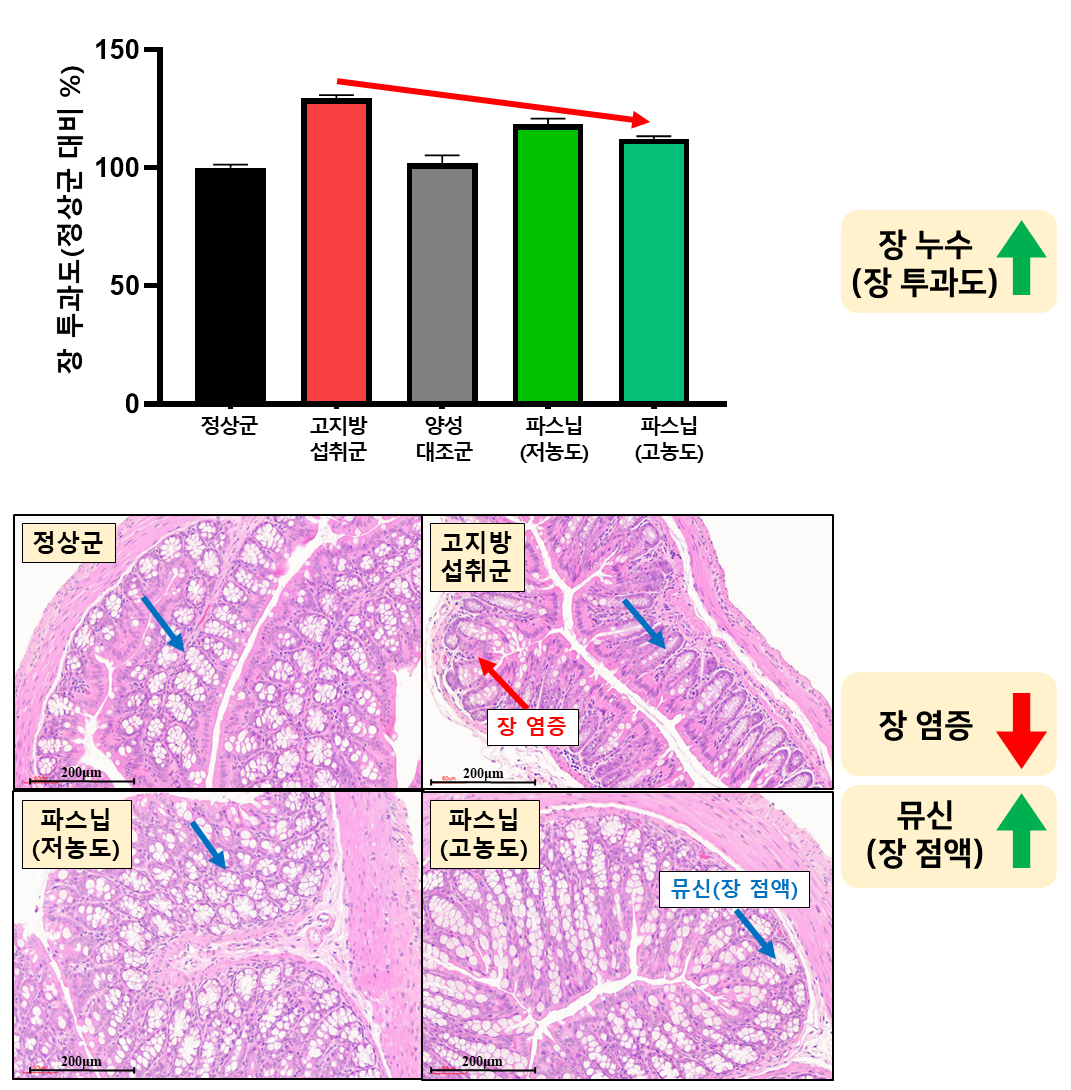
Particularly notable was the extract's effect on the growth of beneficial gut bacteria.
Parsnip extract promoted the growth of lactic acid bacteria and bifidobacteria isolated from the intestines of healthy Koreans. The effect was 1.2 to 2 times as high as that of inulin, a well-known prebiotic.
Prebiotics are compounds that act as food for beneficial gut bacteria, helping them multiply and improving the intestinal environment.
The research team said the study confirmed that parsnip extract may positively influence the gut-liver axis — a pathway linking the promotion of beneficial bacteria growth, strengthening of the gut barrier, reduction of endotoxin entry and alleviation of liver fat accumulation.
However, the research remains at the cell and animal experiment stage, and further verification is needed to determine whether the same effects occur in humans.
The team is currently conducting human efficacy studies and plans to develop parsnip extract into a functional food ingredient through ingredient standardization, safety evaluation and human clinical trials. The institute is also pursuing commercialization that links domestic smart-farm cultivation to functional ingredient production.
The findings were published in the international journal npj Science of Food.
"We confirmed that the water-soluble components of parsnip have the potential to simultaneously improve beneficial bacterial growth, gut barrier function, and endotoxin and liver health indicators," Park said. "We will develop it into a food ingredient that supports gut and liver health through additional safety evaluations and human clinical trials."
nbgkoo@heraldcorp.com