Visa card data analysis
Premium card spending by Koreans in Japan up 75% year on year
Infinite card annual fees reach 500,000–1 million won
Shift from value-driven purchases to luxury experiences
Department store and apparel spending rises; discount stores decline
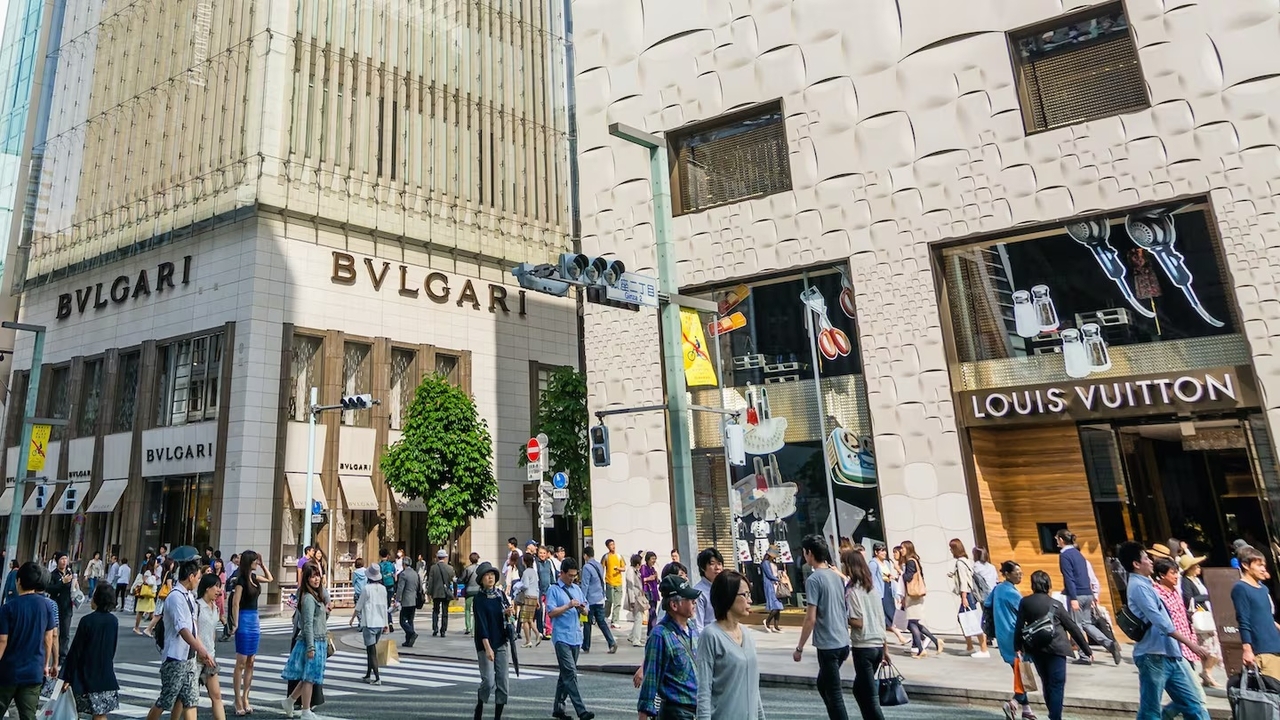
Korean tourists in Japan are increasingly opening their wallets at department stores and upscale boutiques, moving beyond the bargain-hunting trips that once defined their visits. As the number of Koreans traveling to Japan continues to climb, a weak yen is amplifying the shift toward high-end goods, including luxury brands.
According to data from global payments technology company Visa released Tuesday, spending by Korean premium cardholders visiting Japan during the Golden Week period from April 30 to May 6 this year surged about 75 percent compared with the same period a year earlier — roughly three times the growth rate recorded for standard cardholders.
The premium cards Visa analyzed are Visa Signature and Infinite-tier cards issued in South Korea. Higher-tier cardholders increased their local spending in Japan far more rapidly than standard cardholders, underscoring the pronounced shift in consumption among premium users. Visa interpreted the trend as a sign that travel spending, once focused on buying inexpensive goods, is moving toward placing greater value on personal taste and luxury experiences.
Annual fees for Visa Signature cards range from 100,000 to 300,000 won ($221), while Infinite cards run from 500,000 to 1 million won — far above the 10,000 to 30,000 won charged for standard cards.
For years, a trip to Japan meant "value shopping" for Korean tourists. Picking up Japanese snacks, chocolates, pain-relief patches and other medicines, cosmetics and everyday goods at Don Quijote, Daiso and drugstores was a standard itinerary staple. Low prices were the primary draw, with many travelers drawing up shopping lists before they even boarded the plane.
Recently, however, spending has been spreading to department stores and premium retailers. Visa's Korea-Japan travel payments data published in August also showed that Korean tourists' spending on department stores, clothing and accessories led overall consumption growth in Japan, while purchases at discount stores and electronics shops — previously the mainstays — declined.
The shift is unfolding against a backdrop of rapidly rising demand for Japan travel among Koreans. According to the Japan National Tourism Organization, about 8.26 million Koreans visited Japan in the first nine months of this year, up 21.6 percent from the same period a year earlier — a record high for that stretch and accounting for roughly 26.9 percent of all foreign visitors to Japan.
Spending while there is also rising. According to Japan's Tourism Agency, Korean tourists' travel expenditure in Japan in the third quarter of this year reached 293.8 billion yen ($1.86 billion), up 45.8 percent year on year. Shopping expenditure was particularly strong, jumping 66.2 percent to 78.3 billion yen — a steeper rise than overall travel spending. Per-capita spending by Korean tourists also climbed 13.4 percent to 113,959 yen.
Experts attribute the trend to a combination of surging Japan travel demand, a weak yen and strong appetite for luxury purchases. "Traveling to Japan has become commonplace, and there is clearly a segment of consumers eager to spend on luxury goods," said Kim Si-wol, a professor of consumer studies at Konkuk University. "With the weak yen on top of that, people are thinking this is the moment and going for luxury spending on their Japan trips."

snsd@heraldcorp.com