Oyster shells to partially replace limestone in removing SOx emissions
First commercial use of fishery byproduct marks new recycling milestone
Deal eases disposal burden and opens new market for aquaculture waste
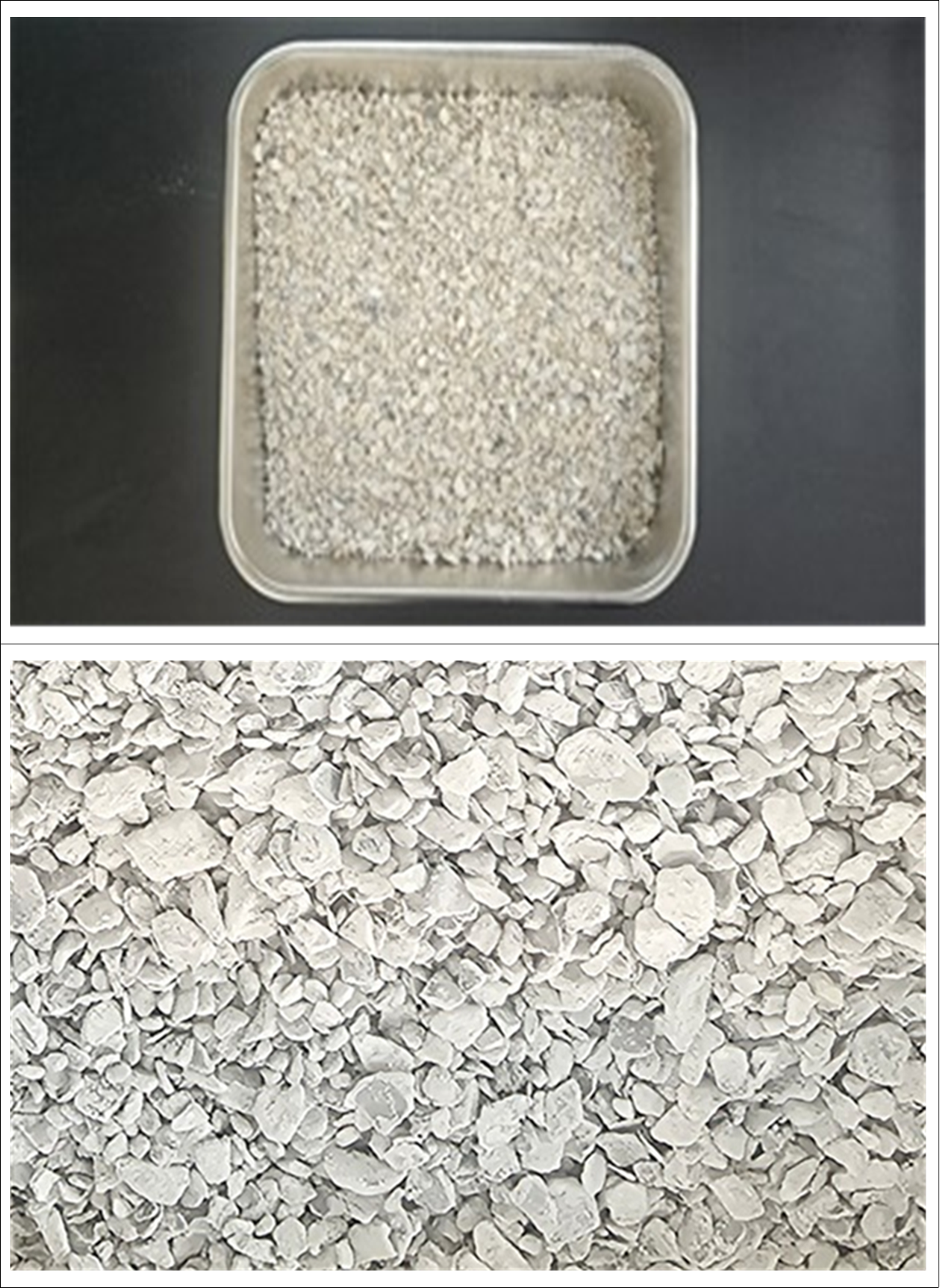
Oyster shells that had long posed a disposal challenge will now serve as an industrial raw material for removing pollutants from power plant emissions. South Korea has signed its first-ever supply contract for a power plant desulfurization agent made from recycled oyster shells, covering about 20,000 tons. The deal gives a previously discarded fishery byproduct a new commercial outlet by partially replacing conventional limestone.
The Ministry of Oceans and Fisheries said it held a ceremony Thursday to mark the commercial launch of oyster shell-based desulfurization agents at Korea Southern Power's Hadong Bitdeurim headquarters in Hadong-gun, South Gyeongsang Province.
The event was organized to celebrate the signing of the country's first supply contract for the power-generation desulfurization agent derived from oyster shells. About 100 people attended, including officials from the ministry, Korea Southern Power, South Gyeongsang Province, Tongyeong, the fishing industry and related organizations.
Oyster shells are the byproduct generated during oyster production and processing. The newly commercialized desulfurization agent uses recycled oyster shells to remove SOx from power plant exhaust gases, partially replacing the limestone previously used in the process.
The significance of the supply contract lies in converting what had been a waste-disposal problem into a usable industrial raw material. With oyster shells now finding a new industrial buyer, the deal lays the groundwork for expanding the recycling market for fishery byproducts.
The agreement also carries environmental implications. Substituting oyster shells for a portion of limestone reduces the consumption of natural resources. The ministry said it hopes the case — in which a byproduct from the fishing industry becomes a raw material for the power sector — will spread as a model of cross-industry resource-circulation cooperation in support of carbon reduction and ESG management.
However, the ministry did not provide figures on how much limestone the contract would actually displace or how much it would reduce carbon emissions.
"We expect this supply contract to mark a turning point — one that transforms oyster shells, long a burden to dispose of, into a resource the power industry needs, and that opens a new market for converting fishery byproducts into usable materials," said Park Seung-jun, director general for fishery village and aquaculture policy at the ministry. "We will continue to broaden the uses of fishery byproducts and strengthen cooperation with industry to build a resource-circulation ecosystem that improves the environment in fishing communities, generates additional income, and helps companies reduce carbon emissions and advance ESG management."
adastra@heraldcorp.com