XR technology guides ergonomics and vehicle architecture
Battery must contain fire for at least 2 hours
Orders open in Korea; first deliveries set for late 2027
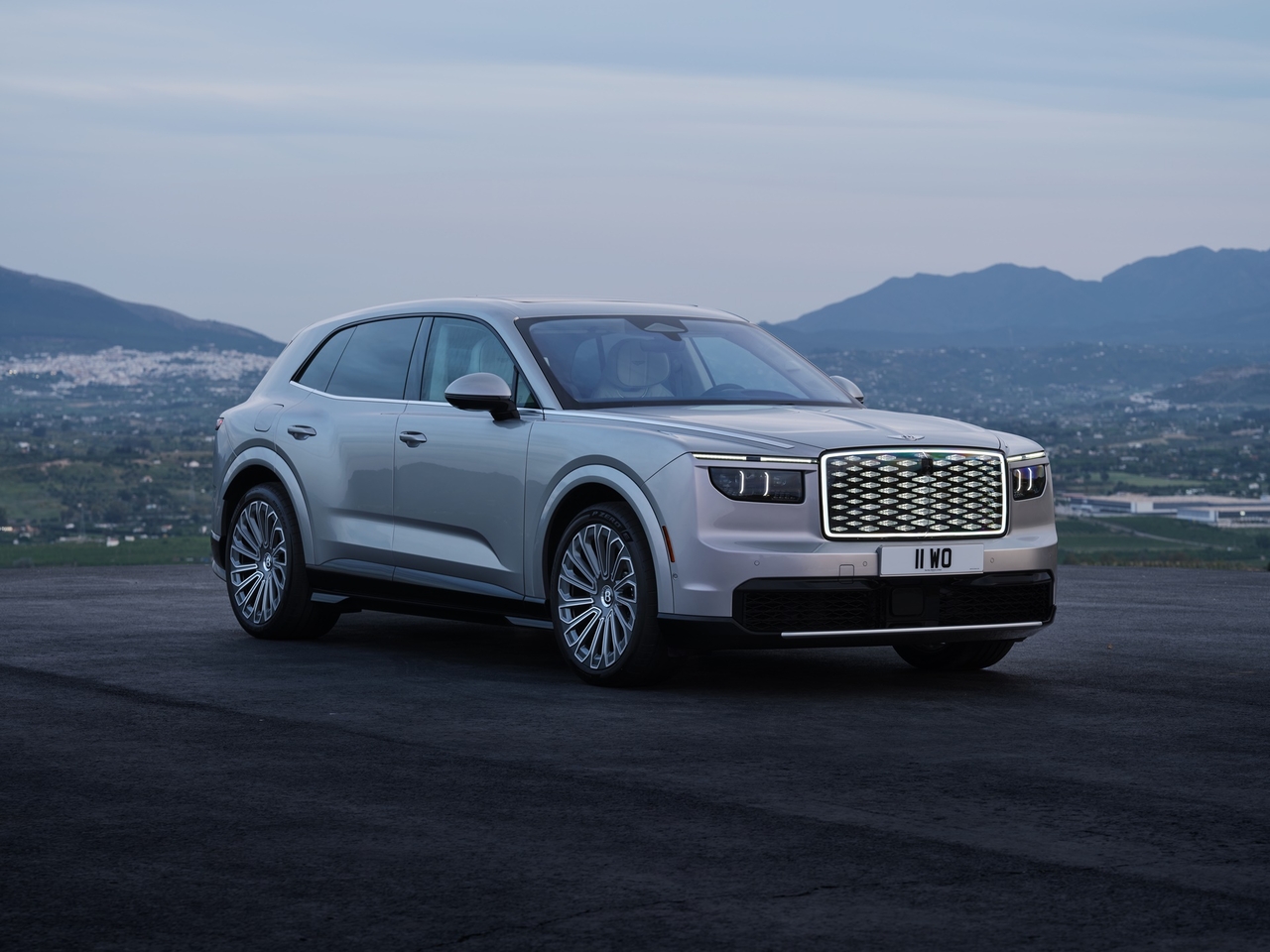
Bentley Motors on Wednesday unveiled the development process behind the Torkal, the brand's fourth model, which had been kept under wraps until now.
Bentley carried out research, development and validation programs around the world before bringing the Torkal — its first all-electric vehicle — to market. Prototype and pre-production vehicles have logged more than 1 million kilometers of test driving in total, enduring temperatures as low as minus 38 degrees Celsius in Swedish winters and as high as 40 degrees Celsius in desert heat, as well as high-altitude testing at Pikes Peak in Colorado at 4,300 meters above sea level. Bentley said the process led to the introduction of new technologies, processes and what it described as the most sophisticated electrical systems development program in the company's history.
Extended reality (XR) technology played a central role in the development process, used extensively to design and validate ergonomics and vehicle architecture. XR combines physical and digital environments to create immersive experiences. Bentley's concept validation team used the company's XR hub to build a digital version of the Torkal with a realistic interior that supports seat adjustment and control operation. Engineers were able to assess and refine how customers interact with the vehicle before any physical parts were produced, validating concepts early in development to shorten timelines and improve flexibility and sustainability.
Virtual development alone cannot replace the hands-on experience of seeing and handling actual components, making physical design validation a critical step. At this stage, engineers check part fit and clearance, ease of maintenance, assembly quality and customer interaction. More than 90 percent of the Torkal's total parts were ready at this stage, accelerating the validation work. Engineers used laser scanning to compare physical parts directly against CAD data, identifying deviations early, and conducted slow-build trial assemblies following set procedures to simulate production conditions and verify assembly processes and production flow.
Three specialist teams are collaborating across electrical architecture, software integration and validation testing for the electrical systems development — work Bentley described as one of the most ambitious engineering challenges in its history. A new integrated software version incorporating improvements, new features and performance enhancements is released every six weeks, with each version validated in both laboratory and real-vehicle settings before moving to the next stage.
The Torkal's battery weighs approximately 625 kilograms and offers an energy density of more than 180 Wh/kg. A composite impact protection plate mounted beneath the battery shields the cells and related components from impacts to the vehicle's underside. The battery undergoes extensive validation and regulatory compliance testing to meet global safety standards.
Testing covers three main areas. The battery must contain any thermal incident for at least two hours without fire spreading or an explosion occurring. A ballistic test fires a 30-millimeter metal projectile weighing about 111 grams at the battery casing at speeds exceeding 160 kilometers per hour to assess durability against road impacts. Environmental and durability evaluations, including salt-spray corrosion exposure tests, are also conducted. Bentley said the design is intended to protect occupants for as long as possible even in the rare event of serious battery damage.
Keeping the design secret before the public reveal required a camouflage strategy that evolved alongside the vehicle's development. Some vehicles were wrapped in complex graphics designed to create visual confusion and deter photography, while temporary body panels and physical disguise elements concealed key design features. The level of concealment required varied by test environment and development stage, prompting continuous adjustments to the camouflage approach. As the delivery date draws closer, prototype vehicles are now being stripped of their disguises.
The Torkal is now open for orders in South Korea, with first customer deliveries scheduled to begin in late 2027.
Meanwhile, Bentley Motors has been expanding its global customer outreach through a range of marketing activities, including the recent appointment of actor and filmmaker Michelle Yeoh as a new global brand ambassador.
eyre@heraldcorp.com