Members visited specialty streets and traditional markets in Suwon and Yongin to study local commerce revitalization cases, meeting with business support agencies and merchant associations to explore ways to apply lessons to Gwangjin-gu.
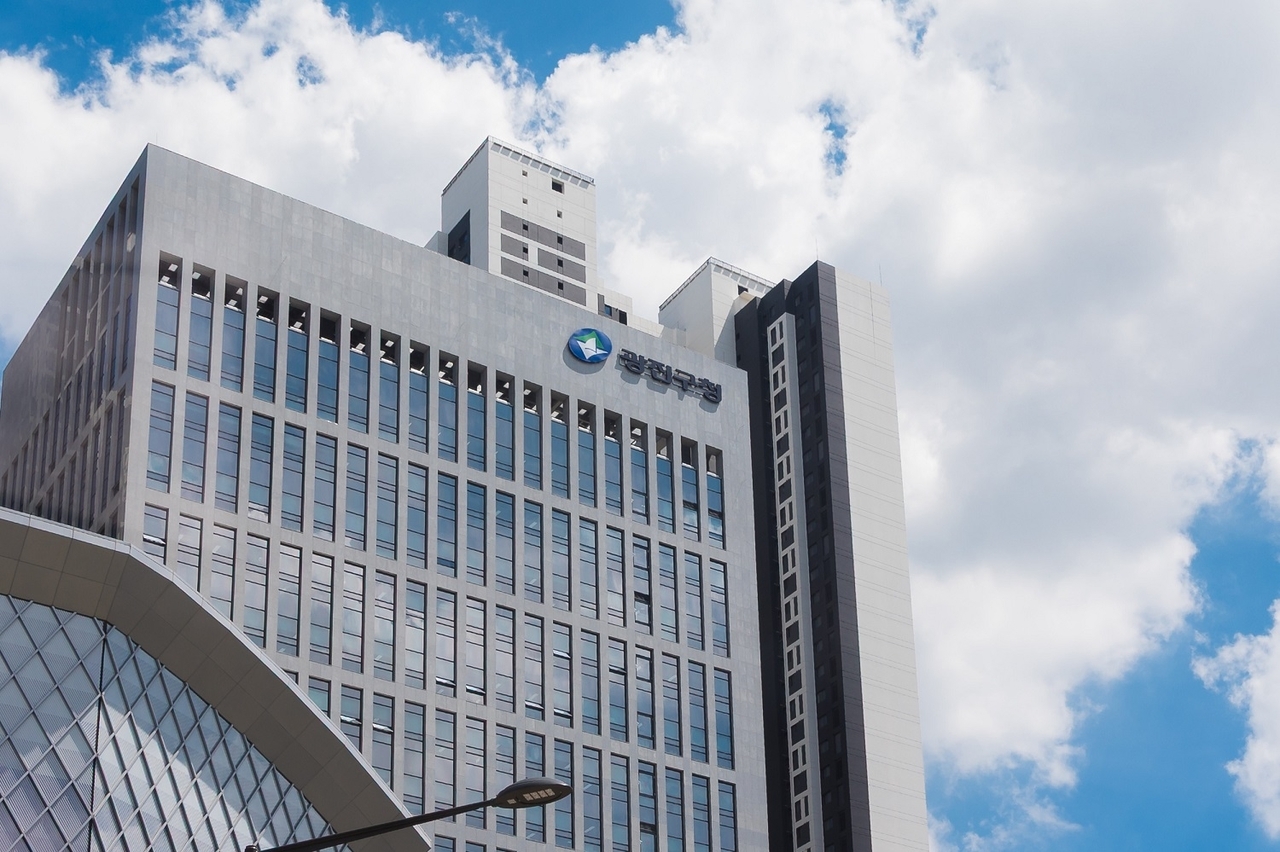
A lawmaker research group of the Gwangjin-gu Council visited specialty streets and alley commerce districts in Suwon and Yongin, Gyeonggi Province, from Thursday through Friday to study local commerce revitalization cases.
The visit was part of an ongoing research project by the group, which is examining how to develop specialty streets to revitalize Gwangjin-gu's local commerce. Members sought to review how other districts have built specialty streets, assess how business support agencies operate, and identify policy measures applicable to Gwangjin-gu.
In Suwon, the group visited Gongbang Street, Haengni-dan-gil and Tongdak Street to observe how alley commerce has been revitalized by drawing on each area's distinct character. Members examined how Gongbang Street — a cluster of craft and hands-on workshops — and Haengni-dan-gil — lined with cafes and small shops — were developed as specialty streets. At Tongdak Street, they reviewed how concentrating a single type of business had created a food-focused specialty district.
In Yongin, the group visited the city's commerce revitalization center, where officials briefed them on local commerce policies and small-business support programs. Members exchanged views with center staff on how business support agencies are run and how merchant organizations are assisted.
At Yongin Jungang Market, the group held a meeting with representatives of the merchant association and an urban regeneration center, sharing ideas on how to revitalize traditional markets and how merchant organizations are managed. Members also walked through the market's main alleys to observe how the traditional market's distinct character is reflected in its day-to-day operations.
The group's final stop was Bojeong-dong Cafe Street in Yongin — the city's first designated alley-type shopping street — where members met with an adviser to the merchant association to hear about how the street is run and what has driven its commercial success. They also examined how the area's unique local identity has been used to develop a specialty street and build a distinct commercial brand.
Lee Dong-gil, the lawmaker who leads the research group, said a differentiated strategy that draws on each area's distinct characteristics and resources is essential for revitalizing local commerce. "Through this field visit, we were able to look at a wide range of alley commerce cases and see firsthand the roles that merchant associations and support agencies play," Lee said. Lee added that the group would work to reflect the experiences and insights gathered on the ground in its research findings, with the aim of developing specialty street plans and effective commerce revitalization policies suited to Gwangjin-gu's conditions.
The research group comprises seven lawmakers in total: Lee as representative, Choi Sang-gyu who leads the group's committee work, and members Kim Gang-san, Choi Gyu-cheol, Yoo Ji-hun, Yoo Seung-yeon and Kim Eun-hee. The group continues to carry out policy research aimed at revitalizing local commerce and plans to propose policy tasks to strengthen the competitiveness of Gwangjin-gu's alley commerce districts and ensure their sustainable development.
seouldream01@heraldcorp.com