Gangnam cuts 83.5 billion won through spending overhaul, reinvests in welfare, reconstruction and future industries
Seocho focuses on everyday services — senior transit subsidies, public parking and green spaces
Gangnam's budget exceeds Seocho's by 481.1 billion won, with wider gaps in welfare and urban development
Gangnam-gu and Seocho-gu, two of Seoul's leading districts in fiscal scale and urban competitiveness, have each drawn up their first full budget proposals under the ninth round of local elections.
Both districts have framed 2027 as the starting point of a new administration, pledging to secure future growth engines and improve residents' quality of life — yet their budget allocations and priority projects diverge considerably.
Gangnam-gu has underscored aggressive spending restructuring to free up funds for large-scale welfare and urban development investment. Seocho-gu, by contrast, has placed greater weight on projects residents can feel in their daily lives — senior transportation subsidies, public parking and expanded green spaces — alongside efforts to revitalize the local economy.
Budget gap: Gangnam outspends Seocho by 481.1 billion won
Gangnam-gu has set its 2027 budget proposal at 1.49 trillion won ($1.11 billion), a 13.1 billion won increase of 0.9 percent from this year's original budget. The general account stands at 1.45 trillion won and the special account at 41.35 billion won.
Seocho-gu has proposed a budget of 1.01 trillion won.
The gap between the two districts amounts to 481.09 billion won, with Gangnam-gu's budget running about 47.5 percent larger. Backed by a budget approaching 1.5 trillion won, Gangnam-gu has allocated substantial funds across welfare, urban development and future industries.
Budget totals alone, however, do not tell the full story of fiscal efficiency or soundness. Population size, welfare demand, project scope, central and city government subsidies, and the composition of special accounts all need to be considered alongside the headline figures.
Gangnam on a 'budget diet,' Seocho investing in everyday life
The most striking difference between the two districts lies in their approach to budget planning.
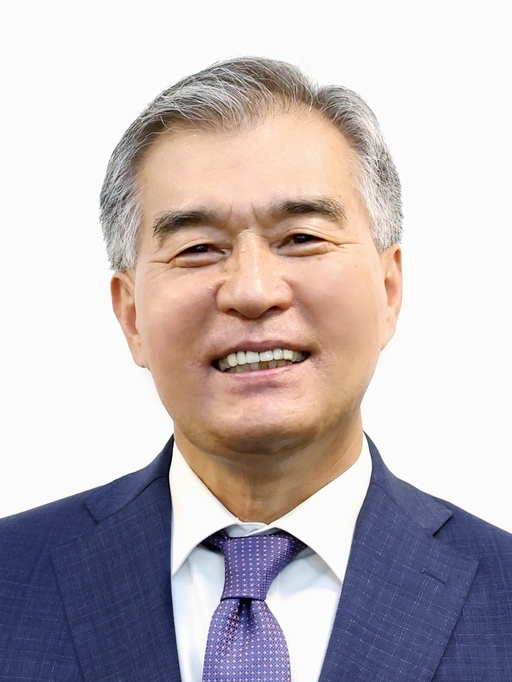
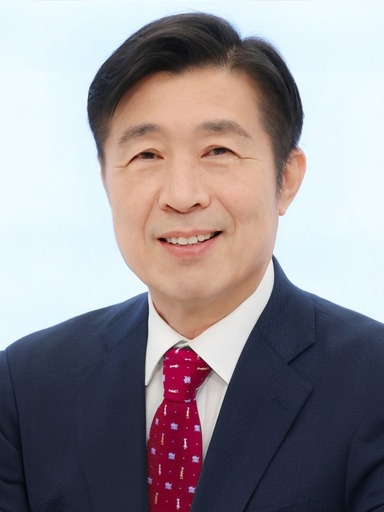
Gangnam-gu has applied what District Mayor Kim Hyun-ki calls a "three-no budget principle" — no spending on projects deemed unnecessary, lacking a clear purpose, or producing uncertain results. To put this into practice, the district reviewed all existing programs from scratch, scrapping or scaling back 29 projects. By consolidating overlapping events, trimming routine expenses and adjusting local subsidies and outsourced service costs, it freed up about 83.5 billion won.
Of that amount, 82.3 billion won has been reinvested in resident welfare and future projects: 25.1 billion won for employment, youth, education and culture; 24.3 billion won for tailored welfare services; 20.1 billion won for reconstruction and future industry infrastructure; and 12.8 billion won for the environment and public safety.
Seocho-gu has organized its budget around five policy pillars: a vibrant economic city, a premium residential city, an everyday cultural city, a green welfare city and a future-ready city.
Key allocations include 3.7 billion won for senior transportation subsidies, 3.7 billion won for the creation and operation of community rest areas, 13.3 billion won for the Guryong public parking garage and 7.9 billion won for a public parking facility at Yangjae Stream Neighborhood Park — all projects directly tied to residents' daily lives.
Welfare: Gangnam allocates 676.5 billion won; Seocho expands targeted programs
In welfare, Gangnam-gu's scale of investment stands out.
The district has set aside 676.5 billion won to improve welfare for all residents — roughly 45.3 percent of its total budget.
Programs for senior leisure and health will be strengthened, including expanded offerings at senior welfare centers and senior centers, the creation of a screen park golf course, and the installation of nighttime lighting at the Tancheon park golf course. AI- and IoT-based health management and integrated care services will also be expanded.
Support for marriage, pregnancy, childbirth and child-rearing is another priority. Planned initiatives include a marriage support grant, a newborn welcome grant, a home childcare bonus and subsidized eco-friendly produce for expectant mothers.
Seocho-gu has budgeted 3.7 billion won for senior transportation subsidies, 1.2 billion won for shingles vaccinations and 1.3 billion won for shuttle bus services at public facilities. Also drawing attention are 600 million won for a youth mental health clinic, along with plans to introduce assistive robots for people with disabilities and sign-language kiosks.
Gangnam has focused on the overall scale of welfare spending and strengthening an integrated care system; Seocho has highlighted programs that address specific everyday needs — senior mobility, health services and accessibility for people with disabilities.
Reconstruction and future industries: Gangnam pursues urban transformation, Seocho builds foundations
Both districts have designated reconstruction and future industries as core priorities for the ninth term of local government.
Gangnam-gu has allocated 61 billion won for public support of reconstruction projects, operation of an expedited task force, urban spatial planning, the Apgujeong-ro K-Culture Street and the creation of a historic and cultural street around Seolleung, Jeongneung and Bongeunsa.
The district is also moving to nurture future industries through the establishment of the Gaepo ICT Business Support Center, the creation of a Gangnam Next Unicorn Fund, a robot demonstration project and investment attraction briefings for K-Tech Valley.
Youth-related programs have received 29 billion won, covering new interview preparation grants and long-service incentives for young workers, as well as expanded support for real estate brokerage fees and moving costs.
Seocho-gu will invest 5.9 billion won in operating its Seocho AICT Center and 500 million won in building out and activating AICT infrastructure. Talent development programs include 900 million won for youth competitiveness initiatives, 300 million won for youth employment linkage support and 400 million won for the Seocho AI College.
The district has also set aside 400 million won for public support of reconstruction projects, 300 million won to establish district-unit plans for low-rise residential areas and 700 million won to support apartment complex revitalization and facility improvements.
Gangnam is pursuing a sweeping reorganization of urban space and broad development of a future industry ecosystem; Seocho is taking a more targeted approach, fleshing out sector-specific projects in AICT industry infrastructure and residential environment improvement.
Transportation, safety and environment: Seocho leads on parking, Gangnam on urban safety
In transportation and parking, Seocho-gu's investment is particularly notable.
The district has budgeted a combined 21.2 billion won for parking — 13.3 billion won for the Guryong public parking garage and 7.9 billion won for the Yangjae Stream Neighborhood Park facility. An additional 1.5 billion won has been set aside for a transit hub at the GTX-C Yangjae station.
Gangnam-gu has allocated about 142.1 billion won for environment and safety, covering underground utility line installation along Cheongdam Food Street, repairs to aging roads, eco-friendly road heating systems, expanded crime-prevention CCTV, management of protected zones for vulnerable road users and the development of an AI-based flood prevention platform.
In green space and culture, Seocho-gu will invest 2.3 billion won in creating a tree-lined walking path and a barefoot dirt trail, and 800 million won in garden development and the operation of a garden center.
Gangnam-gu has allocated 72.5 billion won for festivals, culture and tourism, and 46.1 billion won for education. Planned projects include the construction of a library in Suseo-dong and the Gaepo Library, along with AI literacy education programs.
Gangnam on scale and restructuring, Seocho on what residents can feel
The 2027 budget proposals from the two districts reveal different fiscal philosophies, even as both rank among the leading local governments in the Gangnam area.
Gangnam-gu, backed by a budget approaching 1.5 trillion won, has emphasized spending restructuring to generate resources and strategic investment in welfare, reconstruction and future industries. Seocho-gu, working with a comparatively smaller budget, has put local economic development and the AI industry at the center while foregrounding projects residents can feel directly — senior transportation subsidies, public parking and green spaces.
Ultimately, the real measure will be outcomes, not budget size. For Gangnam, the question is whether the 83.5 billion won in savings translates into tangible benefits for residents and a stronger competitive edge for the district. For Seocho, it is whether its everyday-focused projects deliver resident satisfaction and a more active local economy.
Both budget proposals will be finalized after review by their respective district councils — the Gangnam-gu Council and the Seocho-gu Council.
seouldream01@heraldcorp.com