Outside the negotiating room, both sides traded strikes on energy facilities overnight
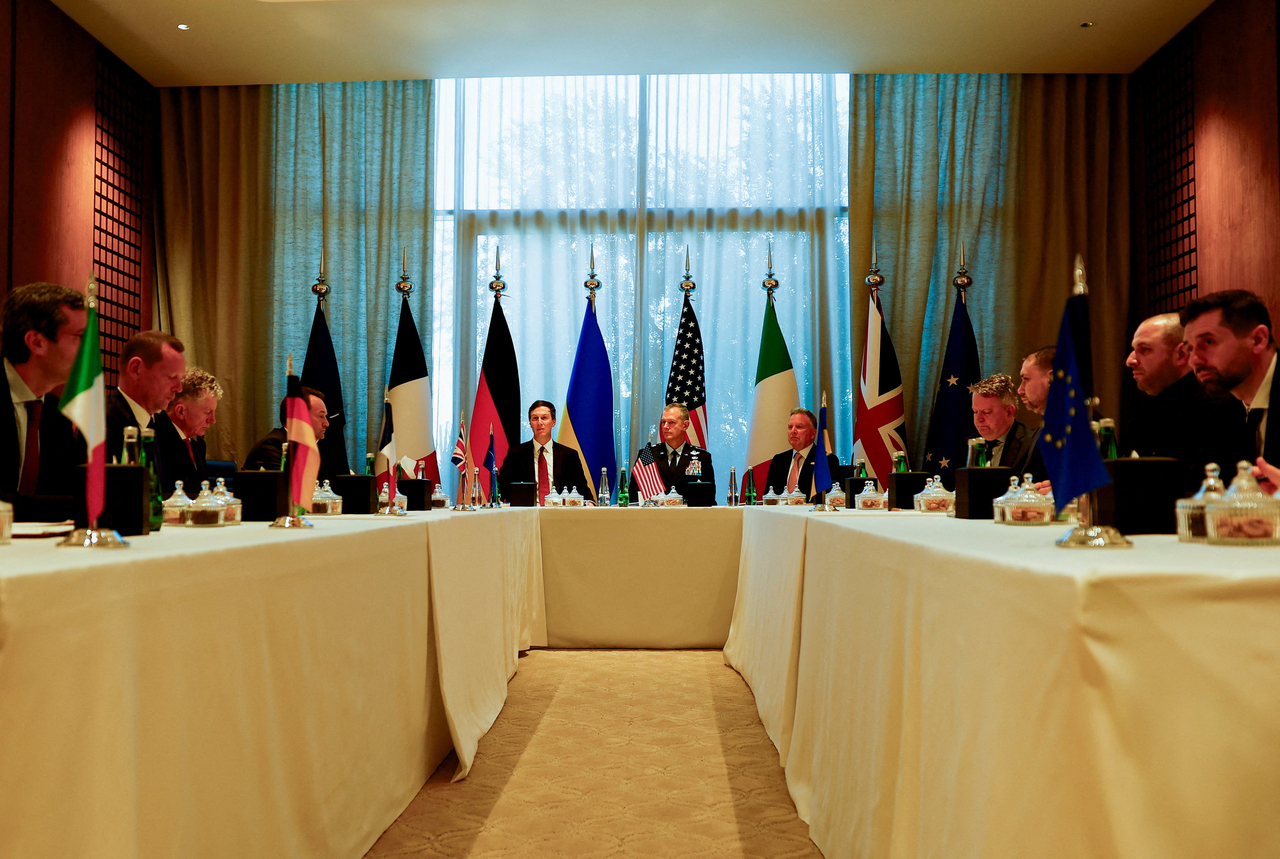
US-brokered peace talks between Russia and Ukraine entered their second day Wednesday, with security guarantees and territorial issues expected to dominate the agenda. Even as negotiators met, both sides continued trading strikes on energy infrastructure in what appeared to be a show of leverage.
The trilateral negotiations among the United States, Russia and Ukraine resumed Wednesday morning (local time) in Abu Dhabi, UAE, according to Reuters and AFP.
The Russian delegation is led by Vladimir Medinsky, a Kremlin adviser, while Ukraine's team is headed by Rustem Umerov, secretary of the National Security and Defense Council. The talks, which opened Tuesday, are scheduled to run for two days.
On Tuesday, the two sides discussed security guarantee proposals and humanitarian measures including prisoner releases, according to reports. The second day of talks was expected to take up the more contentious issues — security arrangements involving Europe, a ceasefire framework and territorial questions including the Donbas region.
Ukrainian President Volodymyr Zelensky and US Secretary of State Marco Rubio both offered positive assessments after the first day of talks, describing the discussions as substantive and productive. Russia offered no public reaction.
However, Russia and Ukraine kept up an overnight exchange of strikes on energy facilities, each apparently seeking to press its advantage going into the negotiations. Russian regional authorities said a Ukrainian drone strike sparked a fire at Ust-Luga, a Russian oil export terminal on the Baltic Sea. Russia's state-run Tass news agency reported that drone debris struck an apartment building in Smolensk Oblast, which borders Belarus, killing two people.
In Ukraine, Russian attacks on Kharkiv and Zaporizhzhia left seven people wounded. Energy facilities were also hit, cutting power to some areas including Kryvyi Rih. Ukrainian Prime Minister Serhii Koretsky said six major power facilities across four regions of Ukraine had come under attack.
The talks resumed after a nine-month suspension caused by developments in the Middle East, but analysts broadly expect little significant progress given the wide gaps that remain between the two sides on core issues such as territorial control.
yeongdai@heraldcorp.com