Ministry of Personnel Management bans formal attire at civil service interviews
Policy aims to ease dress burden on applicants, but industry warns of shrinking demand
Korean tailors win gold at international competitions even as domestic trade withers
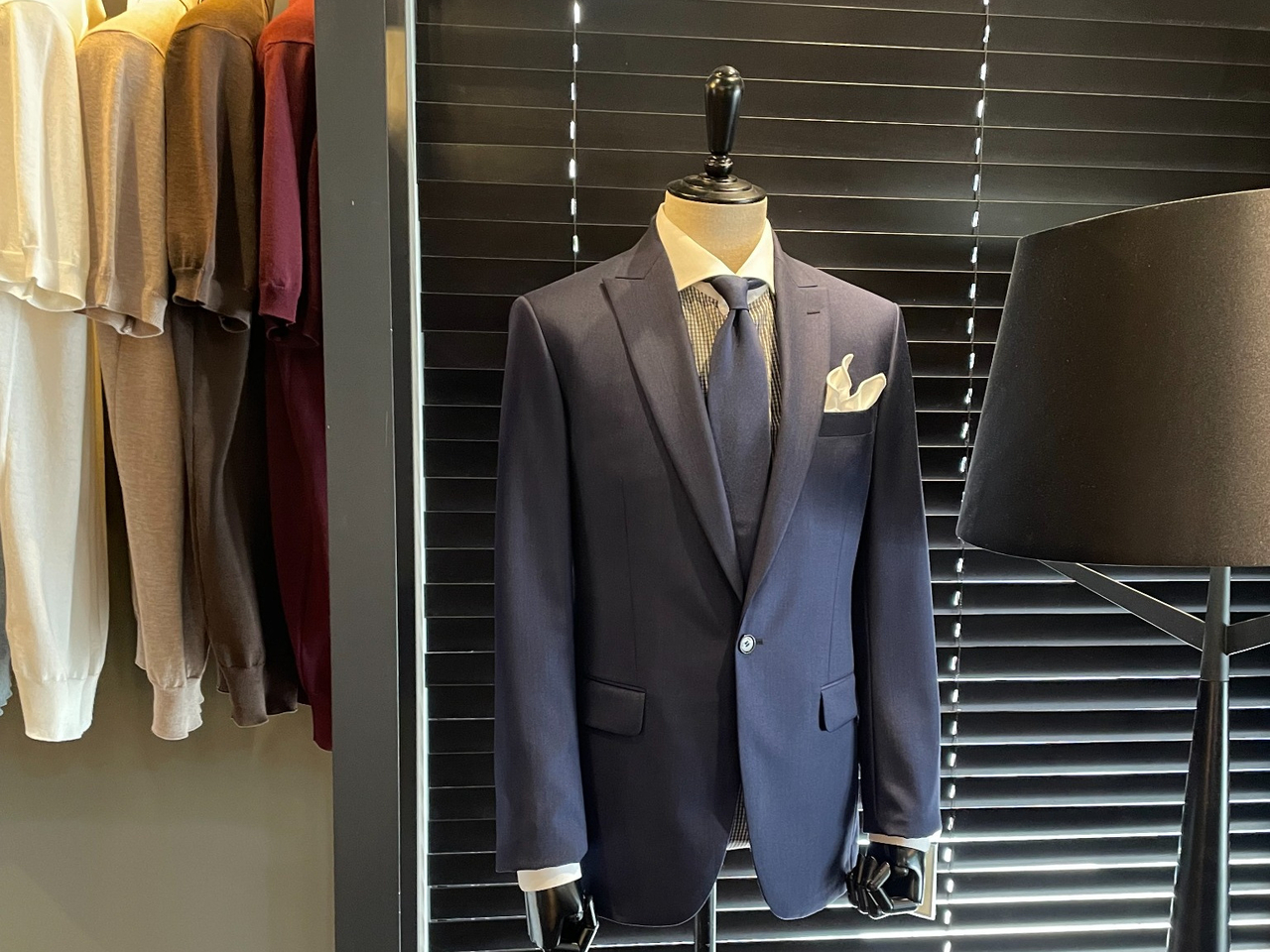
"When my father ran this shop, there were more than 100 tailor shops just in this neighborhood. Now we're the only one left."
The owner of a second-generation bespoke tailor shop in Dongdaemun-gu, Seoul, let out a sigh. When the owner began working alongside their father 20 years ago, the area was dotted with tailor shops. One by one they closed, until only this shop remained. As recently as three years ago, three or four others were still operating — but they have since shut down as well.
"When I meet people at association events these days, everyone talks about sales falling 30 to 50 percent," the owner said. "This is the work of a lifetime — it's not easy to just close up shop. We're holding on however we can."
The bespoke suit industry has seen demand erode as the ready-to-wear market expands, workplaces relax dress codes, and consumer habits shift. Customers who once had suits tailored before starting a job or getting married are increasingly turning to off-the-rack clothing or casual wear, steadily shrinking the market for custom tailoring.
Most bespoke tailor shops are small businesses, and unlike large companies they have little capacity to broaden their marketing or attract new customers. An aging workforce and a shortage of young skilled workers are also driving the industry's decline.
Government discourages suits at interviews; industry warns of demand slump
Against this backdrop, a new government policy discouraging formal attire at civil service job interviews has deepened the industry's anxiety.
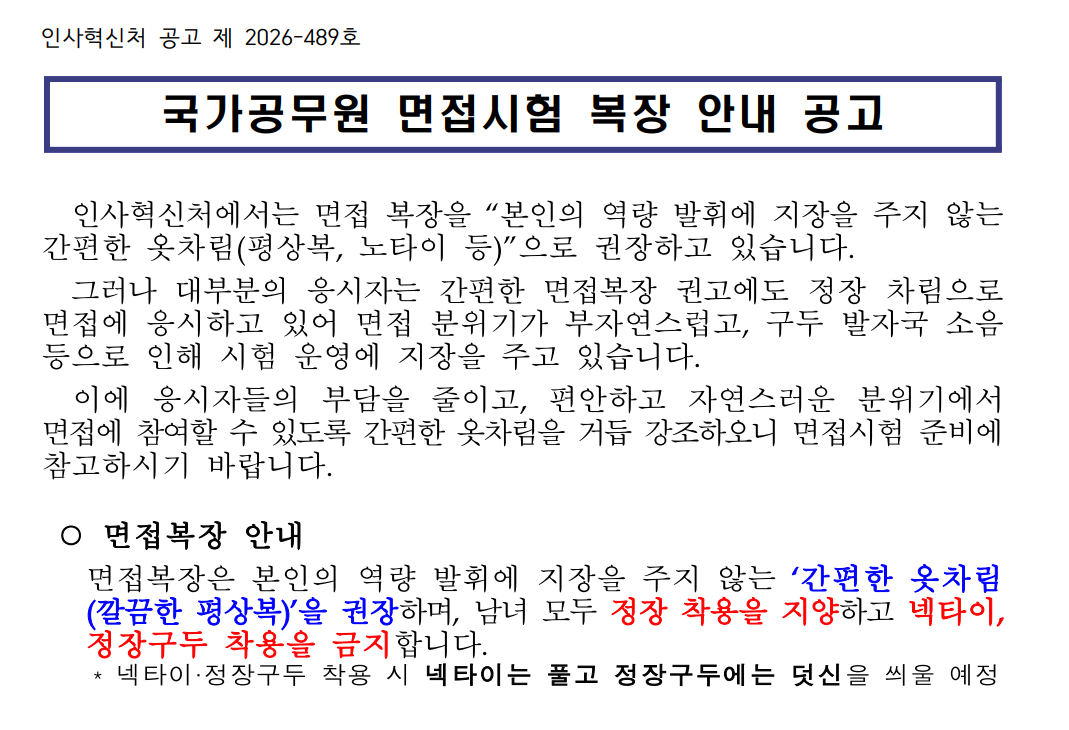
The Ministry of Personnel Management recently issued dress guidelines for national civil service interviews, advising applicants to avoid suits and prohibiting ties and dress shoes. The ministry said the policy was intended to reduce the burden on applicants and create a more comfortable interview environment.
The Korea Custom Tailoring Association pushed back. In a statement released Tuesday, the association called on the ministry to withdraw the dress guidelines entirely. While the association said it understood the intent to assess applicants on their merits and put them at ease, it said discouraging suits altogether went too far.
"Not requiring a suit and in effect banning one are completely different things," the association said. "Categorically excluding formal attire — which conveys professionalism and dignity in an official setting like a job interview — seriously infringes on applicants' freedom to choose."
The association also said recommending casual clothing in place of suits could actually increase stress for applicants. "Jackets and jeans recommended by the government vary enormously in price depending on brand and quality," it said. "This risks creating new confusion and psychological and financial pressure for applicants over what kind of casual clothing they are supposed to wear."
The industry is particularly concerned that the policy will influence dress norms beyond the civil service, spilling over into private-sector interviews and everyday workplace attire. "If people stop wearing suits even to job interviews, the perception may take hold that there is no reason to wear a suit to any important occasion," one industry official said. "If that attitude spreads, the wedding suit market will eventually take a hit as well."
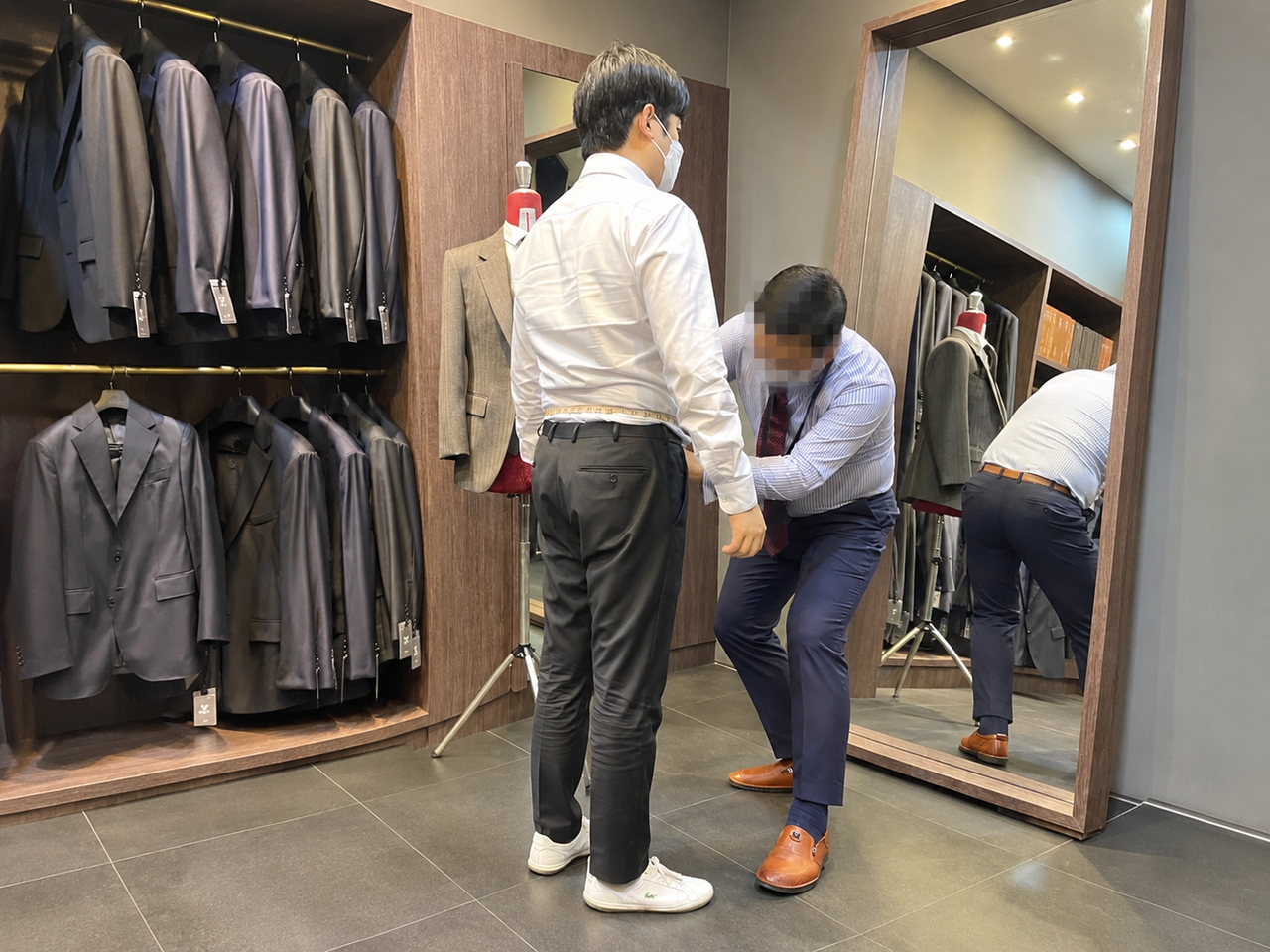
Gold medals abroad, a dying craft at home
The contraction of the bespoke suit market is also threatening the survival of specialized craft skills. Custom tailoring requires the ability to measure and analyze a client's body, draft a pattern to match, and then cut and sew the garment. The bespoke method — in which an individual pattern is created for each client and the suit is fitted through multiple sessions — demands years of experience and a high level of skill.
According to the association, Korean bespoke tailoring has earned recognition on the international stage. Last year's 40th World Federation of Master Tailors congress, held in Busan, drew about 500 tailors from roughly 40 countries for an international fashion show, pattern-cutting competition and technical seminars. The Ministry of SMEs and Startups, the Ministry of Employment and Labor and the city of Busan were among the event's sponsors.
This year, at the 29th Asian Custom Tailoring Federation congress held in Bali, Indonesia, the Korean delegation took gold medals in major categories including international pattern cutting, international junior pattern cutting, mannequin formal wear and creative design.
Even as Korean tailors win recognition abroad, the industry at home continues to grapple with a shrinking market and the difficulty of passing on its craft. The contradiction has drawn criticism from within the industry: the government sponsors international events promoting Korean bespoke tailoring while simultaneously discouraging suits at civil service interviews.
"The government on one hand supports the skilled craftsmanship and international competitiveness of bespoke tailoring, while on the other discourages the wearing of suits — this inconsistency in policy needs to be reconsidered," the association added.
boo@heraldcorp.com