Ministry of Science and ICT hosts deep tech commercialization festival in Daejeon
South Korea is staging a major startup and investment event aimed at turning national strategic technologies — including quantum computing, aerospace and small modular reactors — into commercially viable businesses.
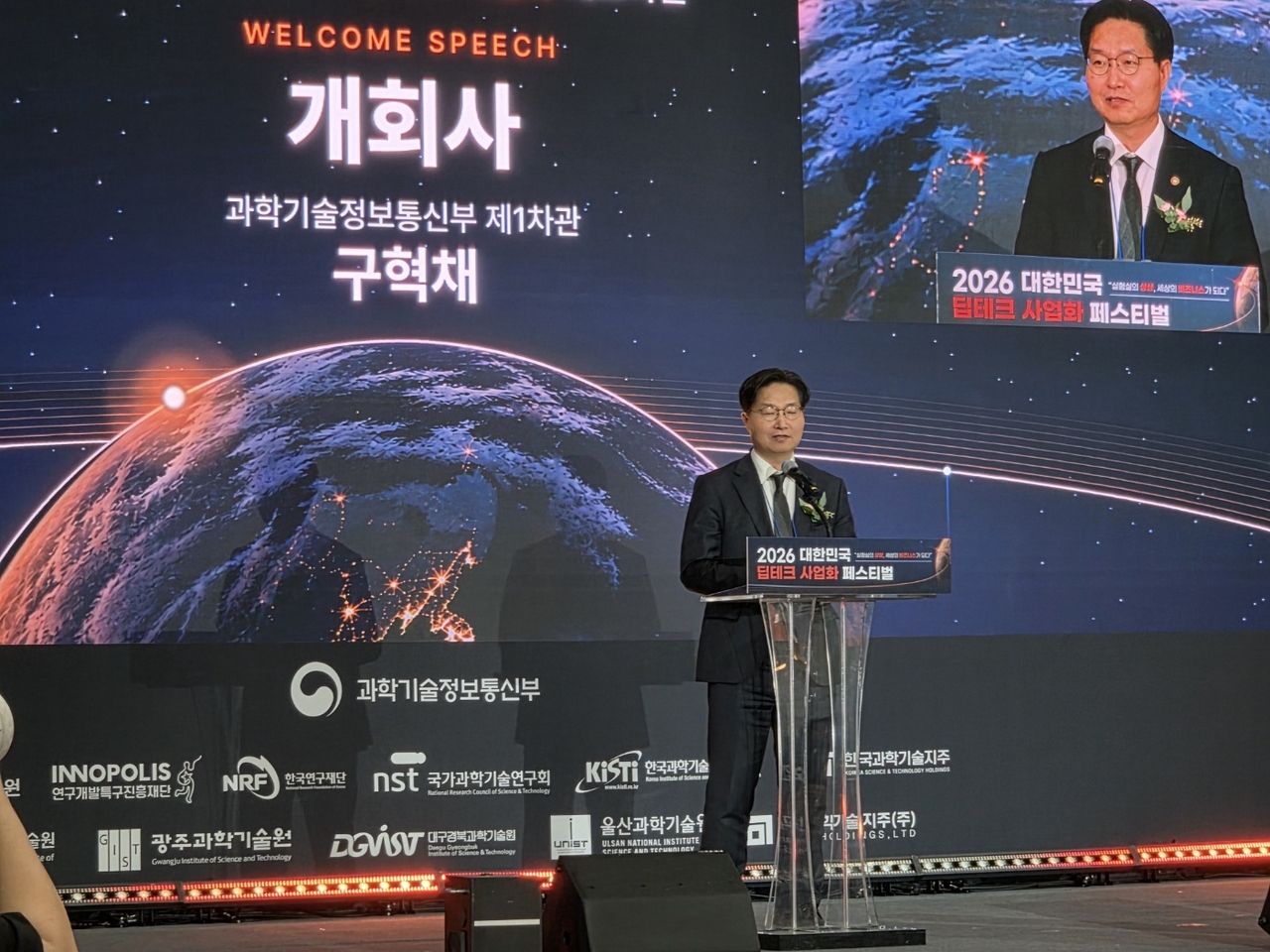
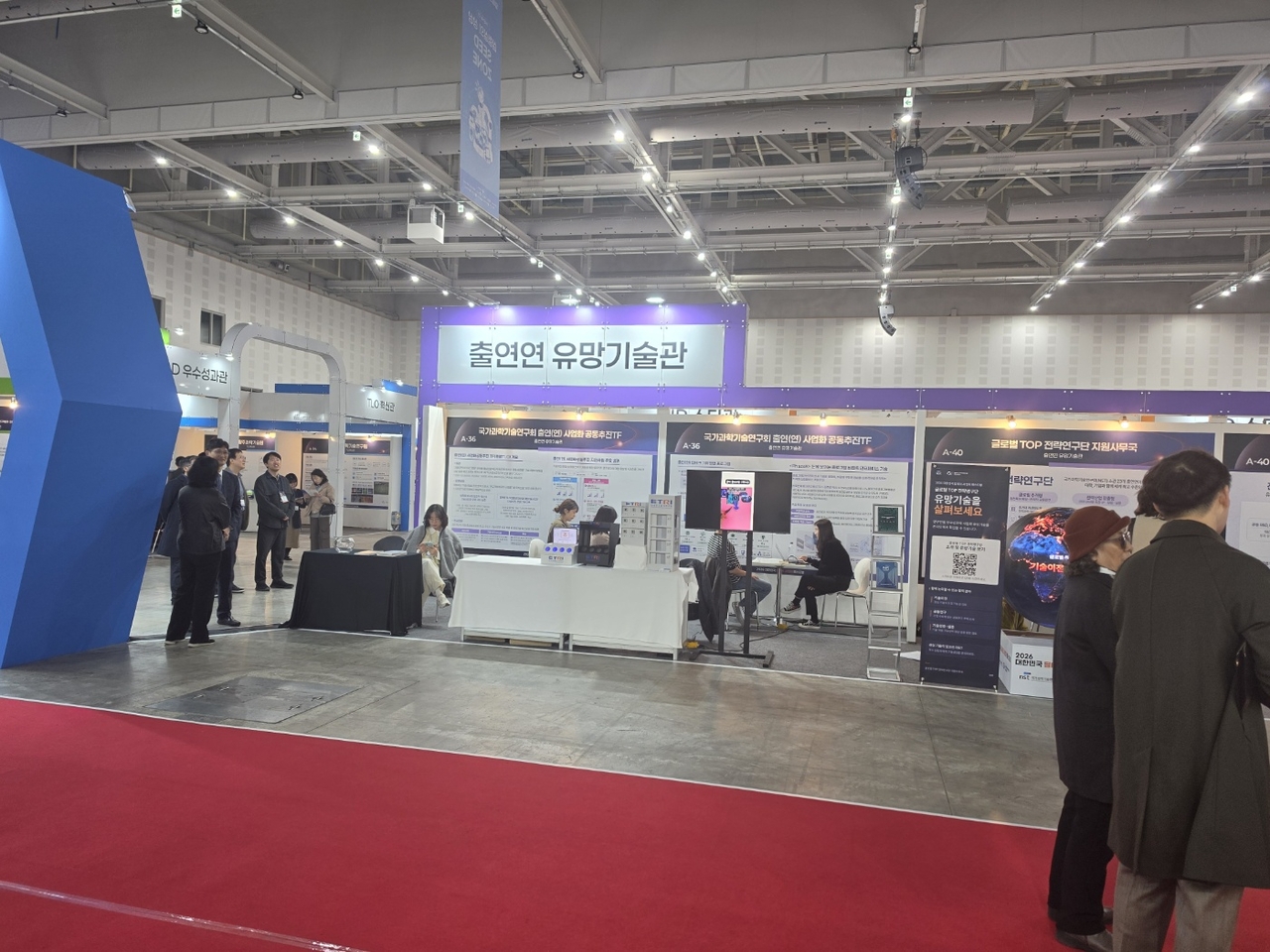
The Ministry of Science and ICT said it is hosting the 2026 Korea Deep Tech Commercialization Festival at the Daejeon Convention Center's second exhibition hall Thursday and Friday.
The event was organized to connect advanced technologies developed at universities and government-funded research institutes with startups, investors and commercial markets. The ministry is the lead organizer, with 11 co-hosting institutions including the Korea Institute for Advancement of Technology, the Innopolis Foundation, the National Research Foundation of Korea and the startup centers of the four major science and technology institutes.
The festival focuses particularly on commercializing technologies in the seven SEED sectors the government is cultivating as future growth engines.
The seven SEED sectors — small modular reactors, nuclear fusion, renewable energy, quantum technology, aerospace, advanced biotech and advanced supply chains — require substantial research and development investment and lengthy technical validation, but hold the potential to create entirely new industries and markets if successfully commercialized.
At the event, an investment-pitching program called "Catch the Investment" featured seven deep tech startups, one from each of the seven SEED sectors, presenting to prospective investors.
Participating companies introduced their technologies, business models and growth potential to investors and explored funding opportunities. Investment reviews totaling 5.6 billion won ($4.19 million) were announced at the event, though whether and to what extent the funds will actually be committed will be determined after further due diligence.
Efforts to lower the institutional barriers that have hindered researcher-led startups also drew attention.
The Council of Heads of Government-funded Research Institutes presented certificates of appreciation to lawmakers Cho In-cheol and Hwang Jeong-a for their contributions to amending legislation that addresses conflicts of interest arising when researchers start companies or transfer technology.
The two lawmakers sponsored bills to revise the institutional laws governing government-funded research institutes and the four major science and technology institutes. The legislation passed the National Assembly plenary session in August.
Cooperation among agencies that support the commercialization of public research outcomes is also set to deepen.
Eleven institutions — including the Korea Institute for Advancement of Technology, the Innopolis Foundation, the National Research Foundation of Korea, the startup centers of KAIST, GIST, DGIST and UNIST, the National Research Council of Science and Technology, the Korea Institute of Science and Technology Information, Korea Science and Technology Holdings, and Mirae Science and Technology Holdings — jointly declared a shared vision and signed a memorandum of understanding.
The institutions plan to strengthen a support system spanning the full cycle from research and development through technology transfer, startup formation, investment and corporate growth.
"South Korea's future growth engines become far more powerful when innovative technologies born in the laboratory lead to startups and new industries," First Vice Minister of Science and ICT Koo Hyeok-chae said. "Deep tech, including the seven SEED sectors, demands a long time and significant investment, but success can reshape entire industries and create new markets."
nbgkoo@heraldcorp.com