- Korea Research Institute of Bioscience and Biotechnology develops rapid diagnostic platform combining nanotechnology and AI
- System detects trace amounts of drugs in urine for use in investigations and emergency medicine
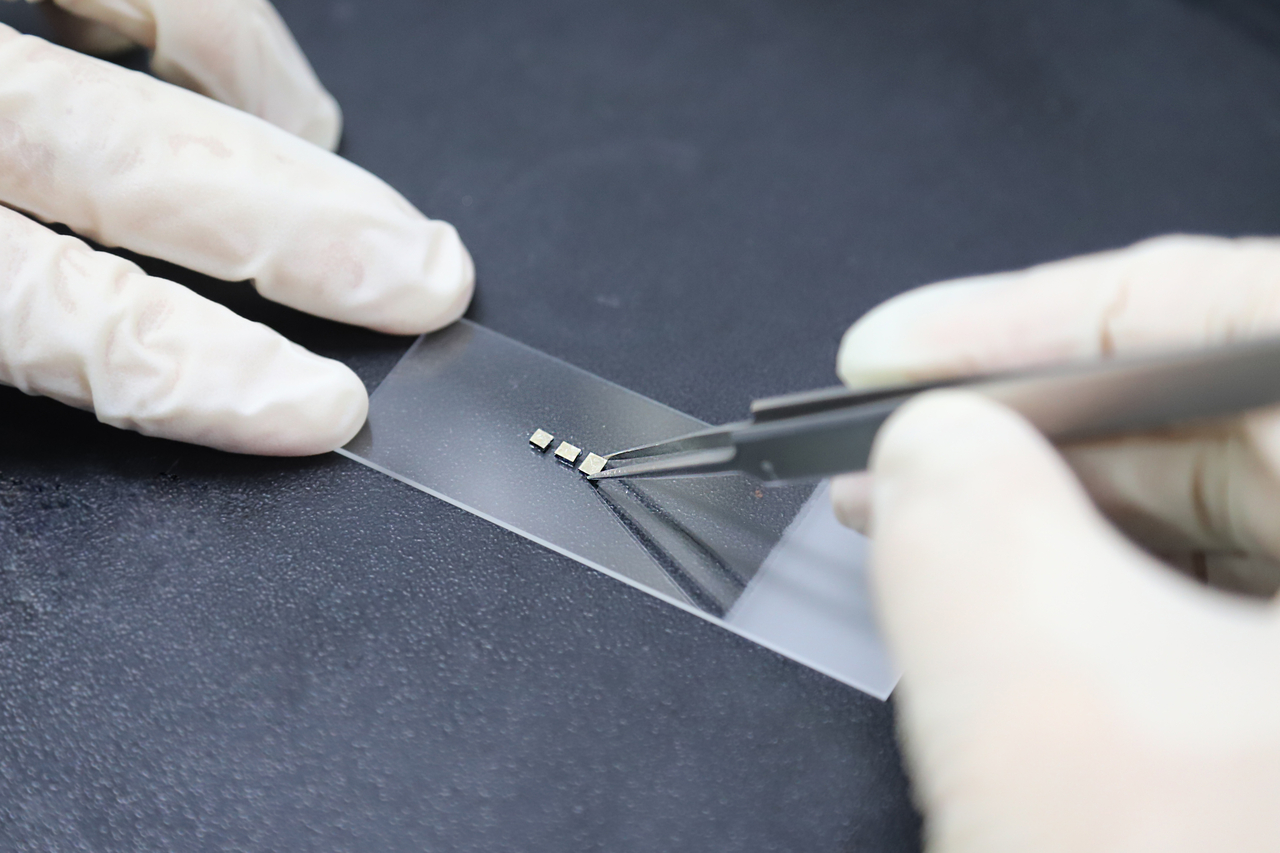
A single drop of urine. Five minutes. That is all it takes to determine whether someone has used drugs, according to a new technology developed by South Korean researchers.
The Korea Research Institute of Bioscience and Biotechnology announced Thursday that a research team led by Dr. Lim Eun-kyung of its BioNano Research Center — working jointly with Daegu Catholic University Professor Kim Tae-hwan, Bundang Seoul National University Hospital Professor Lee Jun-hee, and the Stonlab AI Research Center — has developed a nano-AI diagnostic platform that detects drug compounds in urine within five minutes without any chemical pretreatment of the sample.
The need for fast, accurate on-site drug detection has grown as drug-related crime has increased in recent years.
Conventional precision testing offers high accuracy but requires complex sample preparation and expensive specialized equipment. Rapid field test kits, by contrast, are quick but have struggled to detect trace amounts of drugs or distinguish them from other substances with similar chemical properties.
To address these limitations, the research team developed a nano substrate that amplifies the faint optical signals emitted by drug molecules by more than a millionfold.
The substrate consists of a thin gold base densely packed with nanometer-scale pillars and a roughened surface, designed so that when drug molecules come into contact with it, they produce a strong, characteristic light-vibration signal. This allows the platform to detect even trace concentrations of drug compounds in urine.
The team integrated AI analysis into the system. Using LightGBM, a machine learning algorithm, the platform identifies the unique "signal fingerprint" of drug compounds amid the complex signals generated by the many waste products and pharmaceutical metabolites found in urine.
In experiments using real urine samples, the system distinguished drug-positive results at roughly 80 percent accuracy even when painkillers and other medications were present. Animal experiments also confirmed that drug compounds could be detected in urine collected within six hours of administration.
The technology is significant because it combines the high detection performance of precision analytical equipment with the speed of a field test kit. Requiring only a small urine sample and no complex preprocessing, it opens the possibility of practical on-site diagnostic use.
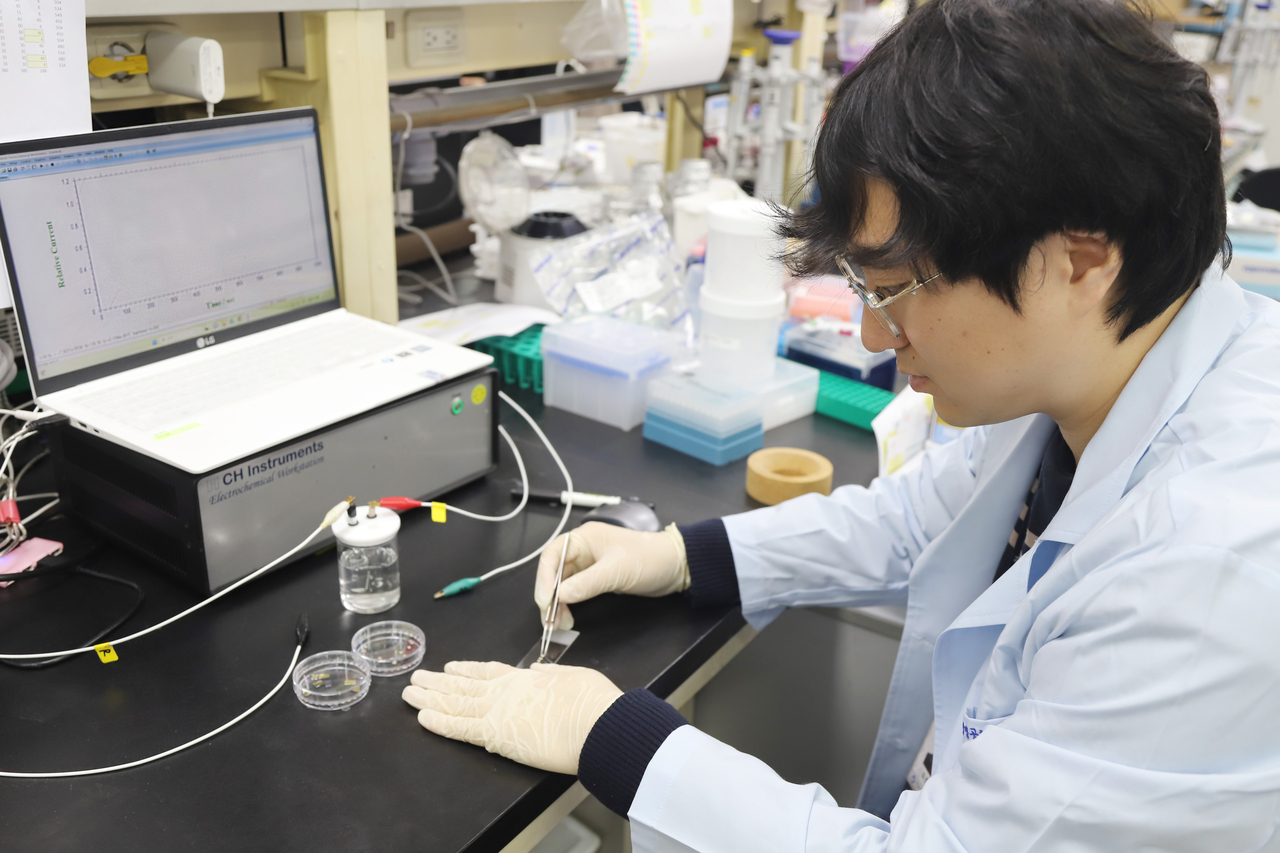
Additional validation will be needed before the technology can be applied in actual investigations or clinical settings. The research team plans to secure more clinical samples and advance the technology to identify not only whether drugs were used but also the specific type of drug involved. Development of a portable, compact measurement device is also underway.
The team expects the platform to eventually find use across a range of medical and forensic fields, including on-site drug enforcement by police and diagnosis of drug intoxication in emergency rooms.
"This research demonstrates that by combining nanotechnology with explainable AI algorithms, we can precisely and rapidly classify drug compounds even in complex bodily fluids," Lim said. "We expect to further develop this into a portable diagnostic device for field use, which could transform the paradigm of drug enforcement and emergency diagnosis."
The findings were published in the September issue of ACS Measurement Science Au, an international academic journal.
nbgkoo@heraldcorp.com