Miniature camera scandal rattles exam supervisors
Teachers warn visual checks alone can't catch AI devices
Phones to be collected; signal detectors under review for next year
"First they need to cut the Wi-Fi. Next thing you know, they'll be asking us to strip down too." — an online commenter
South Korea's college entrance exam, now just four days away, is on high alert after the top scorer on this year's certified tax accountant exam admitted to cheating using a miniature camera and AI.
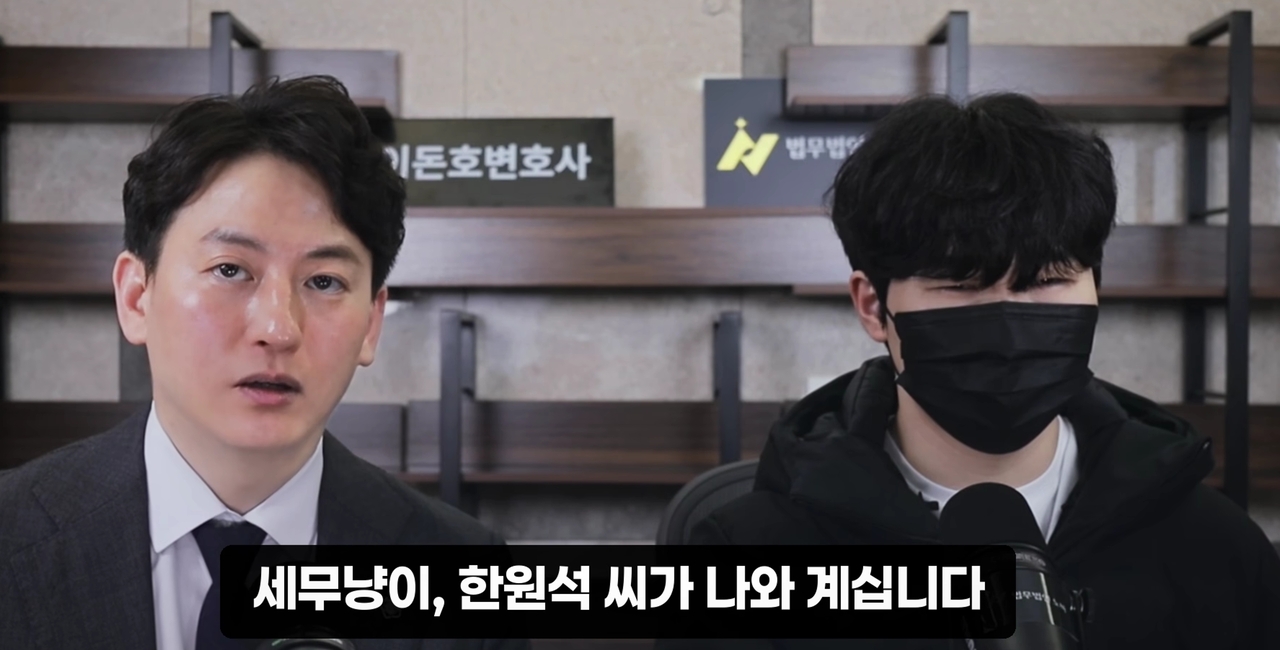
Han Won-seok, who topped the 63rd certified tax accountant examination this year, appeared Sunday on a lawyer's YouTube channel and said he photographed exam questions with a miniature camera during both the first- and second-stage tests, transmitted the images to an AI, and checked the answers on a smartphone. Han did not disclose the specific method used.
Han sat in the center of the second row from the front during the first-stage test and in the center of the front row during the second stage. Two proctors were present in the exam room, yet neither caught the cheating happening directly in front of them.
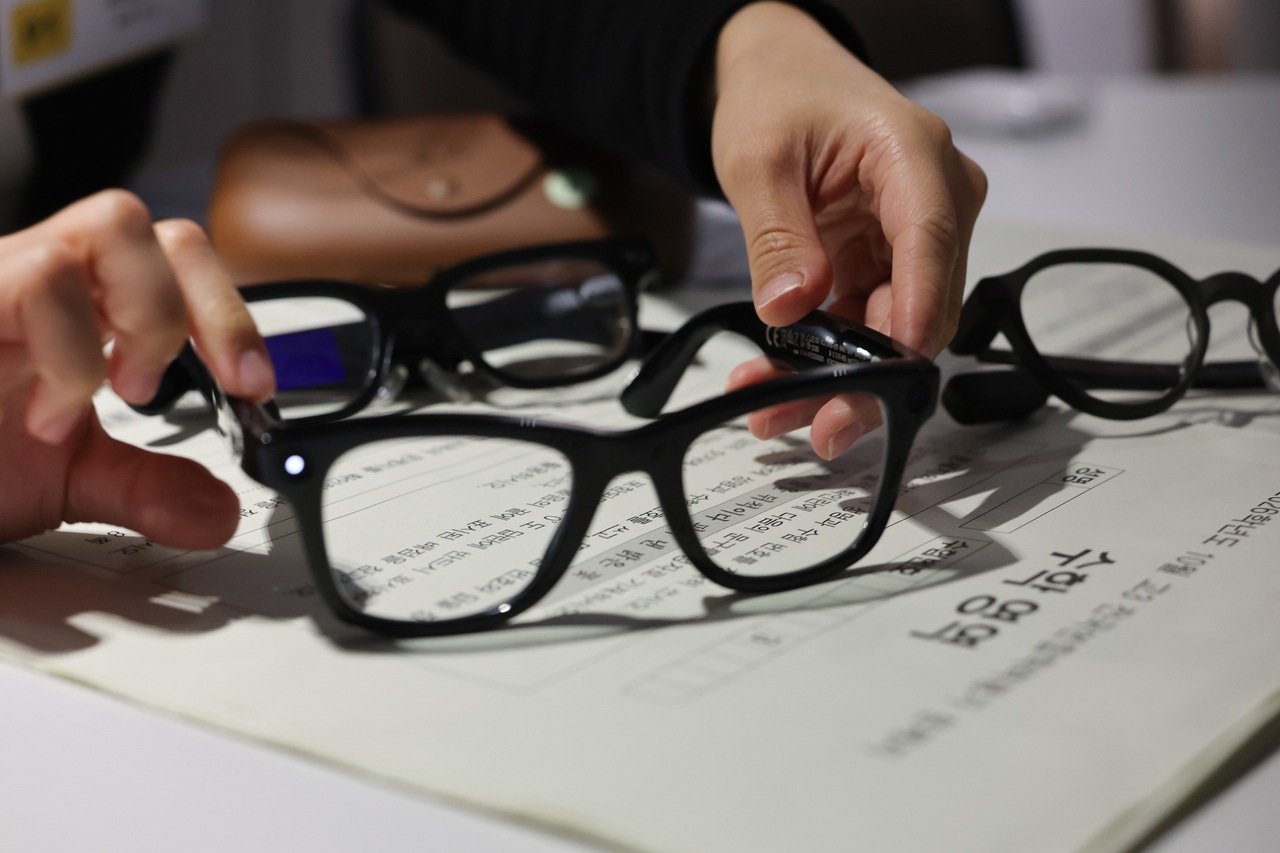
Education authorities had until now focused their attention on AI-enabled smart glasses. According to the Ministry of Education, all College Scholastic Ability Test venues nationwide on Thursday will ban electronic devices including mobile phones, smart glasses, smartwatches and Bluetooth earphones. Any device brought in must be surrendered before the first session begins, on the proctor's instruction.
"At CSAT venues, mobile phones are turned off and collected," a Ministry of Education official said, adding that the tax accountant exam operates under very different procedures and rules. Even so, a candidate who secretly attaches a miniature earpiece to their body may not be easy to detect.
This year, at least one dedicated officer trained to identify smart glasses will be stationed at each of the 1,312 exam venues nationwide. Teachers' organizations have called for additional personnel, arguing that a single officer cannot effectively monitor multiple exam rooms. The introduction of radio-frequency detectors is only at the review stage and will not be considered until next year, meaning this year's supervision will rely entirely on visual checks by proctoring staff.
Teachers say the pressure is immense. Failing to catch AI-assisted cheating could expose them to accusations of negligent supervision, yet scrutinizing test-takers too closely risks drawing complaints from anxious examinees.
Jang Seung-hyeok, a spokesperson for the Korean Federation of Teachers' Associations, said teachers are deeply anxious given the volume of complaints that come in from high-strung examinees. "There are cases where a teacher simply looks at a student too long while checking their ID photo against their face, and a complaint gets filed," Jang said. "We've even had complaints that a proctor walking around was disrupting the exam." Jang added that with AI-related devices advancing so rapidly, visual inspection alone has clear limits.
The government has also announced a zero-tolerance stance. The Office of the Prime Minister said Friday it would respond to cheating that undermines exam integrity with no leniency — invalidating the relevant test, stripping the offender of eligibility to sit the following year's exam, and referring cases for investigation. President Lee Jae-myung had also directed officials on Nov. 5 to draw up comprehensive measures to prevent cheating using smart devices across all examinations.
Meanwhile, claims have surfaced online that cheating using miniature cameras and earpieces had already been occurring, though no evidence was provided. One commenter alleged that brokers had been advertising miniature cameras to prospective cheaters, writing, "It's impossible to guess how many people have used this." Another commenter argued that authorities should rush to deploy radio-frequency detectors rather than focusing on smart glasses.
andy@heraldcorp.com