Classification varies by dietary guideline — US calls them 'vegetables,' UK lists them as 'starchy foods'
Harvard and UK health authorities exclude potatoes from vegetable intake targets
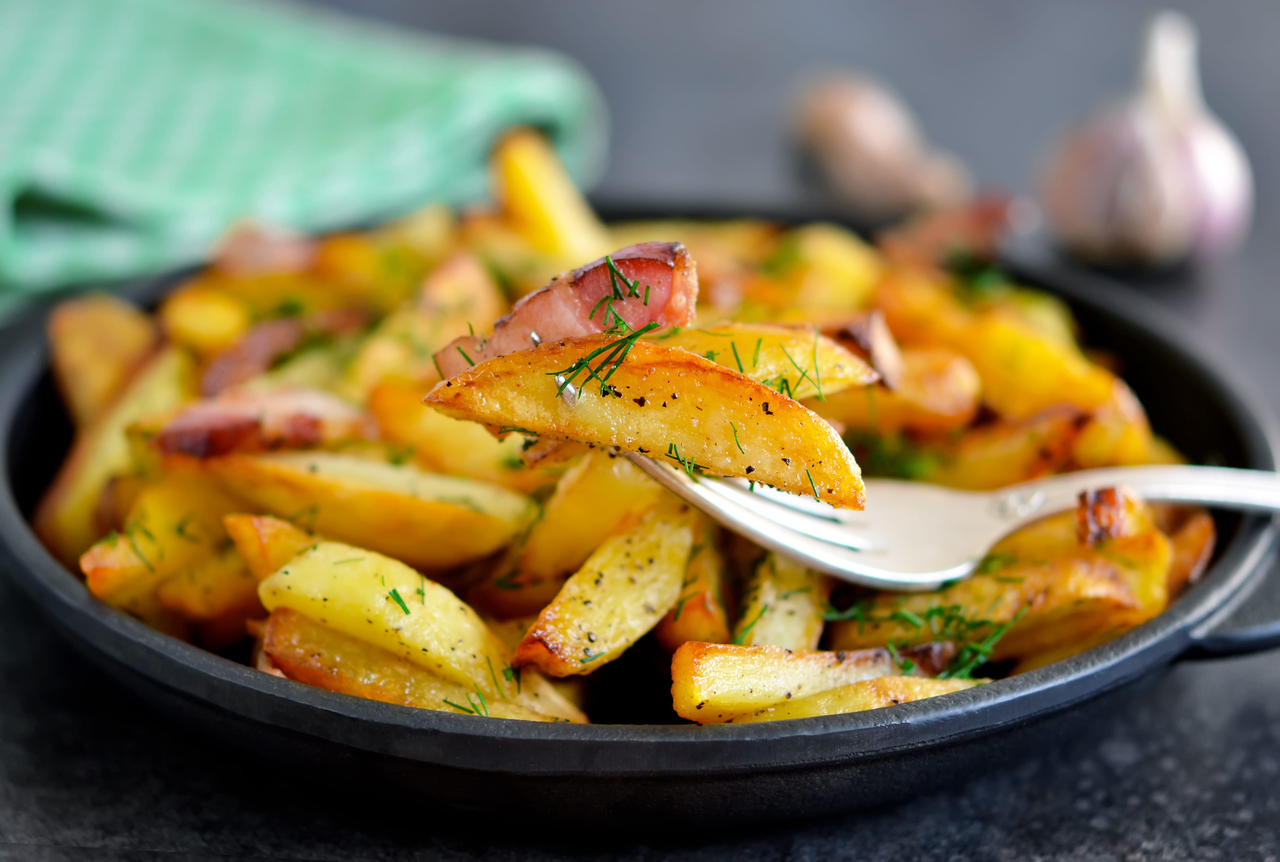
Does eating a potato count as eating a vegetable? Potatoes are commonly called vegetables, but some dietary guidelines and nutritionists do not count them toward recommended vegetable intake — because the role potatoes play in a diet differs from that of other vegetables.
The real question is not whether potatoes are technically vegetables. It is whether dietary guidelines should treat them like ordinary vegetables or as a carbohydrate source that substitutes for grains.
Under the US Department of Agriculture's MyPlate dietary guide, potatoes qualify as vegetables. The USDA divides vegetables into five categories based on nutritional characteristics, placing potatoes in the "starchy vegetables" group alongside sweet potatoes and corn — vegetables that are relatively high in starch. Under this framework, potatoes count toward daily vegetable intake.
However, the classification of potatoes sparked debate during the development of the 2025–2030 Dietary Guidelines for Americans. The Dietary Guidelines Advisory Committee examined how nutrient intake would shift if the recommended proportions of grains and starchy vegetables were adjusted. Its official review documents grouped starchy vegetables under the broader category of "major carbohydrate foods." When some observers interpreted this as an attempt to reclassify potatoes from vegetables to grains, the USDA said that was not the case.
The British government takes a different position. The National Health Service's Eatwell Guide classifies potatoes as "starchy carbohydrate foods," on the grounds that they serve a similar dietary function to bread, rice and pasta. In practice, potatoes are counted as a starch source in the daily diet, and fruits and vegetables are meant to be consumed separately.
Some nutrition experts also distinguish potatoes from other vegetables when planning meals. The Nutrition Source, a dietary guidance website run by the Harvard T.H. Chan School of Public Health, does not count potatoes as vegetables in its Healthy Eating Plate model. Instead, it advises that "when planning a meal, it is more helpful to count starchy potatoes as a grain or bread."
What these experts focus on is not the vegetable-versus-grain classification itself, but the nutritional role potatoes play in a diet. Viewing potatoes as a starch source, they say that when potatoes are eaten alongside other carbohydrate-rich foods, both total carbohydrate intake and cooking method deserve attention. If potatoes are served with rice or bread, for instance, the carbohydrates in the potatoes should factor into the overall carbohydrate count.
Nutrition experts recommend avoiding deep-frying methods such as french fries and potato chips. They suggest boiling or roasting potatoes and pairing them with olive oil, which helps slow the rise in blood sugar after meals and provides unsaturated fat in place of saturated fat. Plain Greek yogurt can substitute for butter or sour cream on baked potatoes. Eating potatoes with the skin on is also advisable, as most of their dietary fiber is found in the peel.


gorgeous@heraldcorp.com