New standards set for corrosion-free GFRP rebar in port construction
Wharf safety facilities, container dwell-time rules to be updated
Automated terminal design guidelines unveiled ahead of Nov. 27 public hearing
South Korea is set to introduce design standards for a new material that can replace steel rebar corroded by seawater in port construction. The revisions will also tighten requirements for vehicle barriers at wharves and life-saving equipment, and introduce design guidelines for automated container terminals.
The Ministry of Oceans and Fisheries announced Tuesday it will hold a public hearing on proposed revisions to port facility design standards and smart port technical materials at 2 p.m. on Nov. 27 at the Samkyung Education Center conference hall near Seoul Station.
The proposed revisions focus on improving the durability and safety of port facilities and filling gaps in design standards needed to adopt automation technology. Three revised codes under the port facility design standards (KDS) and two sets of practical technical materials will be released.
The most notable change is the introduction of standards for glass fiber-reinforced polymer (GFRP) rebar. GFRP is a composite material made by densely binding fine glass fibers, and it does not corrode when exposed to seawater.
The material matches conventional steel rebar in strength while eliminating the corrosion problems caused by salt exposure, and is expected to improve the durability of port structures and reduce maintenance costs.
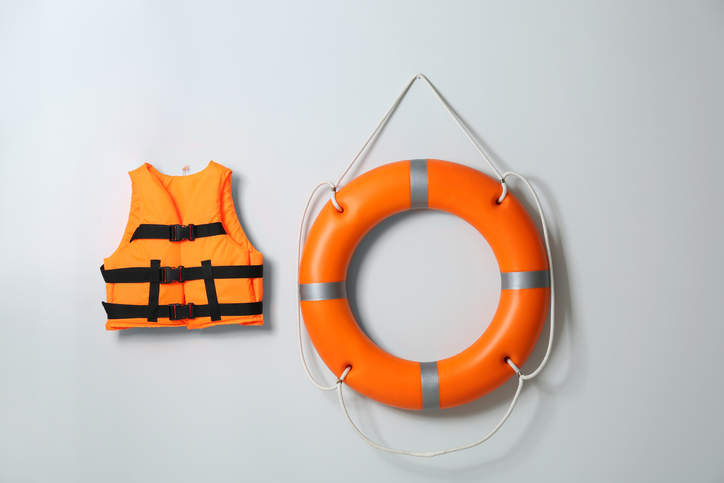
Safety standards at wharves will also be revised. Placement requirements for vehicle barriers — designed to prevent vehicles from going over the edge of a wharf — will be strengthened, and rules for storing water rescue equipment such as lifelines and lifebuoys in designated enclosures will be made more specific.
New design standards will also reflect actual container terminal operating conditions. Currently, no concrete basis is provided for calculating container dwell times, but the revised standards will include examples of factors to consider in that calculation.
Practical technical materials to support the development of automated ports will also be released.
The ministry has prepared a numerical simulation manual to help predict the flow and direction of seawater during the port design process, aimed at reducing inconsistencies in how practitioners interpret test results.
A design guideline for automated container terminals covers layout planning and road pavement considerations, and includes a checklist of items to verify during the design process to guide the construction of automated ports.
The public hearing is open to anyone with an interest in port construction, technology or on-site safety. Pre-registration is available through the Korea Port Association website until 6 p.m. on Nov. 25, and walk-in registration will also be accepted on the day of the event.
Kong Du-pyo, director general of the ministry's port bureau, said the ministry would "establish technical standards that improve the technological completeness and safety capabilities of ports by broadly gathering candid opinions from field engineers and experts," adding that it would "continue to work to strengthen engineering capabilities across the various specialized fields."
adastra@heraldcorp.com