A Chinese-language Telegram channel that advertised cheating assistance for the College Scholastic Ability Test and various professional certification exams — and solicited payments for equipment and services — appeared to have been taken down Wednesday afternoon.
The channel's public notice board, which had been used to post precautions and equipment prices for cheating, was removed with a message stating it "cannot be displayed because it violates local laws of the Republic of Korea," Yonhap reported Wednesday.
A private consultation channel and a chatbot channel also appear to have been deactivated, showing up as withdrawn accounts with a notice that the accounts have been frozen.
The channel is believed to have been created in 2025.
It had promoted rice grain-sized micro earpieces and button-shaped cameras, advertising cheating assistance for a wide range of exams — including the CSAT, graduate school entrance exams, corporate and language proficiency tests, as well as banking, police and national civil service exams.
The channel had grown to approximately 23,750 subscribers just before it was taken down.
The operator also posted a Korean-language notice on Monday claiming that a tax accountant exam passer who recently turned themselves in for cheating this year had used their services.
Online communities and social media had also carried claims that the operator recently threatened to expose users' cheating and demanded more than 10 million won ($7,470).
In response, the operator posted a notice around 11 a.m. Wednesday warning users not to be deceived by "unapproved false information delivered through channels other than the official channel," and saying that "impersonation scams by people posing as our staff are surging."
The operator also announced it would respond individually to each user by 6 p.m. that day, but the channel was taken down before that deadline arrived.
One day before CSAT: sanctions for cheaters to be sharply toughened
Separately, an unsettled atmosphere has continued to build ahead of Thursday's CSAT as the prospect of AI-assisted cheating — unprecedented in scale — has come under intense scrutiny.
The Democratic Party of Korea and the government agreed Wednesday to pursue legislation that would extend the ban on retaking the CSAT for AI-assisted cheating from one year to 10 years, Yonhap reported. The decision came after a high-level party-government consultation held at the National Assembly on Wednesday morning, the day before the exam.
"We have decided to extend the period during which those who cheat using AI are barred from taking the CSAT — from one year to 10 years," Democratic Party Chief Spokesperson Park Seong-jun said at a briefing after the consultation. "We have also decided to pursue an amendment to the Higher Education Act to apply this retroactively starting with this year's CSAT."
Park added that the parties agreed to "drastically strengthen sanctions and punishment for cheaters and to push for legislative and institutional reforms to that end."
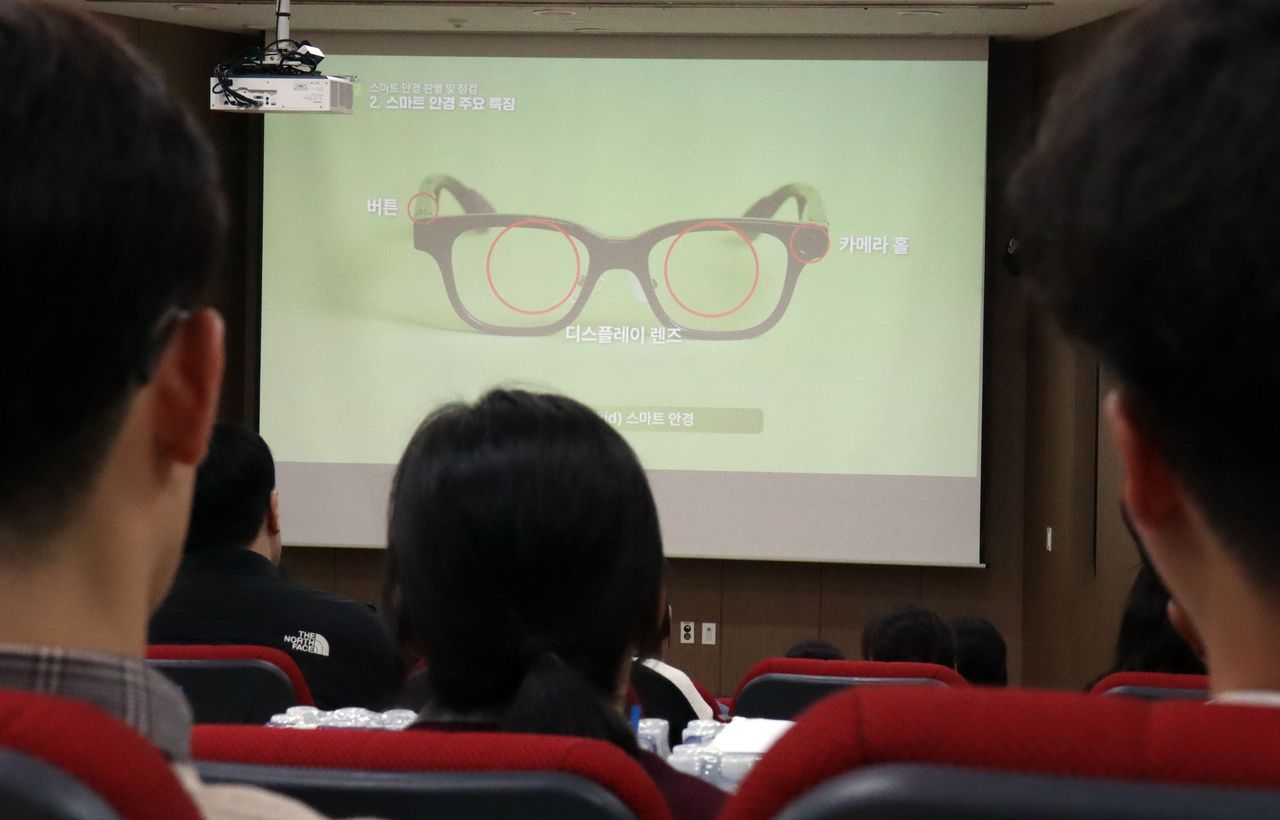
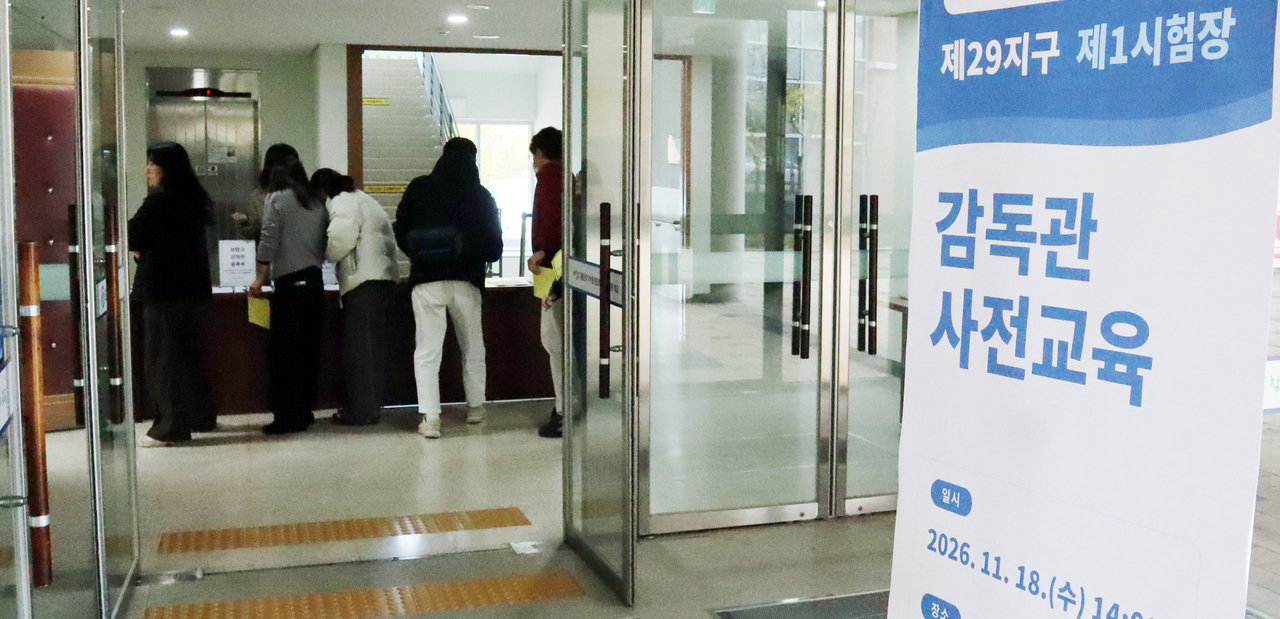
The government also decided to sharply tighten oversight at exam venues, including conducting comprehensive inspections for smart glasses and micro cameras, and deploying an additional 8,400 proctors to prevent cheating before it occurs.
On the question of blocking public Wi-Fi, authorities said that where a full block is not feasible given surrounding conditions, they would instead change Wi-Fi passwords without notice during the exam.
The government also drew up a plan to cover legal costs, including attorney fees, for proctors who face lawsuits arising from their efforts to respond to cheating, so that excessive liability does not fall on individual supervisors.
In addition, the government plans to pursue legislation that would require AI companies to submit exam question-and-answer data when the government requests it in connection with cheating investigations.
Regarding that measure, Park said he had been told that "four major big tech companies have agreed to cooperate actively."
yul@heraldcorp.com