Red Bull ranks No. 1 globally but sits third in South Korea — HK inno.N aims to change that
Kolmar plans to leverage the distribution network that made Condition the top hangover drink
Yoon, who turned a mid-size pharma into a 1-trillion-won company, is making another big bet
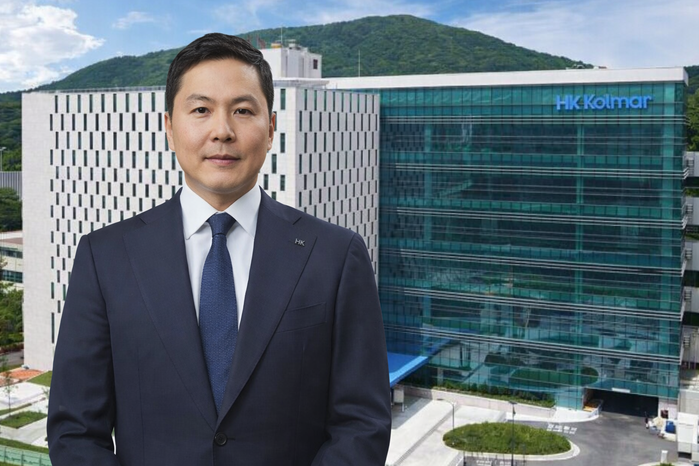
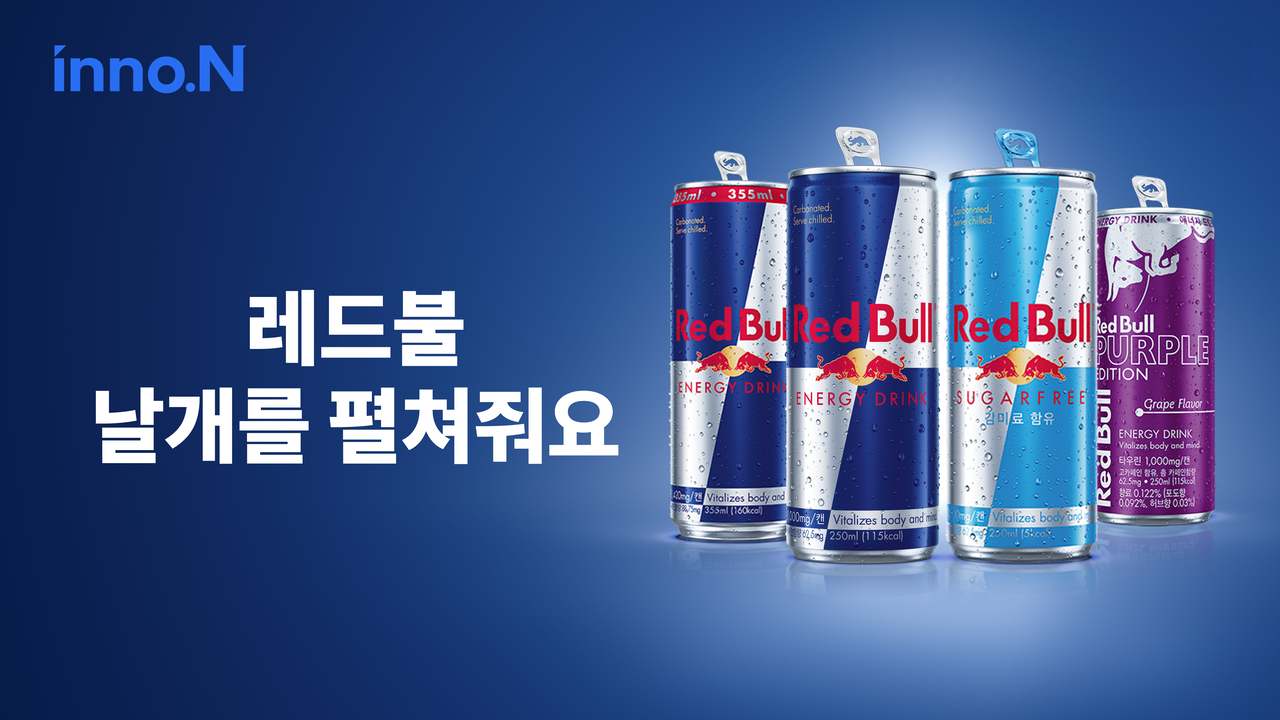
Kolmar Group has secured the domestic distribution rights for Red Bull, the world's top-selling energy drink brand. Vice Chairman Yoon Sang-hyun spotted a new business opportunity in South Korea's fast-growing energy drink market and moved swiftly to add Red Bull to the core portfolio of HK inno.N.
Starting this month, HK inno.N will distribute Red Bull through its nationwide offline sales network — built around convenience stores — that already carries a range of beverage products including Condition, Hut Gae Su, Saessak Bori Cha and Tirogue.
The plan is to combine the sales muscle and distribution reach that made Condition the No. 1 hangover-relief brand in the convenience store channel with Red Bull's global brand power, sharply lifting the energy drink's share of the domestic market.
Yoon personally drove the deal to the finish line: 'Red Bull has plenty of room to rebound'
Behind the deal lies Yoon's strong personal conviction. Yoon took part directly in the final stages of the distribution-rights negotiations, making clear how committed he was to the Red Bull business.
His reasoning: Red Bull dominates globally yet has languished in third place in South Korea's energy drink market, meaning HK inno.N's distribution network could unlock a strong turnaround.
"Red Bull is the world's No. 1 energy drink, but it has not been able to perform to its potential here," an industry official said. "A partnership with HK inno.N, which has a strong presence in the convenience store channel, makes a rebound very plausible."
A high-growth market expanding beyond its young-adult base
The energy drink market is on a steep upward trajectory both at home and abroad. According to market research firm Grand View Research, the global energy drink market was worth $85.3 billion last year and is projected to grow from $92 billion this year to $158.5 billion by 2033, a compound annual growth rate of 8.1 percent.
Red Bull, launched in Austria in 1987, posted record results last year: global sales rose 10.2 percent year on year to about 14 billion cans — the company's own press release puts the figure at approximately 13.9 billion cans sold across 178 countries in 2025 — while revenue climbed 8.6 percent to 12.2 billion euros ($13.4 billion), both all-time highs.
The domestic market tells a similar story. Even as overall beverage consumption has slowed, energy drinks have raced ahead. Lotte Chilsung Beverage's energy drink sales rose 11 percent last year to 107.2 billion won ($80.1 million), while energy drink sales at convenience store chains GS25 and CU jumped 26 percent and 18.3 percent, respectively, over the same period.
Energy drinks contain caffeine, taurine and other ingredients that help maintain alertness and support energy metabolism. They were once seen mainly as a late-night study or overtime-work staple.
More recently, however, the category has broadened its appeal to cover pre- and post-workout energy replenishment for runners and other outdoor activities. A survey by Macromill Embrain's Trend Monitor found that domestic energy drink spending from April last year through March this year rose 14.7 percent compared with the same period a year earlier. By age group, consumers in their 40s recorded the sharpest increase at 21.7 percent, followed by those in their 20s at 19.1 percent, those in their 50s at 14.6 percent and those in their 30s at 9.2 percent — a sign that the category is spreading well beyond its traditional 20s-and-30s base.
The CJ Healthcare acquisition that built a 1-trillion-won pharma — and the 'HK' DNA it passed on
This is not the first time Yoon has seized a business opportunity with a bold, decisive move. HK inno.N — formerly CJ Healthcare — has grown dramatically since Kolmar Group acquired it in 2018. At the time of the acquisition it was a mid-size pharmaceutical company with annual sales in the late 400 billion won range; last year it crossed the 1 trillion won mark, vaulting into the ranks of South Korea's major pharma companies.
When the company rebranded as HK inno.N in 2020, the "HK" in its new corporate identity was chosen to stand for Hankook Kolmar, signaling that the company would carry forward Kolmar Group's innovation DNA.
Under that innovation-driven ethos, K-CAB — South Korea's 30th domestically developed new drug, a treatment for gastroesophageal reflux disease launched in 2019 — accumulated outpatient prescription sales of 1.04 trillion won in the first half of this year and has driven the company's growth through technology-transfer and finished-product export agreements with 55 countries.
Diversifying beyond hangover drinks into the broader RTD market
Red Bull first reached South Korean consumers in 2011 with the launch of its 250-milliliter energy drink, then formally entered the market in September 2012 through a domestic distribution agreement with Dongsuh Beverage.
HK inno.N plans to use the Red Bull distribution deal as a springboard to expand beyond its existing hangover-relief and health-drink business into energy drinks, diversifying its product portfolio in the ready-to-drink market where convenience stores are the key sales channel.
"Building on the sales and distribution capabilities we have developed through our beverage business, we plan to steadily expand Red Bull's domestic distribution and strengthen its market position," a member of HK inno.N's beverage marketing team said. "We will continue to sharpen our competitiveness in the beverage business and introduce a wider range of products in line with evolving consumer demand."
silverpaper@heraldcorp.com