Red, inflamed skin. Then blisters. Then the skin began to crack and peel. That much, at least, was survivable — treatment at a larger hospital brought improvement.
But the ordeal was far from over. A routine follow-up revealed that the nephrotic syndrome had returned, and a subsequent diagnosis of glomerulosclerosis ultimately upended the life of the patient, identified only as A, and his family. He may now require lifelong dialysis.
The story begins in November 2012. A, suffering from unexplained nausea, lower-limb swelling, foamy urine and abdominal pain, was admitted to Chosun University Hospital in Gwangju. A physician there, identified as Dr. B, diagnosed him with nephrotic syndrome and prescribed a steroid medication, Calcort 6mg.
Nephrotic syndrome occurs when the kidneys — the body's filtration system — develop damage that allows protein to leak out through urine. Because the kidneys can no longer retain essential proteins, patients experience severe swelling around the eyes and feet, foamy urine and rapid weight gain. The protein loss also weakens the immune system.
Dr. B's prescription appeared to work. A took 18 tablets a day — six tablets three times daily — and was discharged in December. He continued taking the medication as prescribed after leaving the hospital.
Then things went wrong. In December 2012, A developed what appeared to be toxic epidermal necrolysis, the most severe and dangerous form of Stevens-Johnson syndrome, suspected to be a drug reaction.
Stevens-Johnson syndrome is an acute systemic skin and mucous membrane disorder that causes the skin to shed. It begins with spots, then progresses to blistering, widespread skin detachment and involvement of the mucous membranes, sometimes accompanied by severe systemic symptoms or damage to internal organs. More than 50 percent of Stevens-Johnson syndrome cases and 80 to 95 percent of toxic epidermal necrolysis cases are caused by drugs. Idiopathic cases with no identifiable cause account for only about 5 percent of patients.
When the condition worsens, it can progress to toxic epidermal necrolysis — a disease in which the skin essentially melts away as if from severe burns. It results from an excessive immune response to a specific drug, in which immune cells turn on the skin itself. Early symptoms resemble a common cold, but as the acute phase sets in, red blotches and blisters appear across the skin.
The emergency room at Chosun University Hospital was unable to stabilize A. His condition deteriorated further — his pupils dilated and his breathing stopped.
In January 2023, A was transferred to Asan Medical Center in Seoul, where he improved and was discharged two months later. But that October, the nephrotic syndrome relapsed. He was discharged again in December of that year, yet faced not only prolonged treatment but the prospect of permanent kidney failure requiring ongoing dialysis.
Court dismisses all claims, finds no improper prescription
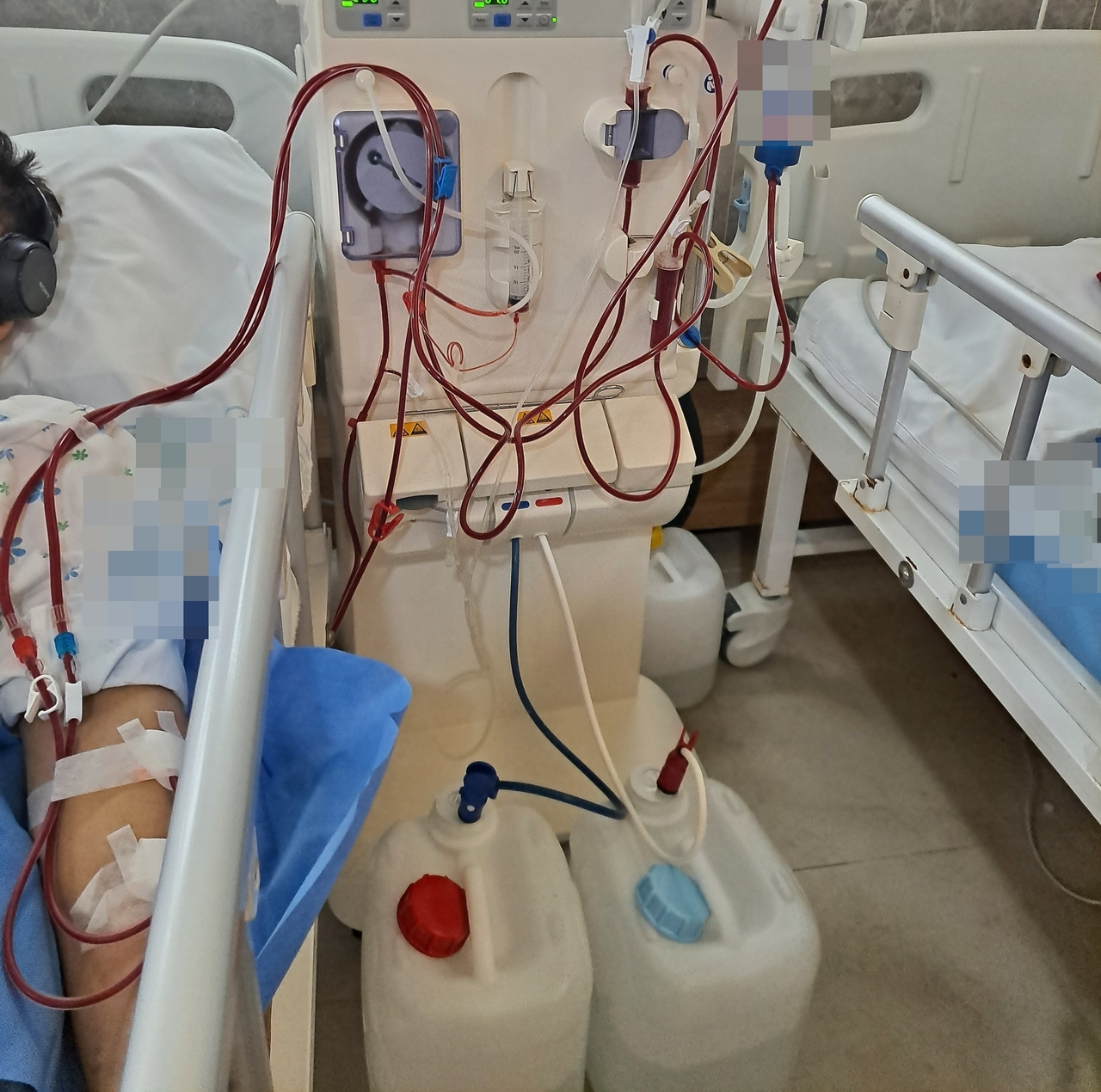
A and his family felt they could not let the matter rest. Stevens-Johnson syndrome, a rare disease, is caused in the vast majority of cases by drugs — which is precisely why medical guidelines call for immediately identifying and discontinuing the suspected medication.
The causative drug is typically one introduced within the previous four weeks or one already known to carry a high risk. That reasoning led A and his family to challenge Dr. B's prescription at Chosun University Hospital.
They argued that Dr. B had failed to prescribe appropriately, and that this negligence caused A's adverse drug reaction. They added that even after symptoms appeared, the hospital's follow-up care was inadequate and allowed the condition to worsen.
The 14th Civil Division of the Gwangju District Court, presided over by Judge Jo Jeong-ung, rejected all of A's claims. The court acknowledged four points: the steroid prescription as a recognized treatment for nephrotic syndrome; the onset of symptoms after A took the medication as prescribed; the improvement following transfer to Asan Medical Center; and findings by the Korea Medical Dispute Mediation and Arbitration Agency that the drug was likely the cause of the symptoms.
Even so, the court said there was "no evidence" that the prescription itself was wrong, that the dosage was excessive compared with standard practice, or that the physicians at Chosun University Hospital acted inappropriately.
The court said the hospital had administered steroid medication to treat A's symptoms, discontinued the suspected causative drug, and then injected Liv-Gamma — an immunoglobulin used to strengthen immune function or suppress abnormal immune responses — adding that "these measures appear appropriate in light of current medical standards."
The court also said it was "difficult to view as belated" the decision to begin steroid treatment the day after A arrived at the emergency room rather than immediately upon arrival, noting that the delay was necessary to assess A's condition and medication history. It added that Asan Medical Center had administered the same antibiotics, systemic steroids, antihistamines and nonsteroidal anti-inflammatory drugs as Chosun University Hospital, which the court said supported the earlier hospital's approach.
Ultimately, A and his family's damages claim of approximately 100 million won ($67,900) was dismissed in full.
Attorney Jo Jin-seok: Specific duty of care must be examined
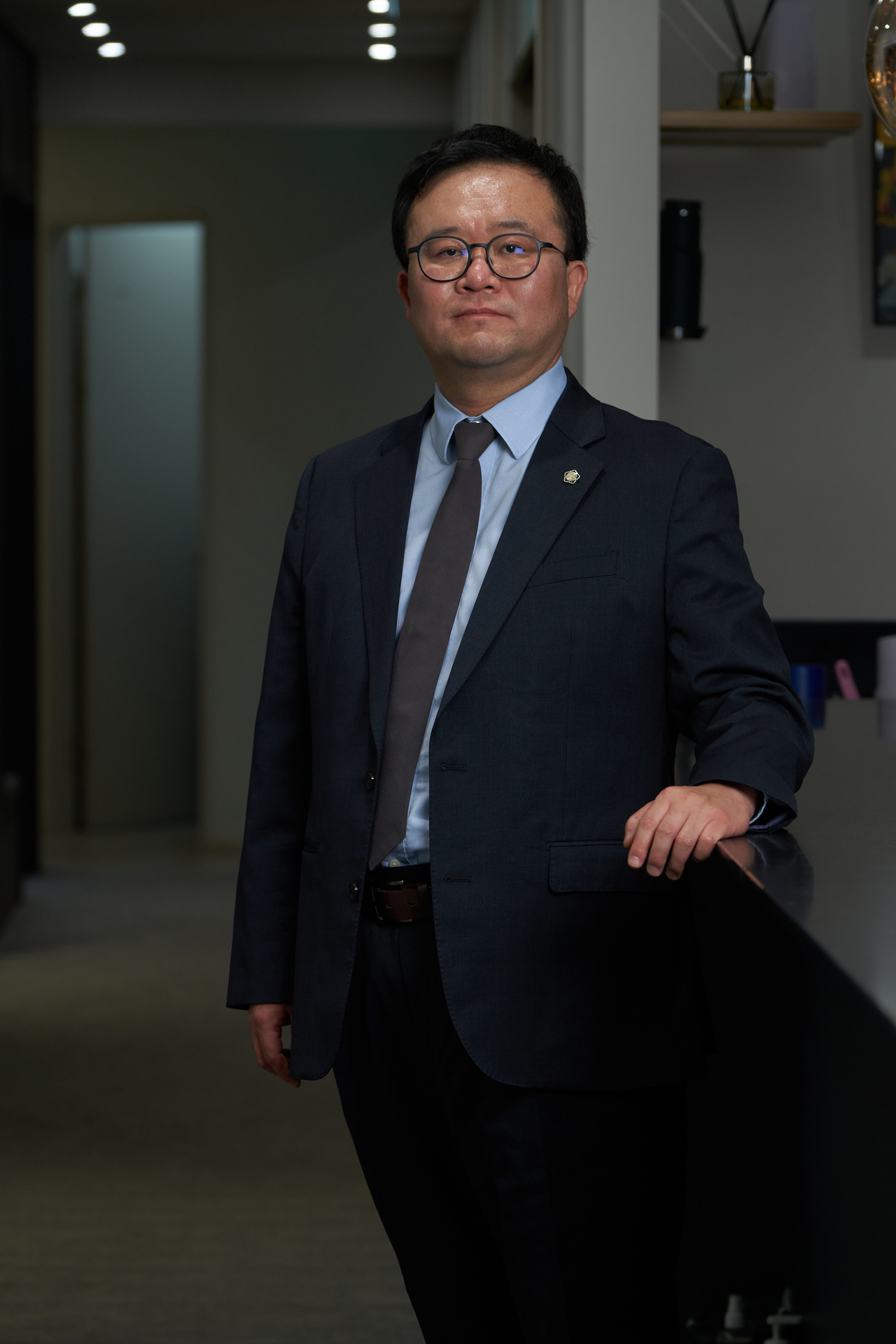
Attorney Jo Jin-seok of law firm O'Kims expressed sympathy for A and his family, while noting that establishing liability for medical negligence requires a detailed examination of the specific duty of care involved.
The argument put forward by A and his family, he said, remained at an "abstract" level — essentially that Chosun University Hospital and Dr. B had failed to provide optimal care after Stevens-Johnson syndrome symptoms appeared, without specifying which particular measures fell short.
Jo also made clear that in cases of nephrotic syndrome, which can present with proteinuria, foamy urine and edema, prescribing steroids or other immunosuppressants is standard practice — meaning the responses at both Chosun University Hospital and Asan Medical Center were medically unproblematic.
That, he said, is likely why the court found it difficult to rule in A's favor.
"The medical validity of each individual response measure taken by the Chosun University Hospital medical team for Stevens-Johnson syndrome should have been examined, and the specific content of the duty of care should have been identified," Jo said. "It would have been advisable to argue and demonstrate that the duty of care was not carried out to an appropriate standard."
He went further, saying that even for a rare condition like Stevens-Johnson syndrome, the physician should have explained the possibility of side effects to the patient before prescribing and obtained informed consent.
"Under established case law, unless the patient is an emergency case or special circumstances apply, a physician has a duty to provide advance explanation so that the patient has the opportunity to decide for themselves whether to undergo surgery or medication," Jo said. "A physician's duty to explain cannot be waived simply because the anticipated risks to life or body, or the side effects, have a low probability of occurring."
"If the risks and side effects are typical hazards that arise during treatment, or if they are serious and irreversible, they must be disclosed even if the likelihood is low," he added, and went on to say that "if a physician proceeds without such an explanation and without the patient's consent, it constitutes an unlawful act that violates the patient's right to consent, even if there was no clinical negligence in the treatment itself."
Jo also advised that "even for an extremely rare drug side effect such as Stevens-Johnson syndrome, the physician should have warned A of the possibility before prescribing and obtained his consent," adding that it was worth examining whether that explanation had been given adequately.
ko@heraldcorp.com