Merger expected to boost competitiveness, cut costs
Large-scale MRO infrastructure on track
SKYPASS and Asiana Club to be unified
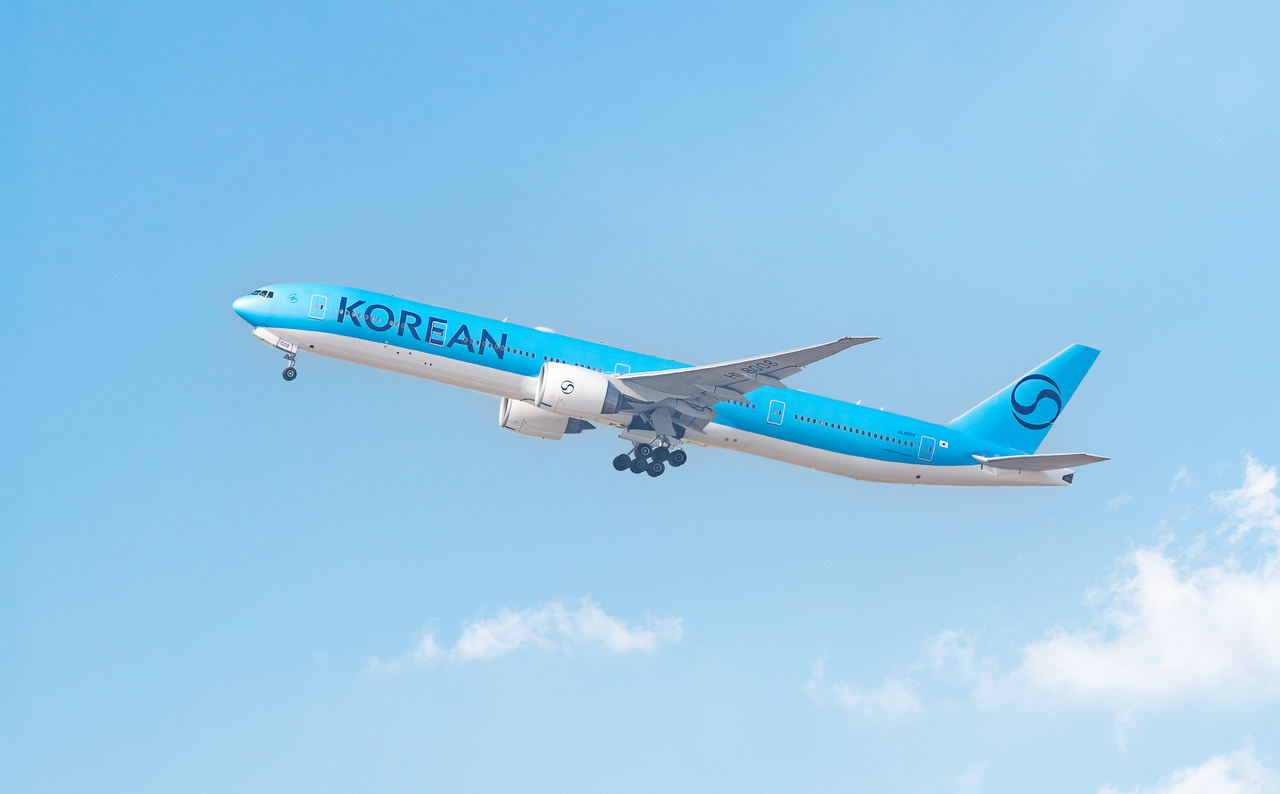
Korean Air is set to pursue wide-ranging synergies through economies of scale as it completes its merger with Asiana Airlines. Rather than simply growing in size, the airline plans to integrate the core assets of both carriers to improve asset utilization and generate new revenue streams.
According to industry sources, Korean Air will formally merge with Asiana Airlines on Dec. 17, treating the enlarged business base as a springboard for its next phase of growth.
Korean Air expects the merger to deliver synergies across five areas: new revenue generation, stronger purchasing competitiveness, cost reduction, improved productivity of airport operational resources, and enhanced maintenance competitiveness. The plan is to combine the assets, technology and operational experience of both carriers to cut overlapping costs and raise productivity, while channeling the expanded business base into new revenue opportunities.
In the aviation industry, the efficient operation of high-value assets such as aircraft and engines is a key determinant of competitiveness. A merger between airlines carries particular significance because it goes beyond simply expanding the scale of operations — it enables the two sides to share resources across the entire business, from procurement and flight operations to maintenance, generating tangible synergies in the process.
Competitiveness gains and cost savings in focus
One of the most prominent synergies expected from the merger is stronger purchasing competitiveness. Combining the procurement volumes of both airlines will increase the scale of supply purchases and strengthen negotiating leverage. By consolidating what were previously separate purchasing contracts into joint tenders and agreements, Korean Air will be able to secure more favorable unit prices and contract terms from suppliers.
The expansion of the combined fleet's core aircraft types is also expected to significantly boost maintenance competitiveness. As the number of identical aircraft and engines grows after the merger, the procurement and supply of shared components will become far more efficient. This will lay the groundwork for diversifying into new business areas, including pooling arrangements for the joint procurement and mutual use of parts.
On the financial side, economies of scale will enable meaningful cost reductions. The enlarged asset and business base will strengthen Korean Air's negotiating position in financial markets, allowing it to lower costs related to insurance premiums and interest expenses. Aircraft operating lease agreements will also benefit from the consolidation of contract terms and operational scale, yielding more favorable conditions. By integrating contracts and financial resources that were previously managed separately, the airline aims to reduce the cost burden associated with aircraft operations and improve overall financial efficiency.
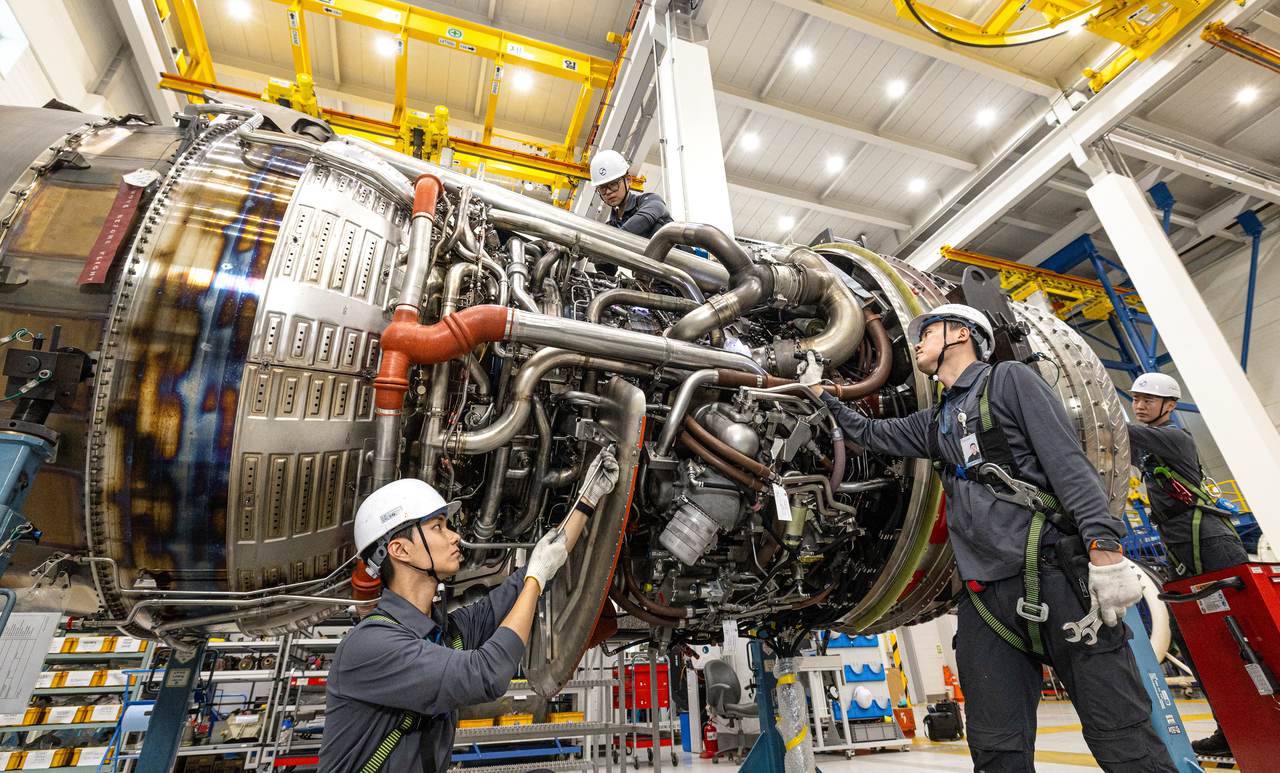
Consolidating the management of spare engines and other assets essential to aircraft operations will also allow Korean Air to deploy resources currently spread across both carriers far more efficiently. Reducing redundant holdings of surplus assets will free up operationally available equipment for leasing and other revenue-generating activities.
Integrating airport operational resources will further contribute to cost savings and productivity gains. Consolidating the offices, ground handling facilities and lounges that both airlines have operated separately at major airports around the world will eliminate overlapping facility costs. IT infrastructure and business systems will likewise be unified into a single framework to minimize duplicated investment and enable more efficient deployment of personnel and facilities where they are needed most.

In-house maintenance, repair and overhaul capability is expected to become a core competitive strength of the merged carrier. Aircraft engine and airframe maintenance demands advanced technical expertise, specialized personnel and large-scale facilities. The merger brings together the maintenance capabilities of both airlines, expanding in-house capacity and improving the efficiency of maintenance resource utilization. The growth in fleet size will also support the development of new maintenance capabilities and improve cost-effectiveness, enabling the airline to handle work previously outsourced to foreign specialists. This will reduce outsourcing costs and allow for more flexible maintenance scheduling.
MRO infrastructure build-out on track
Large-scale maintenance infrastructure is also progressing on schedule. A new engine maintenance factory under construction in the Unbuk district of Yeongjongdo, Incheon, is the centerpiece of this effort. Targeting operations by 2027, the facility — set to be the largest engine maintenance hub in Asia — will play a critical role in performing in-house maintenance on the expanded fleet and next-generation engines. Looking further ahead, Korean Air expects to leverage its in-house maintenance capabilities to take on work from other airlines, broadening its business scope.
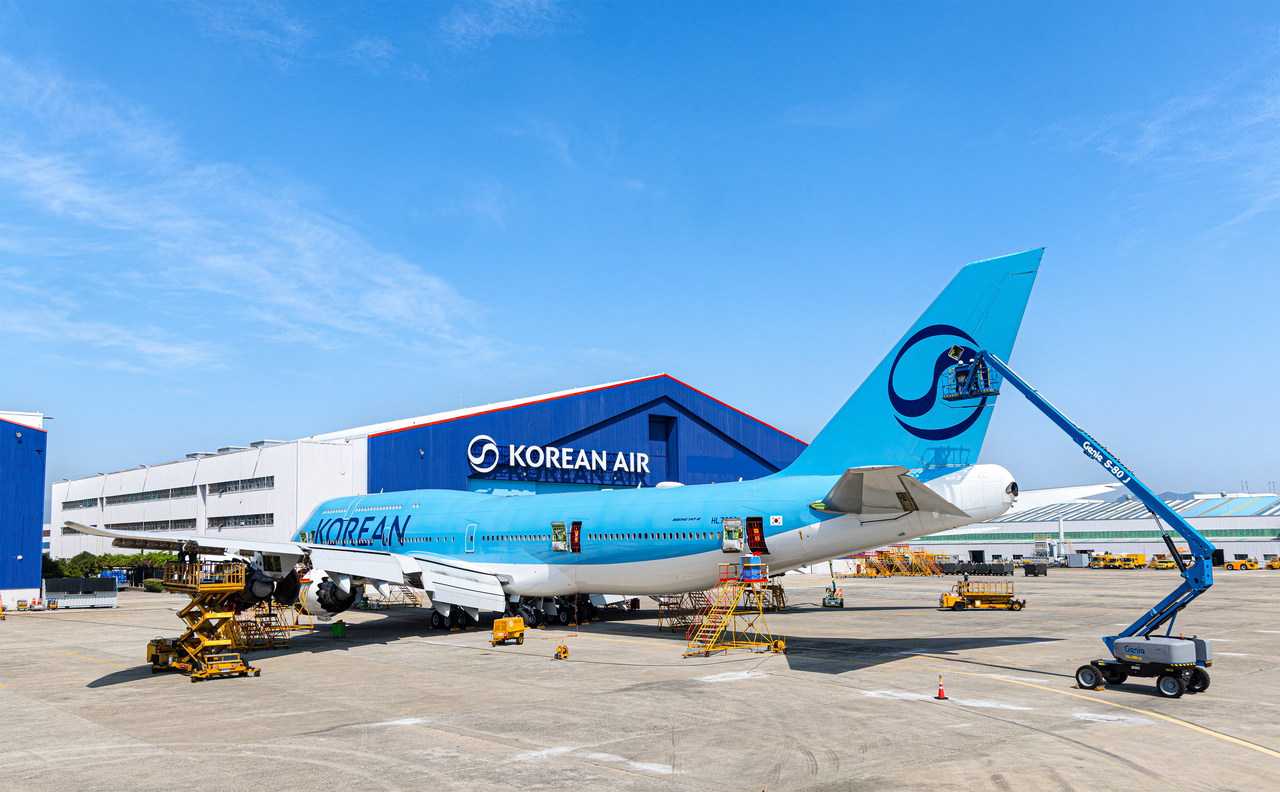
A new maintenance hangar to be built near Incheon International Airport will serve as another key piece of infrastructure to meet post-merger maintenance demand. The large-scale facility will be capable of simultaneously accommodating two wide-body or medium-body aircraft and one narrow-body aircraft, with groundbreaking targeted for 2027 and operations slated to begin by the end of 2029. The combination of both carriers' maintenance capabilities and expanded infrastructure is expected to reduce reliance on outsourcing while improving maintenance productivity and operational efficiency.
The integration of both airlines' loyalty programs is also expected to expand customer benefits and improve convenience. Korean Air's SKYPASS and Asiana Airlines' Asiana Club will be merged into a single unified membership system, growing the combined member base and broadening the airline's customer reach. Korean Air also plans to analyze members' usage data and behavioral patterns to better understand individual preferences and demand, and to deliver services tailored to each customer's profile. Through these efforts, the airline aims to widen customers' range of choices, offer more differentiated benefits and raise overall satisfaction.
"We will fully realize economies of scale by consolidating the business scale and core capabilities of both carriers — strengthening purchasing competitiveness and maximizing operational efficiency — to generate integration synergies in earnest," a Korean Air official said. "We will go further to secure differentiated competitiveness in the global aviation market and grow into the world's most beloved airline."
pooh@heraldcorp.com