The district signed MOUs with 8 local institutions including day care centers, expanding its integrated care information network from 27 to 35 locations — strengthening early identification of vulnerable residents and service referrals in neighborhood-level care zones, while boosting frontline capacity through staff education.
Seoul's Seongdong-gu is expanding its "Seongdong Integrated Care Information Desk" network in line with the enforcement of the Act on Integrated Support for Local Care Including Medical and Long-term Care Services — commonly known as the Integrated Care Support Act — to strengthen community-based care cooperation across the district.
Under the act, which took effect in March 2026, local institutions providing medical, long-term care and welfare services are designated as "integrated support related institutions" and are authorized to directly identify residents in need of care or submit applications for integrated support on their behalf.
The change has heightened the need to build a community-centered care system grounded in public-private cooperation.
To get ahead of the shift, Seongdong-gu signed MOUs with eight local institutions on May 18 — including seven day care centers across different district zones — to build a tightly knit cooperation network for the early identification of vulnerable residents such as the elderly.
The eight institutions that joined the agreement are the Wangsimni 2-dong Senior Welfare Center, the Seoul Metropolitan Eastern Day Care Center, Seongdong Day Care Center, Jeongsu Day Care Center, Seoul Forest Day Care Center, Wangsimni Doseon-dong Day Care Center, Sageun-dong Day Care Center and Songjeong-dong Day Care Center.
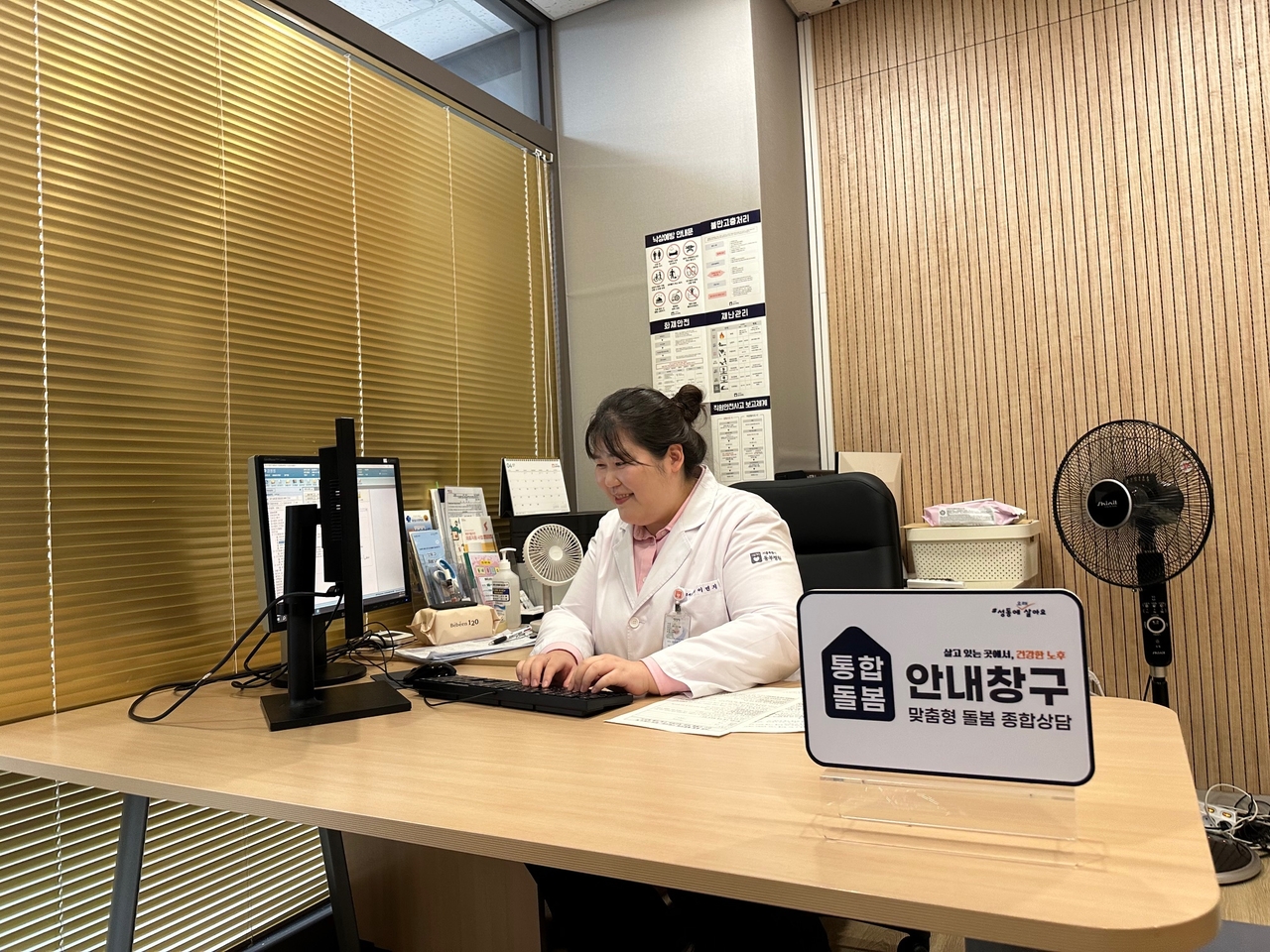
The district plans to designate the partner institutions as official "Seongdong Integrated Care Information Desks," tasked with providing consultations and guidance on integrated care as well as processing applications on behalf of residents.
As a result, the number of integrated care information desks in Seongdong-gu will grow from 27 — previously comprising public health centers, dementia care centers and general social welfare centers — to 35.
The addition of day care centers and similar facilities closely embedded in residents' daily lives is expected to sharpen the district's ability to identify people in need of care earlier and connect them with the right services in a timely manner.
The district is also working to reduce confusion on the ground and strengthen practical capacity. On May 19, the day after the MOU signing, it held an operational roundtable and hands-on training session for staff at both existing and newly designated information desk institutions.
The session covered changes in the role of local institutions under the new act, integrated care application procedures, and effective approaches to identifying and referring eligible residents — all aimed at improving frontline readiness.
This community-centered public-private cooperation model had already demonstrated positive results through a pilot program last year. Participating institutions proactively identified 98 residents in need of care and referred them to the district, where they received medical, care and other necessary services that allowed them to maintain stable daily lives within their communities.
seouldream01@heraldcorp.com