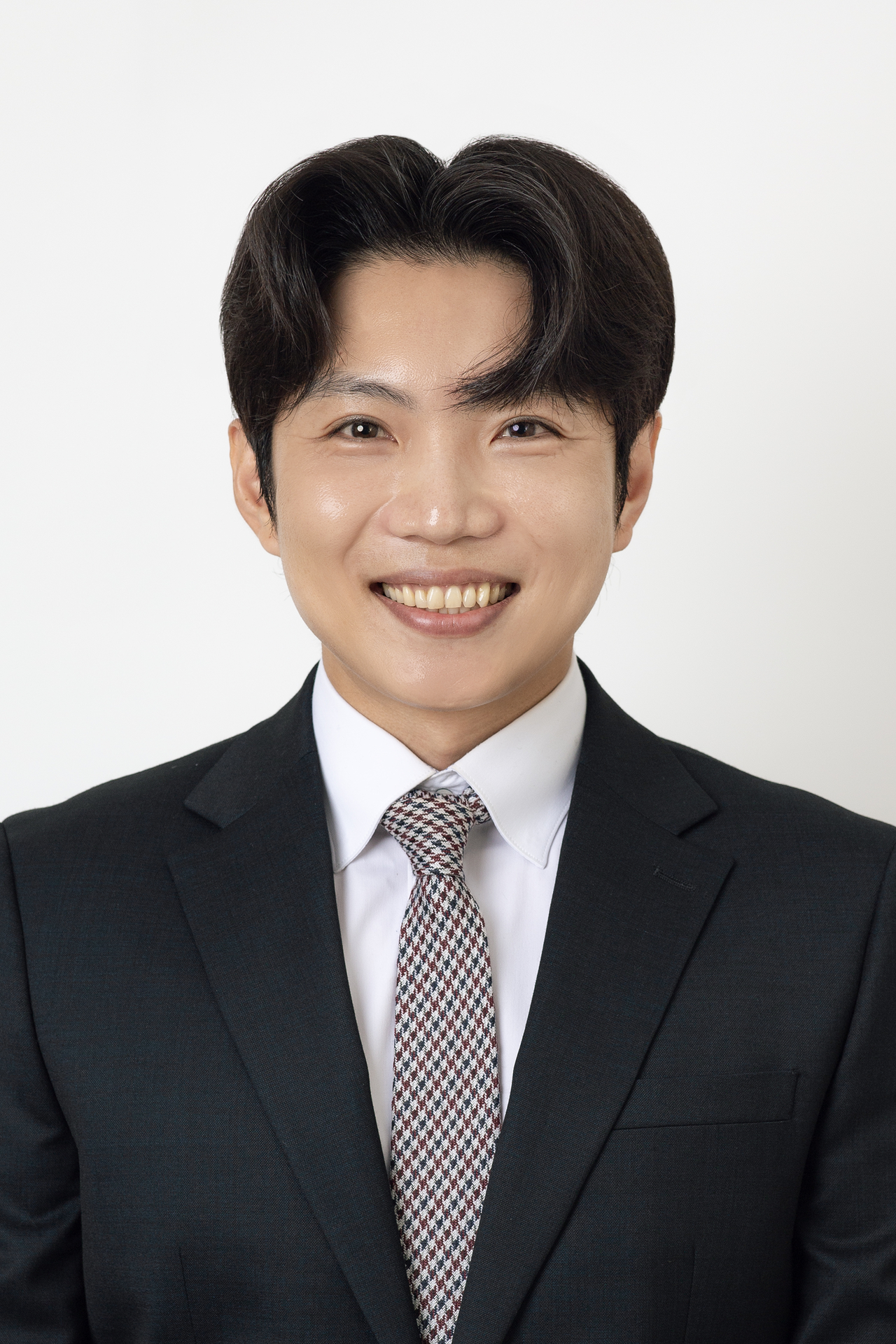
Catholic University of Daegu announced Tuesday that Jang Jeong-hun, a professor at its College of Pharmacy, has identified the mechanism by which the quantity of microorganisms within tumors regulates anticancer immune responses and the effectiveness of immunotherapy — findings made through a joint study with leading US cancer research institutions.
The research was conducted in collaboration with scientists at the University of Texas MD Anderson Cancer Center and Memorial Sloan Kettering Cancer Center (MSKCC), with Jang serving as co-first author.
The findings were published in the November 2026 issue of Cancer Discovery, an international oncology journal published by the American Association for Cancer Research (AACR). The journal holds a five-year impact index of 33.5, placing it in approximately the top 3 percent of oncology publications.
Using data from seven types of solid tumors and single-cell analysis of tissue from cancer patients, the research team confirmed that the quantity of microorganisms within tumors is closely linked to interferon signaling, which plays a key role in regulating immune responses.
In a colorectal cancer mouse model, reducing the number of intratumoral microorganisms weakened both interferon signaling and the effectiveness of immunotherapy. Conversely, increasing the expression of interferon-related genes restored the treatment response.
The study moves beyond the conventional focus on gut microbiota to demonstrate that the quantity of microorganisms residing within tumor tissue itself influences anticancer immune responses. The findings are expected to inform future efforts to predict immunotherapy responses and develop personalized treatment strategies for individual patients.
"Information on intratumoral microorganisms could serve as an important clue for predicting individual patients' responses to immunotherapy and developing new strategies to enhance treatment outcomes," Jang said.
kbj7653@heraldcorp.com