Four policy packages mobilize demand curbs and supply expansion; multi-home owners, rental landlords face pressure; tax reform debate intensifies
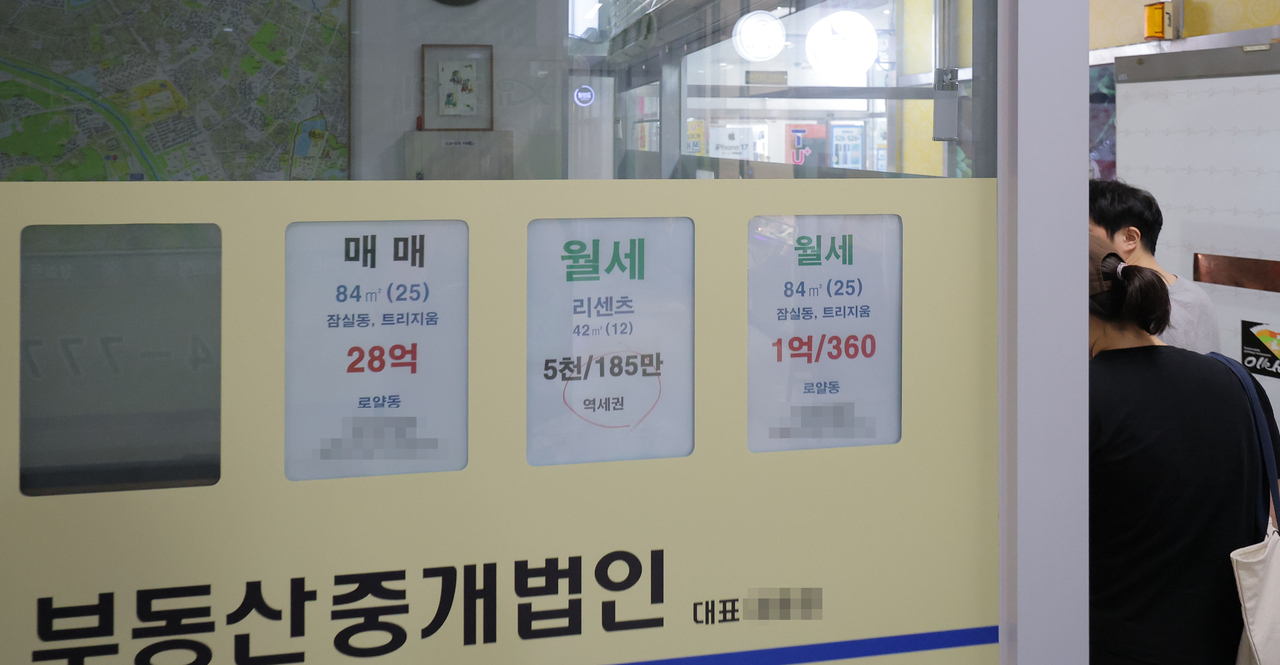
The Lee Jae Myung administration's first year of real estate policy can be summed up in two phrases: demand suppression and a restructuring of the market around owner-occupancy. From the moment the government took office, it moved to rein in rising home prices through lending restrictions, with President Lee himself wading into the public debate to apply pressure on all fronts.
The sustained offensive did briefly cool prices in Seoul's prime districts, but instability in the rental market deepened. The ruling camp's failure to recapture the Seoul mayoral seat in the June 3 local elections signaled a cold verdict from voters on the administration's housing policies. Experts say the pace of supply delivery and the direction of tax reform will be the key market variables going forward.
Lending curbs from day one: Four packages pair demand controls with public housing supply
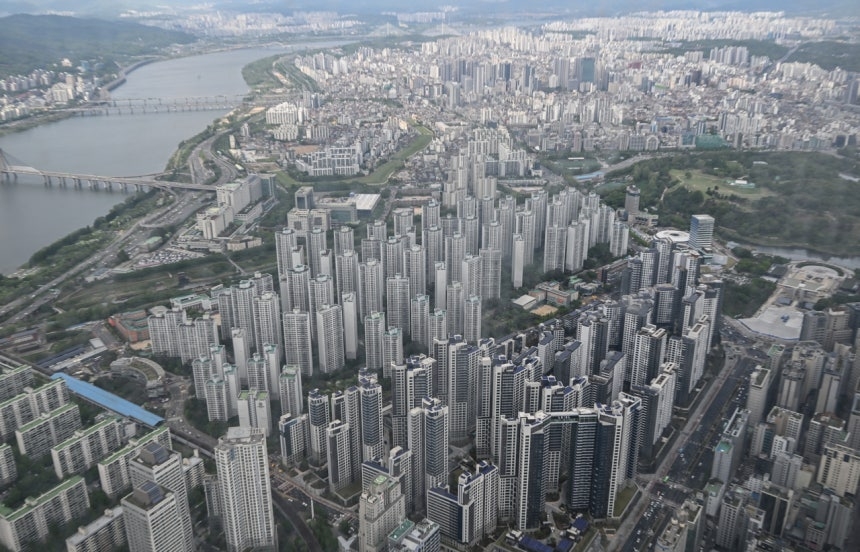
Since taking office on June 4 last year, the Lee administration has unveiled four major real estate policy packages. As Seoul home prices climbed sharply in the early weeks, the government moved on June 27 to cap mortgage loans at 600 million won (about $393,000) in the Greater Seoul area and designated regulated zones.
Markets responded quickly. According to the Korea Real Estate Board, the monthly rate of increase in Seoul apartment prices slowed from 1.44 percent in June last year to 1.09 percent in July and 0.48 percent in August. Nationwide, the pace of apartment price gains narrowed from 0.17 percent in June to 0.15 percent in July and 0.04 percent in August.
As the impact of the June 27 package faded, the government followed up with the Sept. 7 package, which laid out a plan to supply 1.35 million homes in the Greater Seoul area over five years. The strategy paired lending restrictions to suppress demand with expanded supply to stabilize the market. The package also gave greater specificity to the government's policy direction by centering public-led delivery through Korea Land and Housing Corp. (LH).
The Oct. 15 package placed all of Seoul and 12 Gyeonggi Province districts under regulated-zone and land transaction permit zone designations, and tightened mortgage caps — to 400 million won for loans on homes priced between 1.5 billion and 2.5 billion won, and to 200 million won for homes above 2.5 billion won. This year, the Jan. 29 package introduced a plan to build 60,000 homes in the Greater Seoul area using idle land and other sites. In roughly eight months, the government delivered four policy packages combining demand curbs with supply expansion.
Lee takes to social media personally — even on election day: 'Escape the real estate speculation republic'
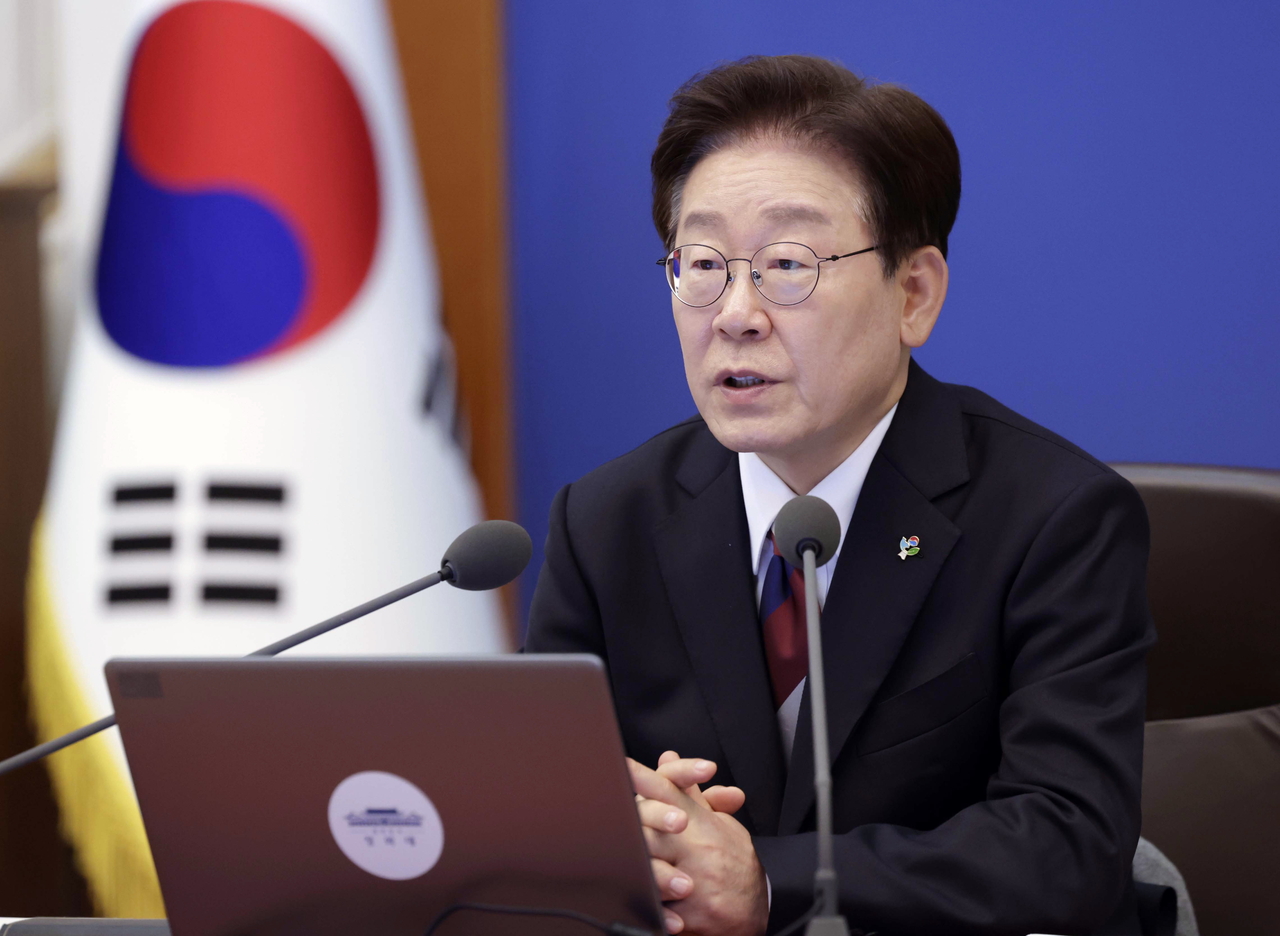
President Lee also threw himself directly into the public messaging battle. The pattern became especially pronounced this year: of 65 posts he made on X (formerly Twitter) in January alone, eight addressed real estate policy — a sharp departure from the more hands-off posture he maintained in the early months of his administration.
After announcing on Jan. 23 that the temporary suspension of the capital gains tax surcharge on multi-home owners would not be extended, Lee broadened his targets. Multi-home owners, rental business operators and non-resident single-home owners all came under pressure, and listings increased in the run-up to the May 9 expiry of the surcharge suspension. In some prime areas, including Gangnam, price gains began to ease.
Lee has kept up the combative tone this month, declaring on Sunday that he would "definitely break free from the ruinous real estate unearned-income republic," and on Tuesday — election day — that "South Korea must achieve its escape from the real estate speculation republic, transform into a startup nation, and develop into an irreplaceable core country." Market observers have noted that Lee's social media posts appear to function as a policy guideline, signaling the direction of government action.
Jeonse and wolse instability persists; experts call for faster supply and watch tax reform
Since the capital gains tax surcharge on multi-home owners was reinstated, rental market anxiety has resurfaced in Seoul. A "triple rally" — simultaneous gains in sale prices, jeonse deposits and wolse rents — has emerged.
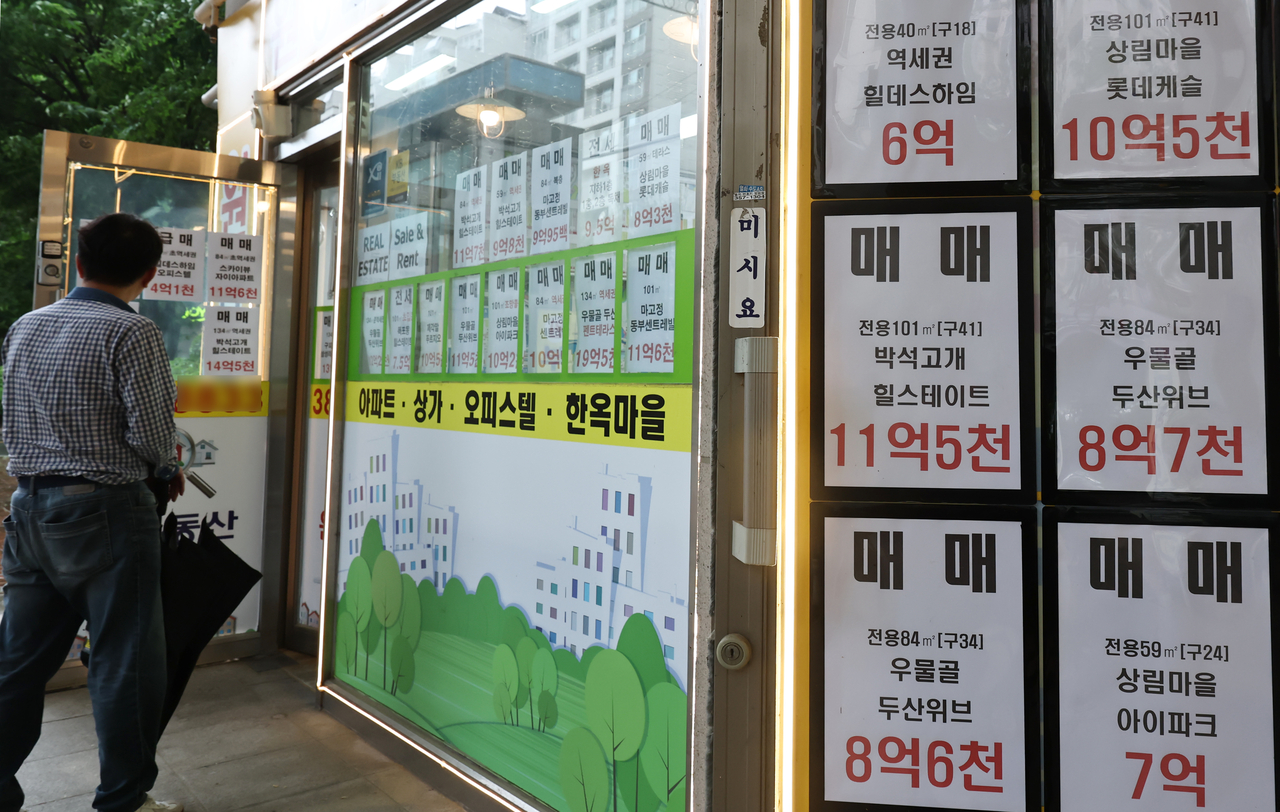
According to the Korea Real Estate Board, Seoul apartment sale prices have risen a cumulative 3.93 percent so far this year through the first week of this month (as of June 1), far outpacing the 2.02 percent gain recorded in the same period last year. The cumulative increase in Seoul jeonse prices over the same period stands at 3.77 percent, compared with just 0.65 percent a year earlier. A balloon effect is also being detected, with prices rising in Seoul's outer districts as government regulations concentrate on prime areas such as Gangnam.
Voter sentiment on housing was also on display in the June 3 elections, where Oh Se-hoon's victory in the Seoul mayoral race has been interpreted as an expression of dissatisfaction among Seoul voters with the government's real estate policies.
Supply expansion and tax reform are expected to dominate the housing agenda in the administration's second year. The government announced last month that it would supply 90,000 purchased rental homes in the Greater Seoul area over the next two years, with 66,000 units concentrated in regulated zones in Seoul and Gyeonggi Province to address the shortage of apartment supply.
Discussions on tax reform are also moving into full gear. The government is reviewing an overhaul of the long-term holding deduction for capital gains tax as well as measures to strengthen property holding taxes. Market attention is focused in particular on the possibility of a heavier tax burden targeting non-resident single-home owners and holders of high-value properties.
However, some analysts argue that expanding the supply of non-apartment housing or tightening taxes will not be enough on its own to stabilize home prices or ease rental market anxiety. The local election results are also seen as adding significant political risk to pushing through aggressive tax reform.
"The rental market's underlying instability cannot be resolved without accelerating the pace of supply," said Kim Hyo-seon, a senior real estate specialist at KB Kookmin Bank. "We will continue to see measures aimed at bringing forward the delivery of public housing in prime locations."
Ham Young-jin, head of the real estate research lab at Woori Bank, said the government deserves credit for blocking speculative demand through consistent policy, but noted that slow supply delivery has left rental market anxiety unresolved. "Future home prices will depend on how aggressive the tax reform turns out to be and how effectively the designated supply projects actually deliver units," he said.
lucky@heraldcorp.com