Interview with Cho Jin-seok, CEO of Korea Digital Asset
Global issuers need local partners to enter Korean market
Public-sector custody emerging as new source of demand
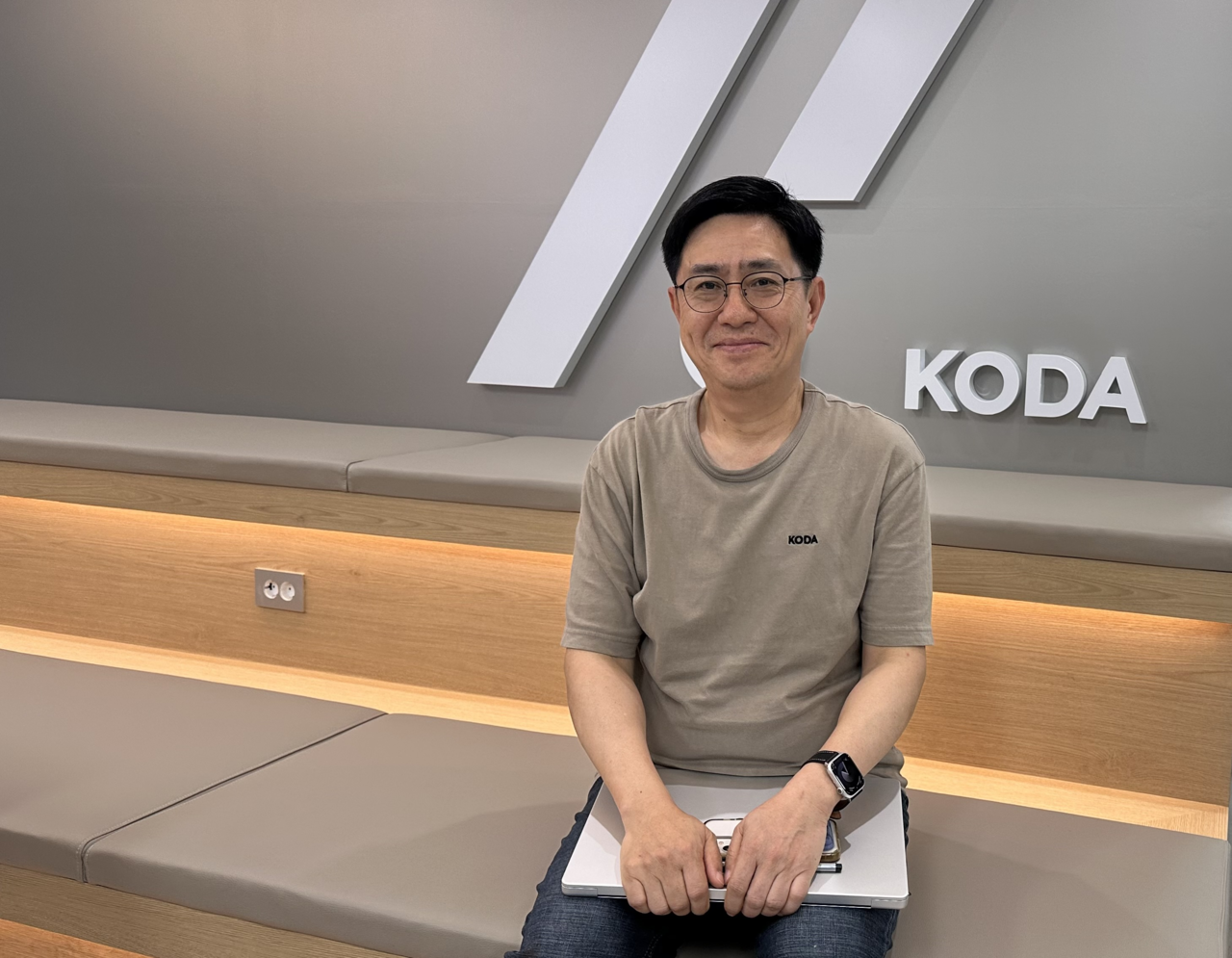
"The reason overseas digital asset companies are interested in domestic custody providers is that they need reliable storage and management infrastructure to build trust with customers when entering the Korean market."
Cho Jin-seok, CEO of Korea Digital Asset, made the remarks in a recent interview about the prospects of the domestic digital asset custody market.
KODA was jointly founded in 2020 by KB Kookmin Bank, Hashed and Hatch Labs. Cho spent roughly 28 years at KB Kookmin Bank, working across information security, digital finance and the bank's new technology innovation center. He said he recognized the potential of digital asset custody while reviewing blockchain, AI and machine learning-based financial businesses during his time at the bank. KODA recently received a SOC1 Type 2 certification for its digital asset custody service from Samil PwC.
'Corporate accounts are key' — custody growth hinges on pace of regulation
The delayed opening of the corporate digital asset market remains the biggest variable for the custody industry. "With the first half of the year nearly over, the timeline for opening the corporate market keeps getting pushed back, making it difficult to hit our sales target of 5 billion won (approximately $3.24 million) this year," Cho said. "KODA's full-scale sales expansion and business growth are closely tied to how quickly the regulatory framework takes shape — allowing corporate accounts is the single most important step."
Even as regulation lags, the company continues to attract new customers. KODA has added 10 corporate clients so far this year. "The corporate market has not fully opened yet, but companies preparing digital asset strategies are already opening accounts or completing actual transfers," Cho said. "New customers are consistently coming in."
KODA is also exploring new revenue streams, including public-institution custody, staking and validator services, and stablecoin-related infrastructure. The company is expanding partnerships with overseas digital asset firms — including stablecoin issuer Circle — and plans to broaden its service scope by integrating with global players in staking infrastructure and real-world asset tokenization.
"Regulations such as MiCA and the GENIUS Act abroad, as well as Korea's forthcoming Digital Asset Basic Act, are likely to require user protection, redeemability and a domestic presence or cooperative structure for foreign-issued stablecoins," Cho said. "From the perspective of global issuers, partnering with a highly credible domestic operator is essential for a stable entry into the Korean market." He added that KODA is "focused on technical integration with top global players, going beyond simple MOUs."
KODA secured financial-sector investors including Hanwha Investment, IBK Capital and Kyobo Securities during its 10 billion won Series A funding round last year. The company is also deepening its ties with traditional finance. Cho has recently given lectures to bank and brokerage executives and VIP clients on topics including stablecoins and corporate digital asset investment strategies.
"Domestic financial institutions are also waiting for regulatory uncertainty to be resolved," he said. "Once the groundwork is laid — through a bitcoin ETF, stablecoin regulation and the Digital Asset Basic Act — there is very strong appetite to participate in the market in earnest."
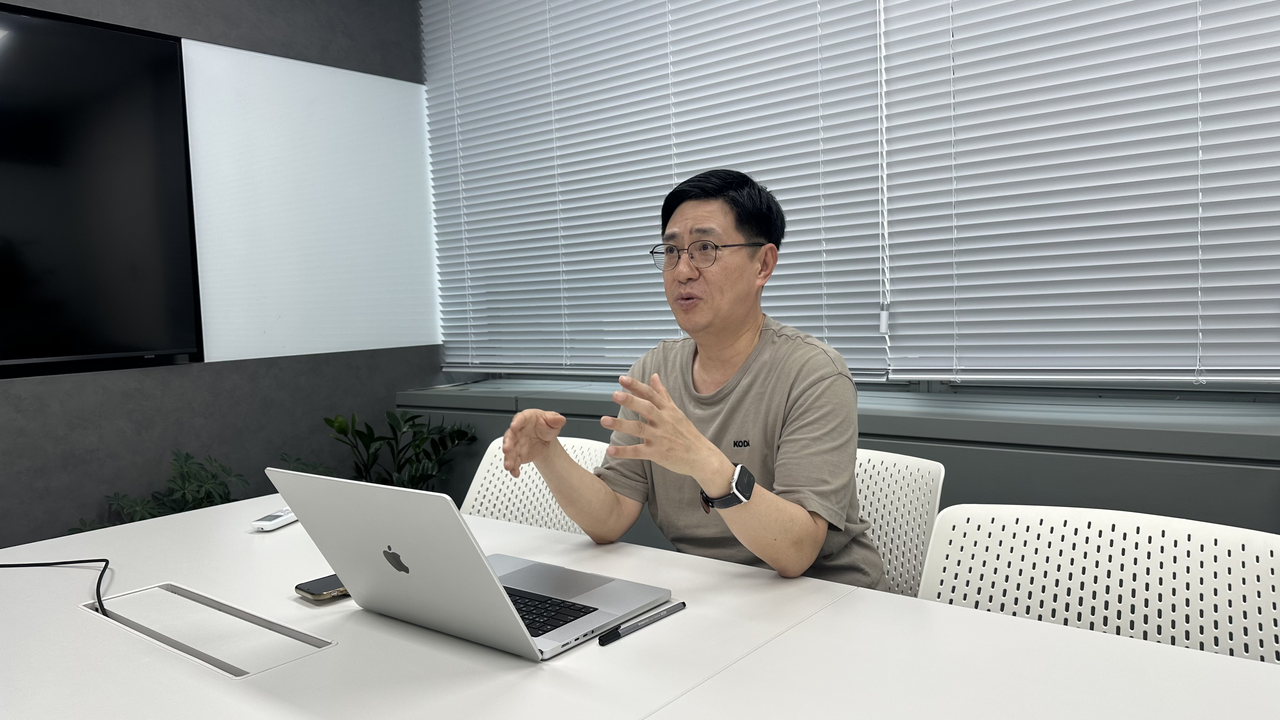
Internal controls and insurance in focus ahead of public-sector custody push
Cho cited the SOC1 Type 2 certification as the most meaningful achievement of the first half of this year. SOC is an international standard certification in which an external auditor verifies a service organization's internal control framework. Type 1 assesses whether the control framework is designed to meet global standards. Type 2 goes further, confirming through a period of due diligence that the design actually functioned as intended during operations.
Obtaining both levels of certification took 11 months and required an investment of around 200 million won, covering certification preparation, equipment procurement and wallet migration, Cho said. Introducing a hardware security module (HSM) that meets global security standards alone took about three months. An HSM is a dedicated security device for securely generating, storing and using cryptographic keys. "We completed the build using our own internal staff without relying on outside parties," Cho said, adding that the process "strengthened the security and operational stability required of an institutional-grade custody provider."
The public-sector custody market is emerging as another source of demand for the industry. Following the National Tax Service, the Korean National Police Agency recently published a preliminary specification for a seized virtual asset custody project. "Through our participation in the National Tax Service project, we confirmed that practical support functions that reduce administrative burden are just as important as security and stability," Cho said. "In future bids, we will incorporate systems that improve operational convenience alongside our core competency of internal controls."
Insurance coverage is also a key issue. KODA has an insurance contract worth $20 million with Samsung Fire and is in talks with multiple insurers to increase the coverage limit. The domestic insurance market still lacks standardized products capable of directly assessing and underwriting digital asset custody risk, and premium rates tend to be high because most coverage structures rely on overseas reinsurance. "Insurance is the most intuitive way to demonstrate recoverability in the event of an incident, but there are limitations at this stage," Cho said.
KODA mitigates the risk of contagion by managing independent cold wallets for each customer. "Assets held for public institutions tend not to involve frequent withdrawals or transfers," Cho said, adding that "a realistic approach combines segregated wallet management per customer, distributed private key management and internal control verification."
![안도걸 “디지털자산기본법, 하반기 국회서 속도감 있게 논의할 것”…금융위 “적극 지원” [크립토360]](https://wimg.heraldcorp.com/news/cms/2026/05/27/news-p.v1.20260527.81095585ca0040ea97cad0a469365e7e_T1.png)
kyoung@heraldcorp.com