
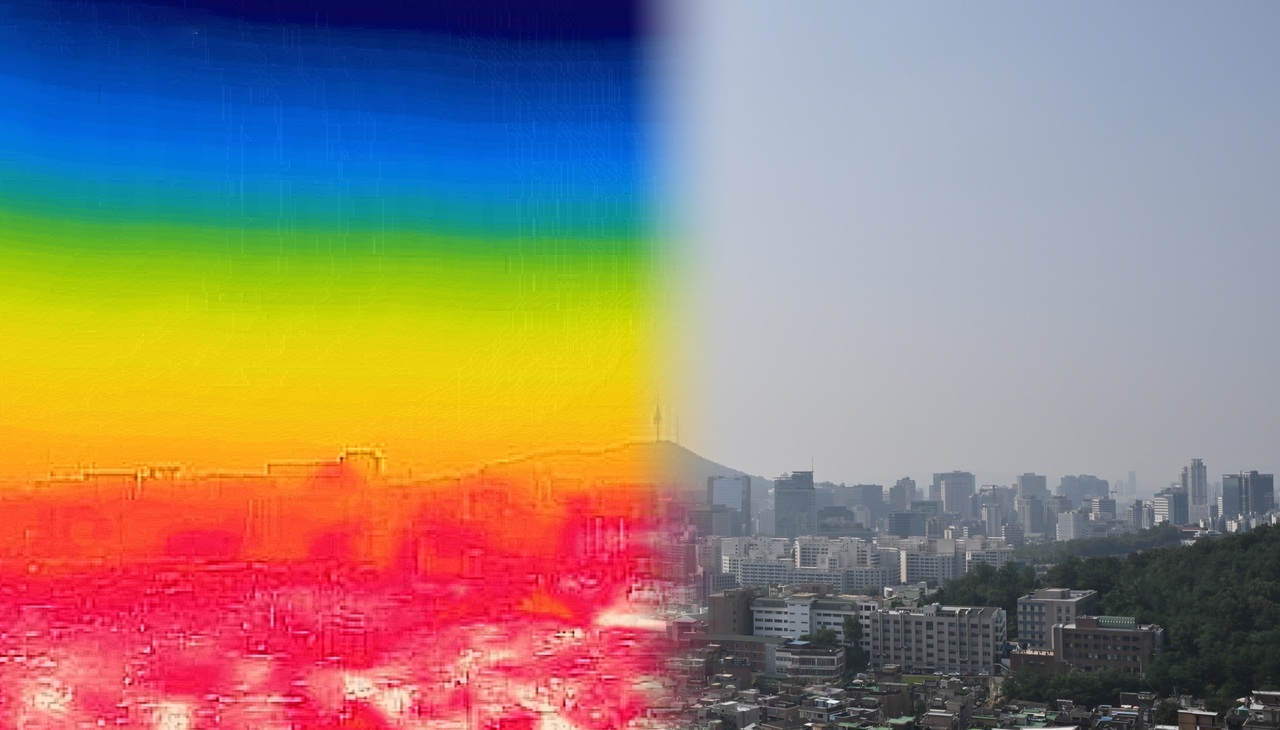
"I always thought my neighborhood ran hotter than the rest of the city ... "
Real estate prices vary enormously across Seoul's districts — but so does access to something far more fundamental.
Green space. Parks, forests, and tree-lined areas where grass and vegetation grow.
In a city like Seoul, green space is far more than a place to take a walk or exercise.
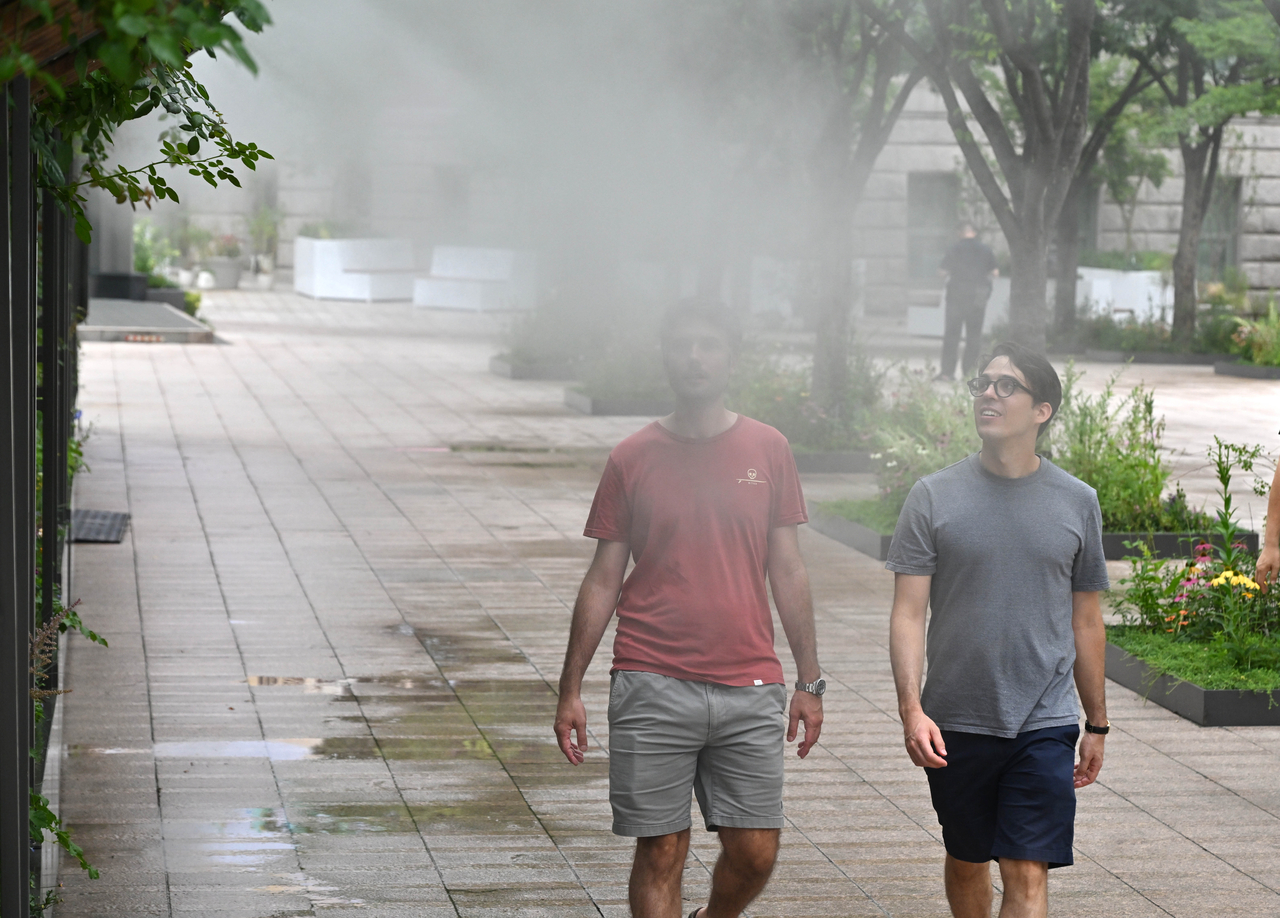
As climate change drives increasingly severe heat waves, green space has become an essential factor in lowering temperatures near residential areas and ensuring a comfortable quality of life for residents.
Yet Seoul's green space is distributed with striking inequality. Per capita green area varies by as much as 20-fold across the city's districts, according to new data.
The disparity follows income lines as well, with lower-income areas tending to have less green space — a pattern researchers describe as "climate inequality." Calls are growing for authorities to expand the share of green space in urban areas.
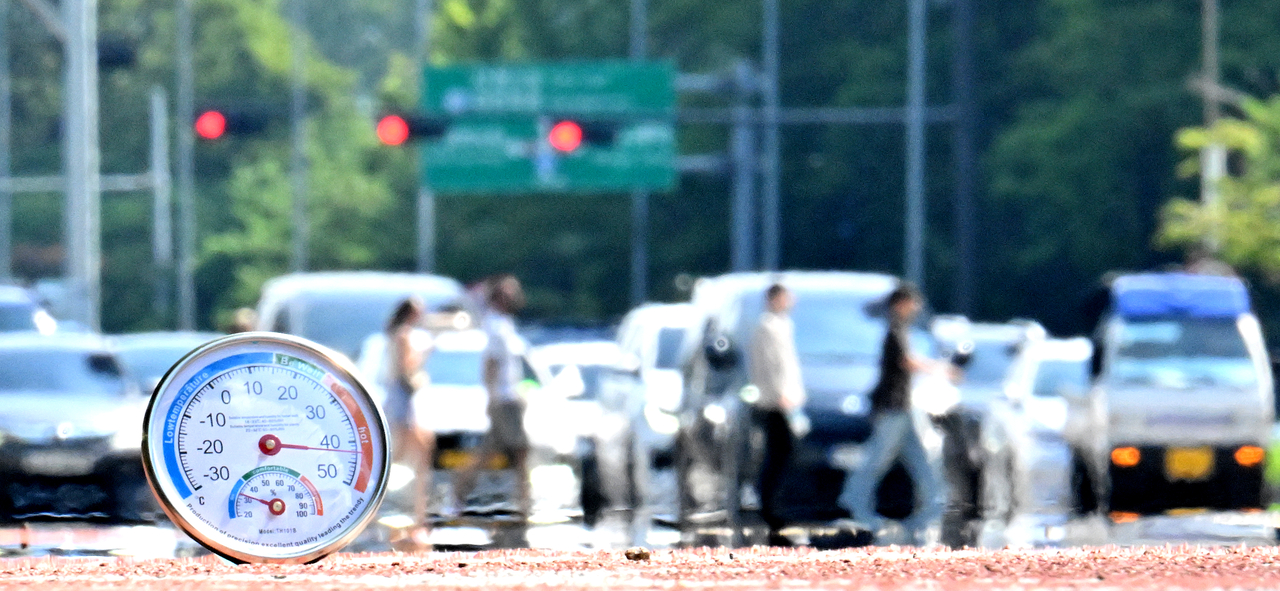
Greenpeace released an analysis Wednesday using geographic information systems and satellite data to examine the area and accessibility of green space across Seoul's 25 districts. It found that Seoul's average per capita green area stands at roughly 18.3 square meters — about 5.5 pyeong (1 pyeong equals 3.3 square meters) per person.
That figure, however, masks sharp disparities between districts. Seocho-gu recorded the largest total green area in Seoul at 19.6 square kilometers — more than 15 times that of Dongdaemun-gu, which had just 1.3 square kilometers. On a per capita basis, the gap widened further, reaching as much as 20-fold.
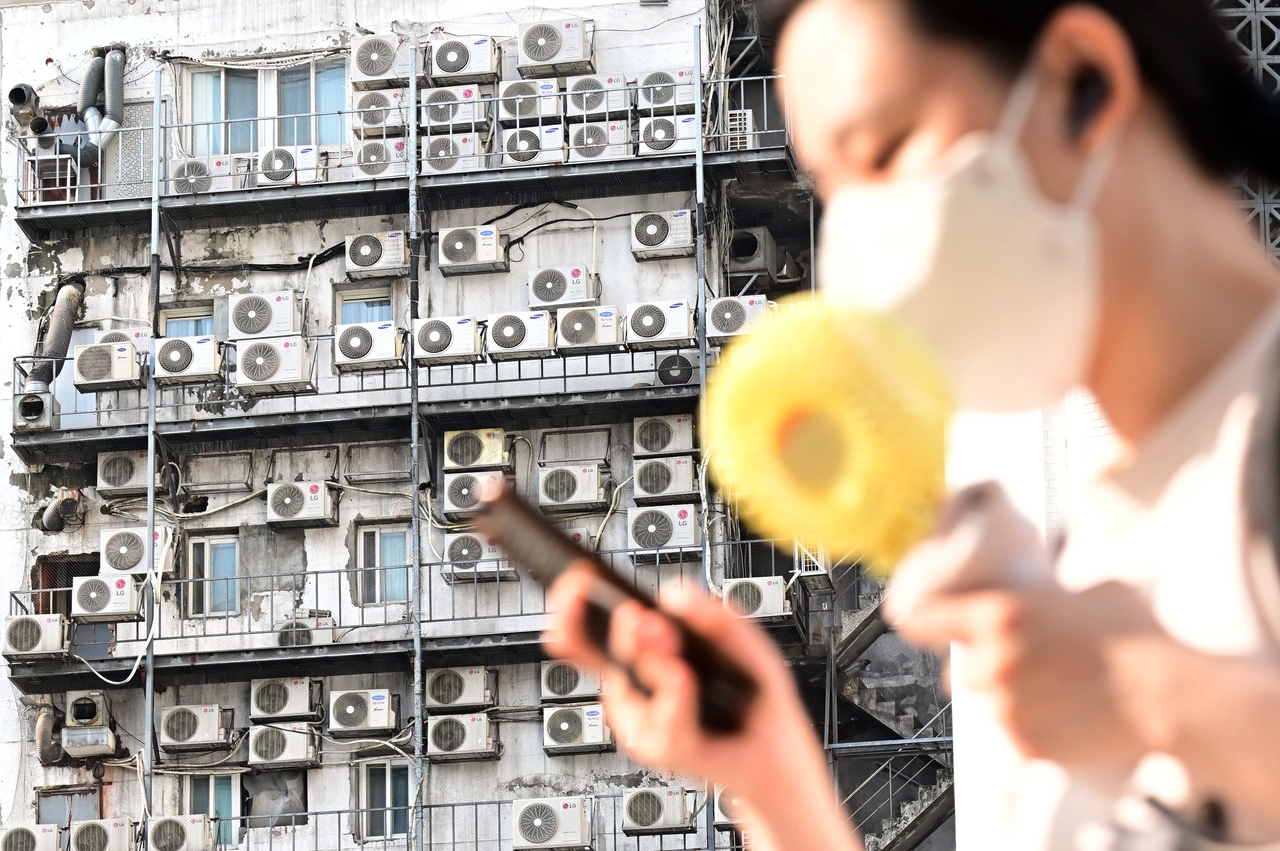
Among Seoul's 25 districts, Dongdaemun-gu had the smallest per capita green area at 3.61 square meters, followed by Yeongdeungpo-gu at 4.69 square meters. At the other end of the scale, Jongno-gu led with 75.61 square meters per person, followed by Seocho-gu at 48.64 square meters.
Urban areas like Seoul already run hotter than non-urban regions. The cause is the urban heat island effect — a phenomenon in which buildings, roads, concrete surfaces, and vehicles concentrate and amplify heat, driving up temperatures at the city's core.
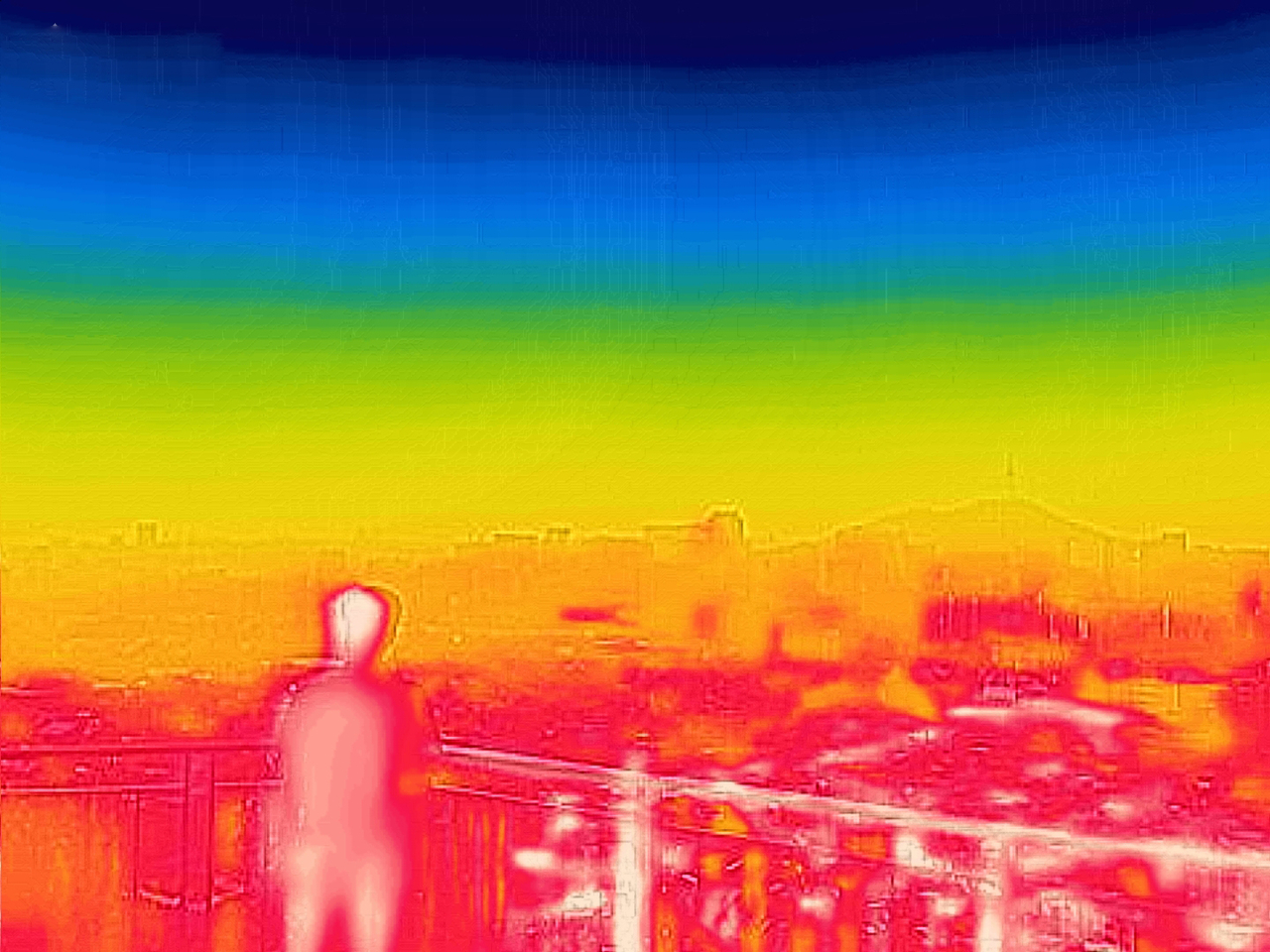
Green space counters that effect by reflecting sunlight and releasing moisture through evaporation, cooling the surrounding air. The cooling benefit becomes especially pronounced during summer heat waves. As a result, surface temperatures across Seoul's districts vary significantly depending on how much green space each one contains.
Greenpeace confirmed a direct correlation between green area and lower surface temperatures. Analyzing satellite data for all 25 Seoul districts on June 18 and Aug. 29, 2024, the group found that each additional square kilometer of green space was associated with a surface temperature decrease of roughly 0.23 to 0.25 degrees Celsius.
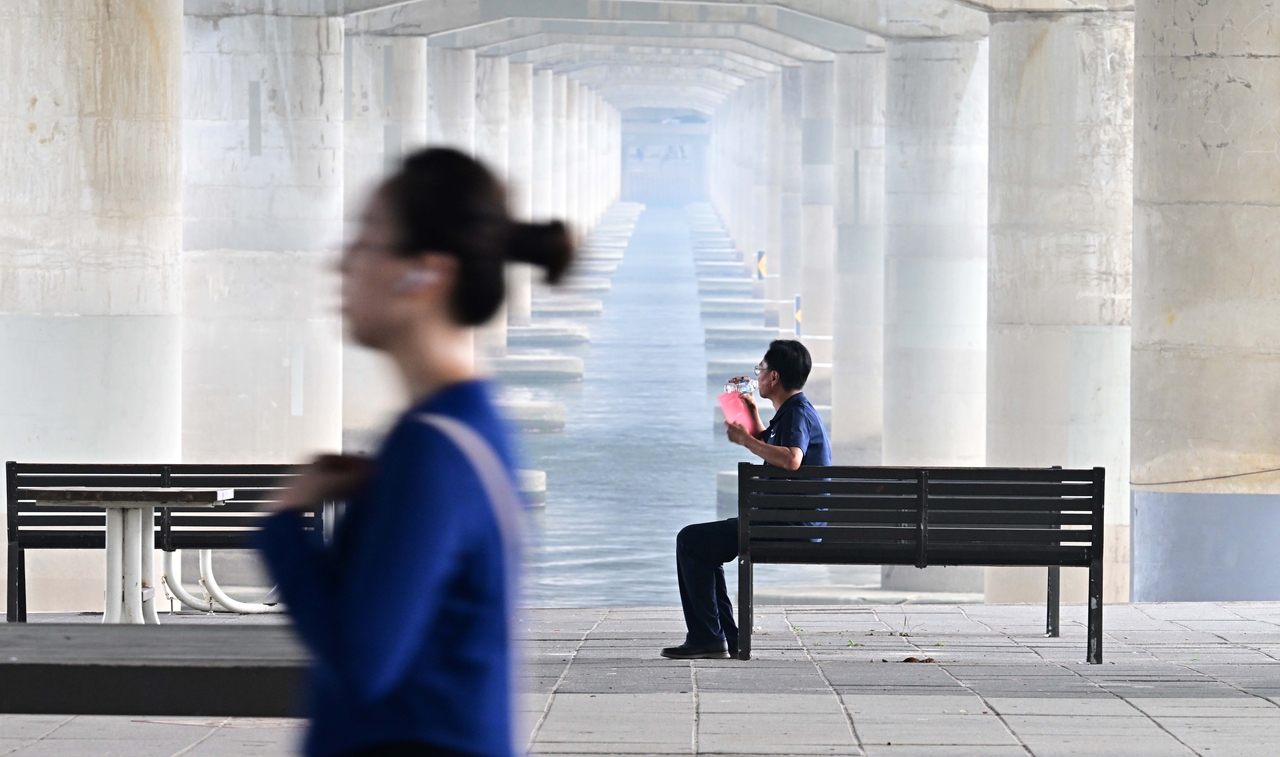
Dongdaemun-gu, which has the least green space, recorded the highest surface temperatures in Seoul on those two dates — 43 degrees Celsius and 42.7 degrees Celsius, respectively. Seocho-gu, with the most green space, logged 37.8 degrees and 38.1 degrees on the same days. The four districts with the most green space — Seocho-gu, Nowon-gu, Gwanak-gu and Gangbuk-gu — all ranked among the coolest in Seoul on those dates.
Access to green space is also poor for the average Seoul resident. Multiple studies reviewed by Greenpeace show that urban green space can cool temperatures within 100 to 300 meters of its boundaries, helping to mitigate heat waves. The WHO and European authorities have set a benchmark of 300 meters as the maximum acceptable distance between a residential area and accessible green space.
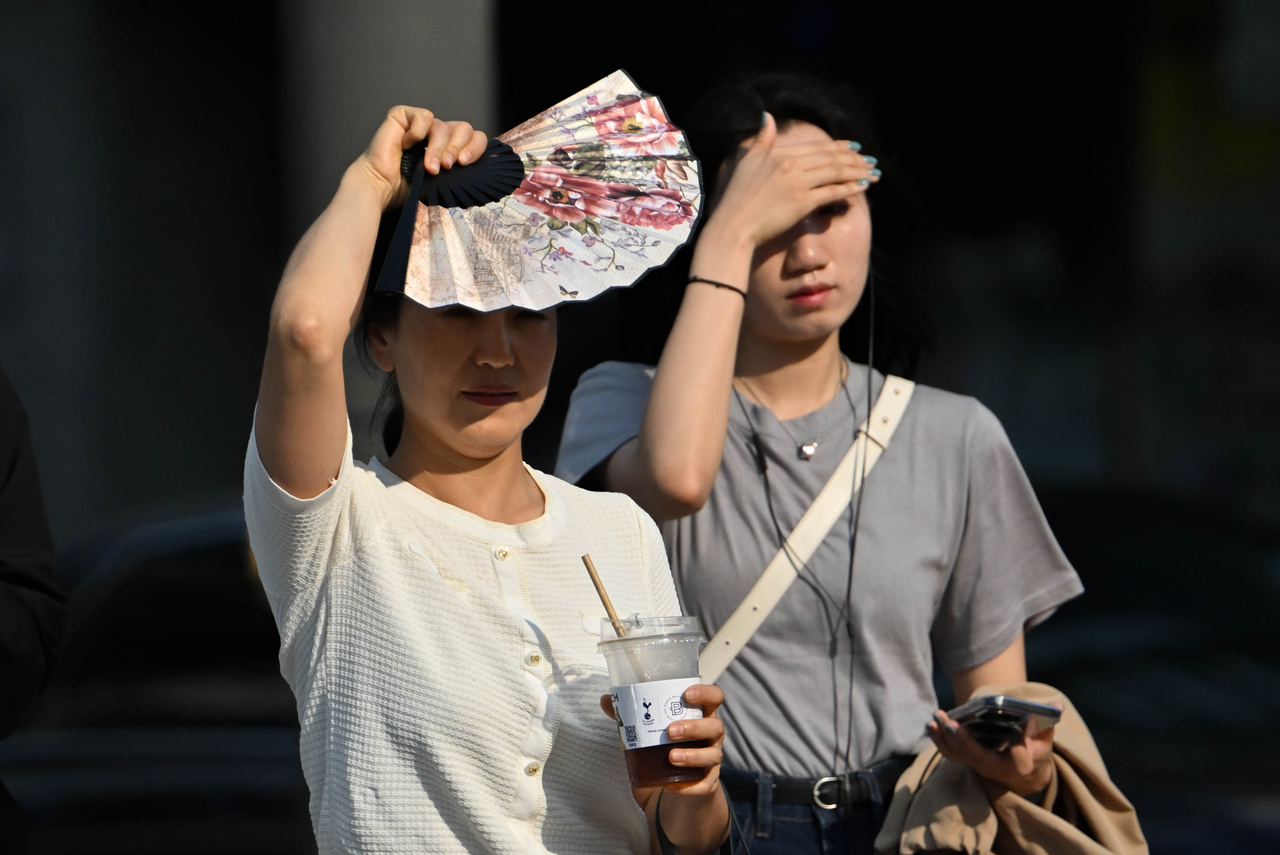
Applying that 300-meter standard, roughly 245,000 Seoul residents currently lack adequate access to green space. Tighten the benchmark to 100 meters, and the number rises sharply. An estimated 4.2 million people — roughly half of Seoul's population — are effectively cut off from green space, leaving them without meaningful protection from heat waves.
The data also reveal that heat wave damage is concentrated in lower-income areas with less green space, suggesting that the adverse effects of climate change fall disproportionately on vulnerable communities.
Dongdaemun-gu, which has the least green space in Seoul, ranks 19th out of 25 districts by average monthly income. Guro-gu, where per capita green area is roughly half the Seoul average, ranks 18th. Seocho-gu, which tops both total and per capita green space rankings, ranks second in income.
"In a city that is fast becoming a concrete jungle, what residents truly need is an expansion of green space and protection of natural forests," said Shin Min-ju, a climate and energy campaigner at Greenpeace. "Tax revenue should be directed first toward green-space-deprived areas that are most vulnerable to climate change, and then toward expanding green space that all residents can enjoy."

![“이제 서울 못 살겠다” 곧 ‘불지옥’으로 돌변…유독 더운 이유, 알고 보니 [지구, 뭐래?]](https://wimg.heraldcorp.com/news/cms/2026/05/29/ams.V01.photo.HDN.P.20240801.202408010831235249399147_T1.jpg)
"I can't live in Seoul anymore" — why some neighborhoods are turning into heat traps [What Does the Earth Say?]
woo@heraldcorp.com





