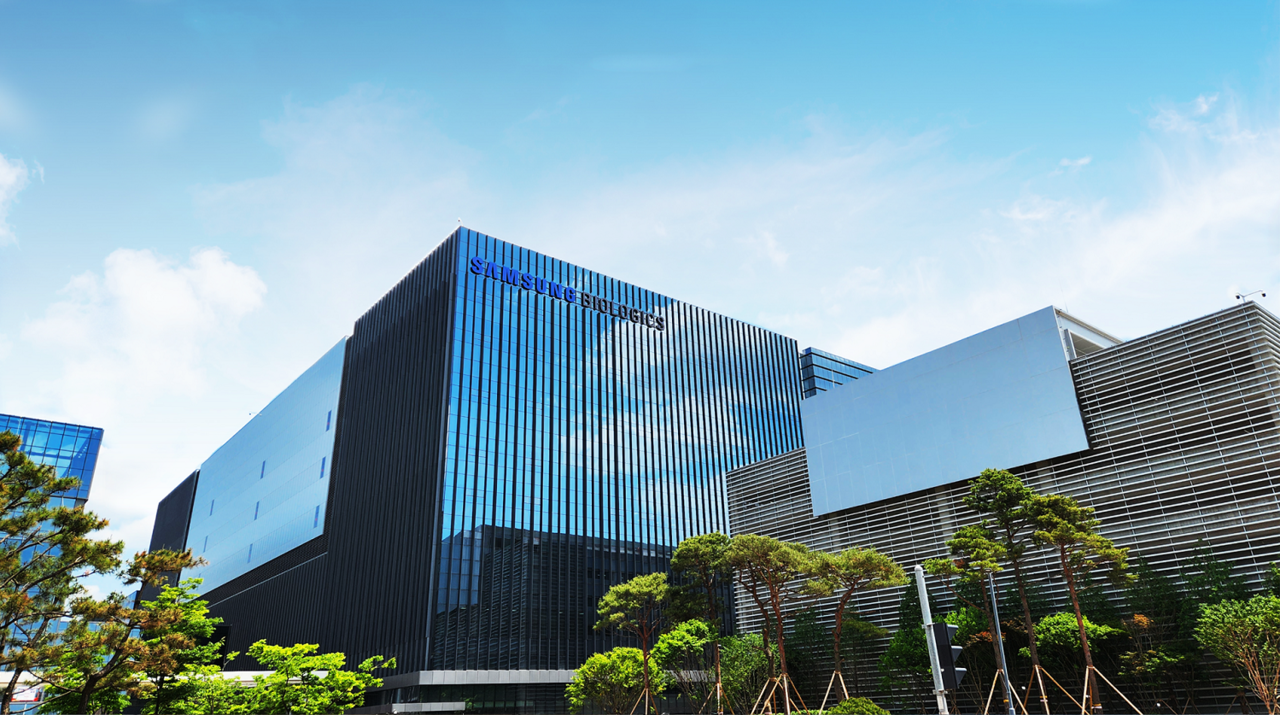
The 40,000-square-meter facility, set to open in 2031, will deploy multi-ion beam technology — including helium, neon and oxygen — to tackle hard-to-treat cancers
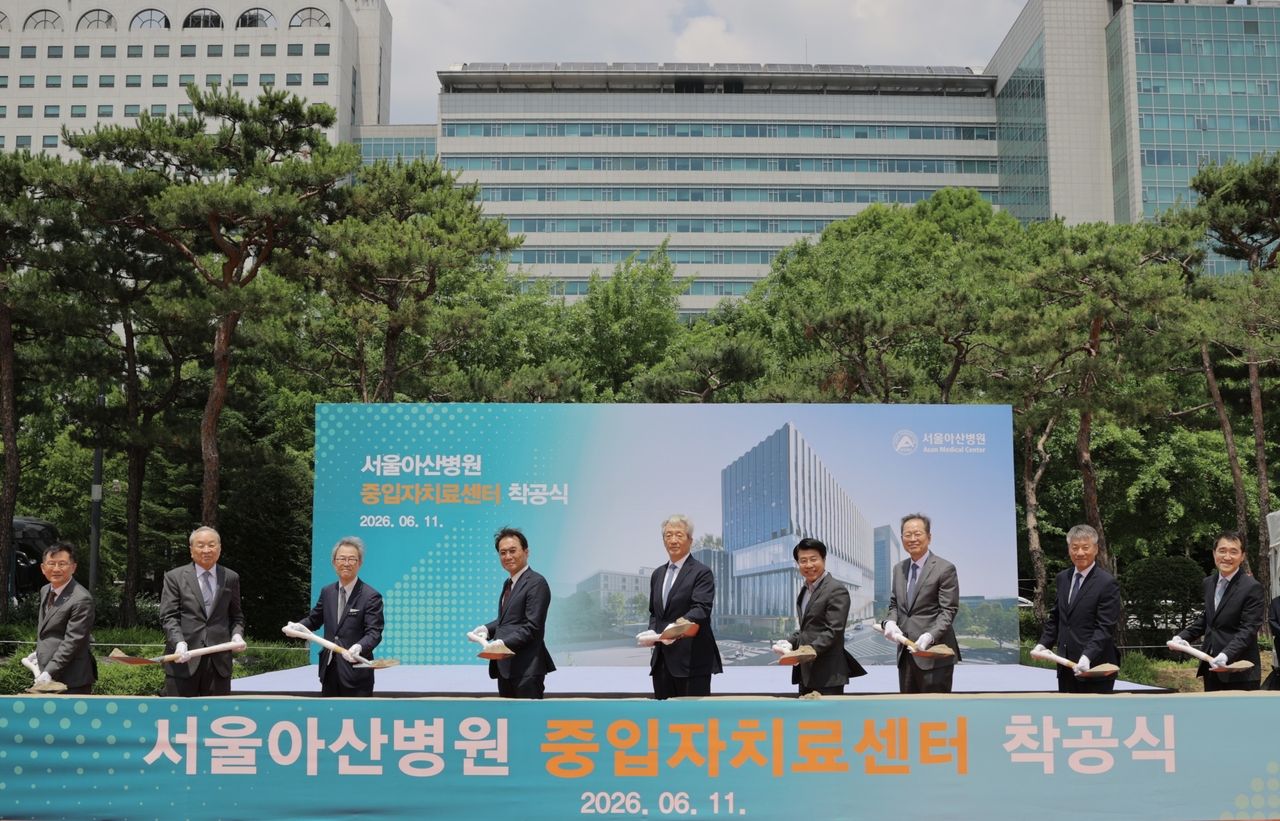
Asan Medical Center broke ground Thursday on what will become South Korea's largest heavy-ion cancer treatment facility, following similar centers already established at Severance Hospital in Sinchon and Seoul National University Hospital's Busan Gijang center. The planned center will have a total floor area of 40,000 square meters, making it the largest of its kind in the country.
The hospital said the center is expected to advance precision medicine for patients with hard-to-treat cancers, offering new treatment options and raising the overall standard of cancer care in South Korea.
Targeting a 2031 launch, the center will rise as a 12-story building — three floors below ground and nine above — with a total floor area of 39,502 square meters (about 11,949 pyeong, where 1 pyeong equals 3.3 square meters). The facility will house two rotating treatment units and one fixed treatment unit, all manufactured by Japan's Toshiba, representing the highest-specification equipment available. IPARK Hyundai Development Company will handle construction, with Hanmi Global overseeing supervision.
Thursday's groundbreaking ceremony was attended by Asan Foundation Chairman Chung Mong-joon, Asan Medical Center President Park Sung-wook, Asan Medical Center Director Park Seung-il and heavy-ion project team head Song Si-yeol, along with Songpa-gu Mayor Seo Gang-seok, Toshiba CEO Tsutomu Takeuchi, Nikken Sekkei design division head Ko Isogimi and IPARK Hyundai Development Company CEO Jeong Gyeong-gu.
Heavy-ion therapy — often called the "dream" cancer treatment — works by accelerating ions such as carbon to near the speed of light and directing the resulting beam with precision at tumor cells. The method delivers two to three times the destructive power of conventional radiation therapy while concentrating the impact on cancer cells and minimizing damage to surrounding healthy tissue. It can be applied to pancreatic cancer, which is difficult to detect early, as well as treatment-resistant lung cancer, sarcoma, kidney cancer and recurrent cancers, offering new hope to patients with otherwise hard-to-treat conditions.
The heavy-ion system at Asan Medical Center will feature a wider beam irradiation range and a higher dose rate — the amount of radiation delivered per unit of time — than existing machines, allowing broader areas to be treated in less time and significantly reducing the burden on patients.
The facility will also deploy multi-ion beam technology capable of using not only carbon ions but also helium, neon and oxygen, minimizing damage to healthy tissue while effectively targeting highly resistant tumors. The technology is expected to be applicable to pediatric cancers as well.
Asan Medical Center also plans to introduce a CT-based image-guided system that tracks real-time changes in tumor size and position during treatment, enabling personalized care.
"Unlike when our founder Chung Ju-yung established the Asan Foundation in 1977, medically underserved villages have in effect disappeared today — yet many patients still suffer from hard-to-treat diseases," Asan Foundation Chairman Chung Mong-joon said. "I believe that introducing heavy-ion therapy, which will bring hope to patients with intractable cancers who are waiting for new treatment options, is a way of carrying on my father's legacy."
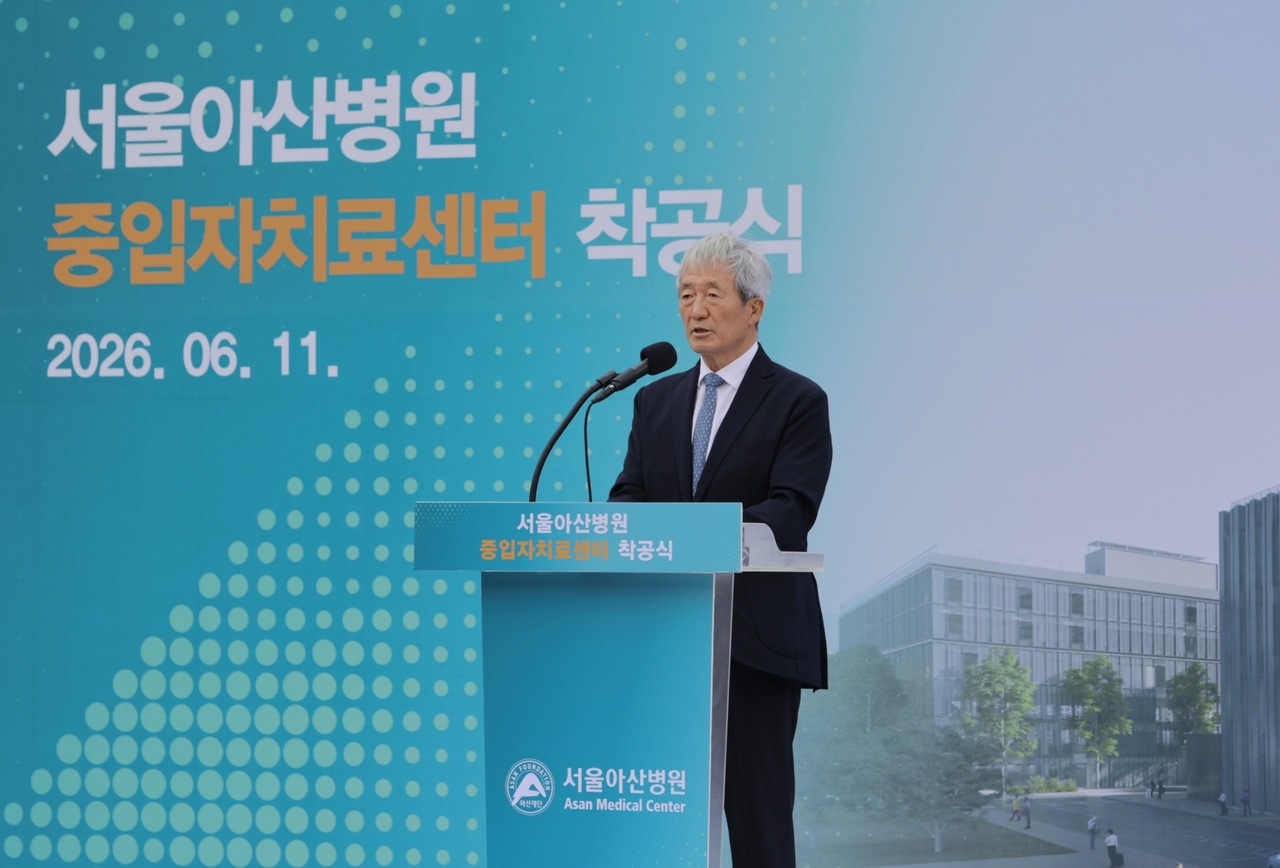
"Heavy-ion therapy is one of the most effective forms of radiation treatment available," said Park Seung-il, director of Asan Medical Center. "Despite the lengthy construction period and large-scale investment required, we decided to introduce this technology in pursuit of the highest standard of cancer care. We expect it to not only improve treatment outcomes for cancer patients but also serve as a pivotal step in strengthening Asan Medical Center's global competitiveness."
kty@heraldcorp.com