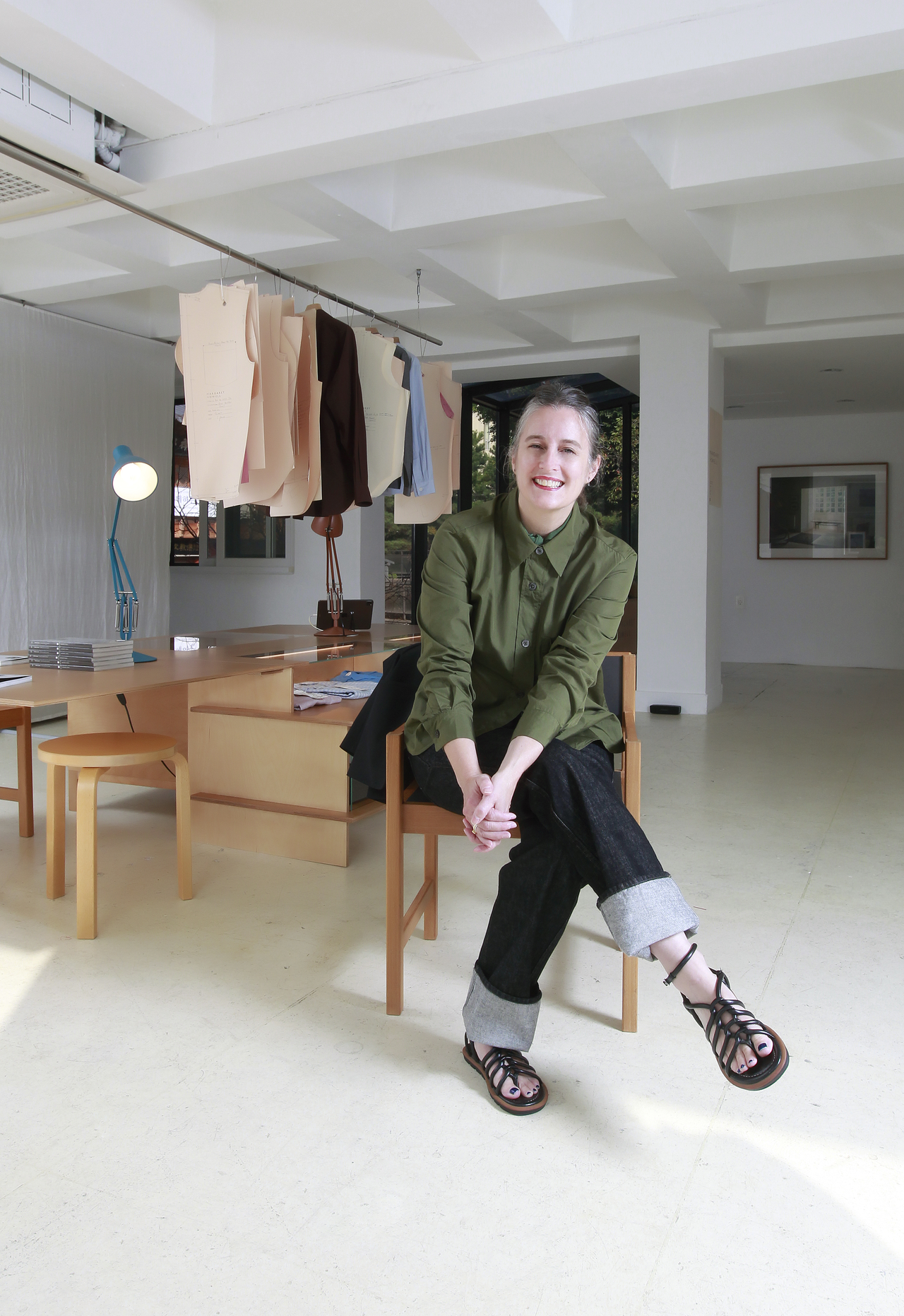
![Yeongju Mayor-elect Hwang Byeong-jik presents proposals for improving the Sucheol-ri abandoned railway tourism project. [Provided by the Yeongju mayoral transition committee]](https://wimg.heraldcorp.com/news/cms/2026/06/19/news-p.v1.20260619.e8ffed7f95474fd5afb1b843260f12d9_P1.jpg)
Yeongju Mayor-elect Hwang Byeong-jik has called for a sweeping overhaul of the city's administration, pledging to root out entrenched practices that he said have long obscured systemic problems.
According to the Yeongju mayoral transition committee on Friday, Hwang made the remarks Thursday at a closing session of the committee's work briefings, citing neglected facilities and resident inconveniences across the city and urging civil servants to take a more proactive approach to problem-solving.
Hwang singled out a deteriorating old Pantasion sign along a major entrance road into Yeongju as an example of poor maintenance. He said the long-neglected structure was projecting a negative image of the city to residents and tourists alike, and called for prompt repairs.
He was equally critical of road paving conditions. "When the same practices are repeated, people stop recognizing problems as problems," he said. "Civil servants must take responsibility for projects funded by taxpayer money, conduct thorough on-site inspections and minimize inconvenience to residents."
Hwang also took aim at public facilities that have sat unused for years. He said the cafe "Darida," which had operated as a cultural hub on Gwangbokno, and "Sikchiwon," a facility built for traditional and local food experiences, were in effect abandoned, and ordered the city to draw up plans to put them back into use.
He said the failure of budget-funded public facilities to fulfill their intended roles was a matter directly tied to administrative accountability.
Hwang also outlined plans to reform how the city handles civil complaints. He said he would review offering incentives to civil servants who actively resolve complaints and to those working in unpopular departments such as the permits division. He also proposed introducing a "three-tier complaint review system," under which a case officer, a supervisor and a senior official would review complaints in sequence, to improve fairness and accountability in complaint handling.
He said agricultural policy also needed improvement, citing the farm equipment rental program as an example. "Elderly farmers and those who have difficulty operating farm machinery are in effect unable to benefit from the program," he said.
He called on officials to actively develop policy ideas that residents could tangibly feel, including expanding the program beyond simple equipment rental to include operator support services.
"The foundation of good governance is resolving residents' inconveniences and seeing problems through their eyes," Hwang said. "I will build a Yeongju where residents can feel real change — through field-centered administration that refuses to settle for the way things have always been done."
kbj7653@heraldcorp.com