Welfare team leaders conduct a second review after initial consultations to ensure no household in crisis falls through the cracks, with six key risk areas as the focus of additional checks in a pilot running across four neighborhoods from June through December this year.
Gwanak-gu, led by District Mayor Park Jun-hee, launched a "Double Check" pilot project in June to build a tighter and faster welfare response system for households in crisis.
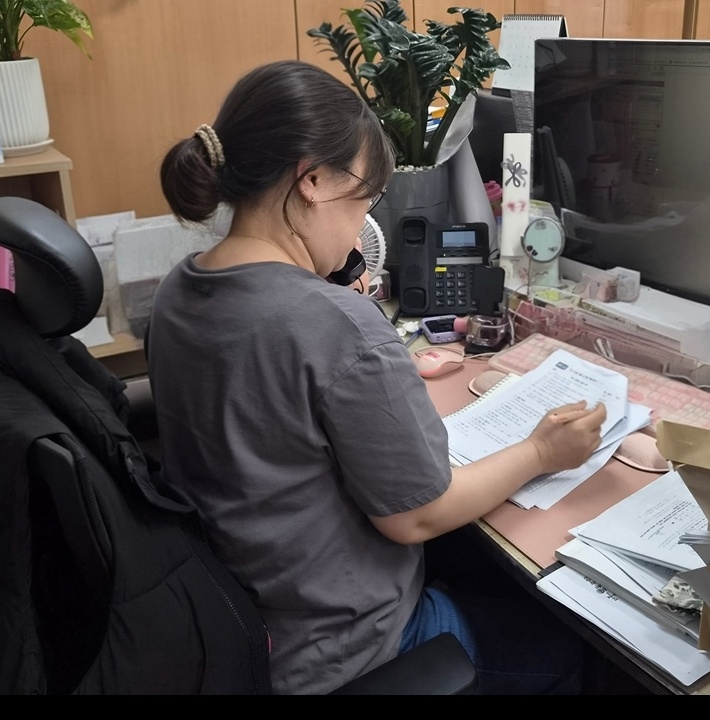
Under the Double Check system, the welfare team leader at each neighborhood community center conducts a second review of initial consultation results already gathered by welfare planners and welfare counseling specialists. The additional layer of oversight is designed to catch even minor warning signs in the field and connect high-risk households in welfare blind spots with tailored services in a timely manner.
The expansion of welfare blind-spot detection has driven a sharp increase in field consultations and investigation work, making quick and accurate assessment of crisis households critical. In response, Gwanak-gu is using the pilot to reduce inconsistencies in crisis assessment that can arise from differences in individual caseworkers' experience, while significantly strengthening its oversight function.
The pilot runs from June through December across four neighborhoods: Boraemae-dong, Seonghyeon-dong, Namhyeon-dong and Sinwon-dong.
Rather than simply confirming whether a household is in crisis — the approach taken under the existing system — the pilot adopts a field-centered model that conducts additional checks focused on six priority areas: risk to life and safety, abuse and violence, care gaps, livelihood and residential crisis, refusal of support, and loss of contact.
When initial consultations indicate a direct threat to life or safety, the district classifies the household as an emergency case and immediately coordinates with relevant agencies — including police, the fire department and mental health welfare centers — for a rapid response. For complex crisis situations involving abuse, violence or care gaps, the district holds weekly internal case conferences to develop tailored support plans.
To ensure support does not end with a single intervention, the district also discusses a comprehensive set of follow-up measures — spanning public benefits such as the National Basic Livelihood Security program, near-poverty support and emergency welfare assistance, as well as care SOS services, case management, mental health services and linkages to private-sector resources — with the aim of building a sustainable long-term management system.
"Identifying households in crisis is only half the task — what matters equally is ensuring the support they need reaches them on time, without anything being missed," District Mayor Park said. "Through Double Check, we will make sure no warning sign in the welfare field goes unnoticed, and build a tight welfare safety net that every resident of Gwanak-gu can count on."
seouldream01@heraldcorp.com