
First probe of former Joint Chiefs chairman since arrest warrant rejected
Special prosecutor weighing charges in cases identified late in investigation
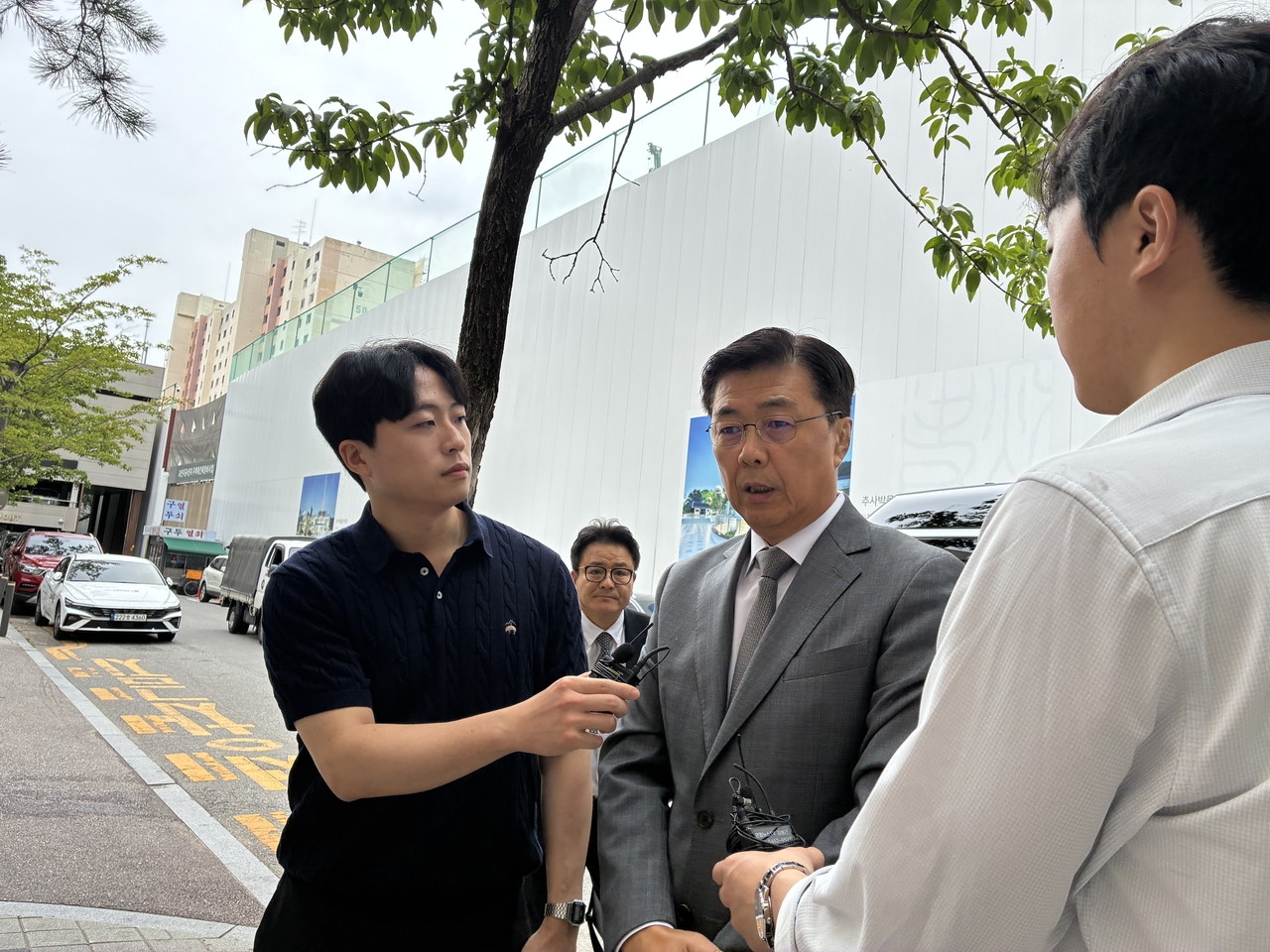
Hong Jang-won, the former first deputy director of the National Intelligence Service suspected of helping relay messages justifying the Dec. 3, 2024, martial law declaration to allied nations, appeared Monday for the third time before the secondary comprehensive special prosecutor's team — led by Special Prosecutor Kwon Chang-young — which is investigating allegations left unresolved after three earlier special counsel probes into insurrection, Kim Keon Hee and the Marine corporal case.
The special prosecutor's team summoned Hong to its office in Gwacheon, Gyeonggi Province, on Monday morning to question him as a suspect on charges of playing a key role in insurrection and violating the National Intelligence Service Act. It was his third round of questioning as a suspect, following an initial session on May 22 and a second on June 11.
Arriving at 9:27 a.m., Hong was asked whether the NIS had been ordered to support the Defense Counterintelligence Command or police. "As I said from the start, this is a matter of serious misunderstanding on the special prosecutor's part, and I have explained it clearly," he said. "I will cooperate fully with the investigation."
Hong's defense attorney said the NIS chief's authority does not automatically extend to everything the agency does. "There is an optical illusion at play here," the attorney said. "He briefly served as acting director before former Director Jo Tae-yong took office." The attorney added that there had been "absolutely no discussion" about any secondment to the joint investigation unit.
Hong is the figure who revealed, after the Dec. 3, 2024, martial law declaration, that then-President Yoon Suk Yeol had called him that night and told him to "round them all up." He also disclosed that he had heard a list of politicians to be arrested — including President Lee Jae Myung — from former Defense Counterintelligence Commander Yeo In-hyeong.
According to the special prosecutor's team, Hong is suspected of acting on orders from then-NIS Director Jo Tae-yong immediately after the martial law declaration to have the overseas division under his command deliver a message justifying the martial law to the CIA station in South Korea. Investigators also suspect that Hong chaired a division chiefs' meeting shortly after the declaration and established a communication channel with the Defense Counterintelligence Command.
The special prosecutor's team believes Yoon is at the top of the chain behind the alleged martial law justification messaging, and that the National Security Office coordinated with the NIS and the Ministry of Foreign Affairs to deliver those messages to allied nations. Former National Security Adviser Shin Won-sik and former first deputy national security adviser Kim Tae-hyo have both been booked on charges of playing a key role in insurrection.
The team believes the National Security Office sent the NIS a request to "explain the background of the emergency martial law to allied nations," along with a hangul-language briefing document, and that a division under Hong's command summoned the CIA station chief in South Korea to NIS headquarters for a briefing in line with that document. Investigators believe Hong was briefed on and approved every step of the process.
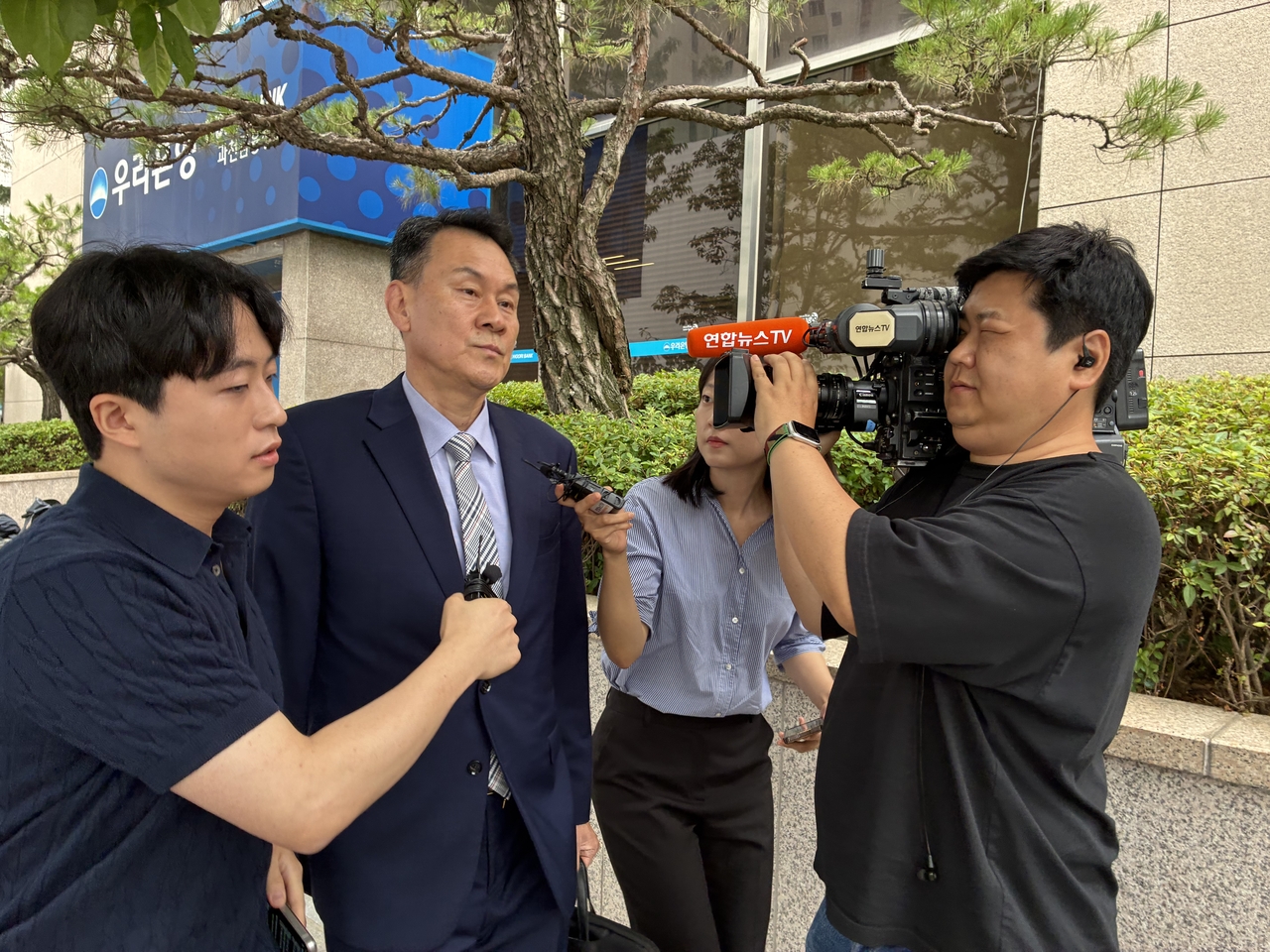
Hong, however, denies the charges. After his first session on May 22, he said the special prosecutor appeared to have "seriously misunderstood" the situation and that he had "fully cleared up the misunderstanding." The special prosecutor's team nonetheless pressed ahead with a second round of questioning on June 11, saying it would examine his movements "from the moment martial law was declared through the vote to lift it."
The alleged martial law justification messaging is the case that formed the basis of the special prosecutor's first suspect interrogation of Yoon on June 6. The team has booked Yoon on charges of abuse of authority obstructing the exercise of rights. Yoon denies the charges, arguing that because the martial law declaration was neither unconstitutional nor unlawful, the transmission of the messages was also legitimate.
The special prosecutor's team also summoned former Joint Chiefs of Staff Chairman Kim Myung-soo on Monday for questioning over the Joint Chiefs' alleged involvement in the martial law declaration. It was the first session since a court rejected an arrest warrant on charges of playing a key role in insurrection on June 15. The Joint Chiefs' alleged involvement is the special prosecutor team's first self-initiated case.
Kim arrived at the special prosecutor's office at 9:31 a.m. When reporters asked whether he expected the special prosecutor to push ahead with an indictment, he said, "My philosophy and convictions remain unchanged, and I intend to present my case based on the facts and the truth."
According to the special prosecutor's team, Kim held military command authority during the martial law situation and had the power to restrain the unlawful deployment of troops but failed to exercise it. Judge Bu Dong-sik of the Seoul Central District Court, who presided over the warrant review, rejected the warrant, saying "there is room for dispute over the primary charges and the right to mount a defense must be guaranteed."
The court did, however, issue arrest warrants for former Joint Chiefs Vice Chairman Jeong Jin-pal, former Joint Chiefs readiness inspection vice chairman Lee Jae-sik and former Army headquarters policy chief Kim Heung-jun on charges of playing a key role in insurrection. The special prosecutor's team is expected to indict Kim alongside the three, taking into account the detention period for Jeong and the others.
bell@heraldcorp.com





