![[Getty Images Bank]](https://wimg.heraldcorp.com/news/cms/2026/06/22/news-p.v1.20260504.92d9a358eb3047ffbfdba7646b7e5e26_P1.jpg)
Outstanding card loan balances have surpassed 43 trillion won, setting a new all-time high, as a spillover effect from tighter bank lending regulations and demand for stock investment funds combined to drive borrowing higher.
According to the Credit Finance Association, the combined card loan balance of nine card companies — Lotte, BC, Samsung Card, Shinhan Card, Woori, Hana Card, Hyundai Card, KB Kookmin and NH Nonghyup — stood at 43.25 trillion won at the end of May, up 270.4 billion won from the previous month.
By company, Shinhan Card held the largest balance at 8.15 trillion won, followed by Samsung Card at 6.75 trillion won, Hyundai Card at 6.19 trillion won and KB Kookmin Card at 6.46 trillion won. Lotte Card stood at 5.04 trillion won, NH Nonghyup Card at 3.36 trillion won, Woori Card at 4.28 trillion won and Hana Card at 2.97 trillion won.
Card loan balances rose for three consecutive months at the start of the year, setting successive records, before dipping 11.2 billion won at the end of April and rebounding in May. Starting at 42.585 trillion won at the end of January, balances climbed 317.2 billion won in February and 92 billion won in March to reach 42.99 trillion won, before edging down slightly in April and surging to a fresh record this month.
Industry officials point to seasonal spending demand during the family month of May and a balloon effect from tighter bank lending as the main drivers. "There was demand for funds during the family month holidays, and it seems some borrowers turned to card loans after being unable to secure bank loans," an official at one card company told Yonhap News Agency.
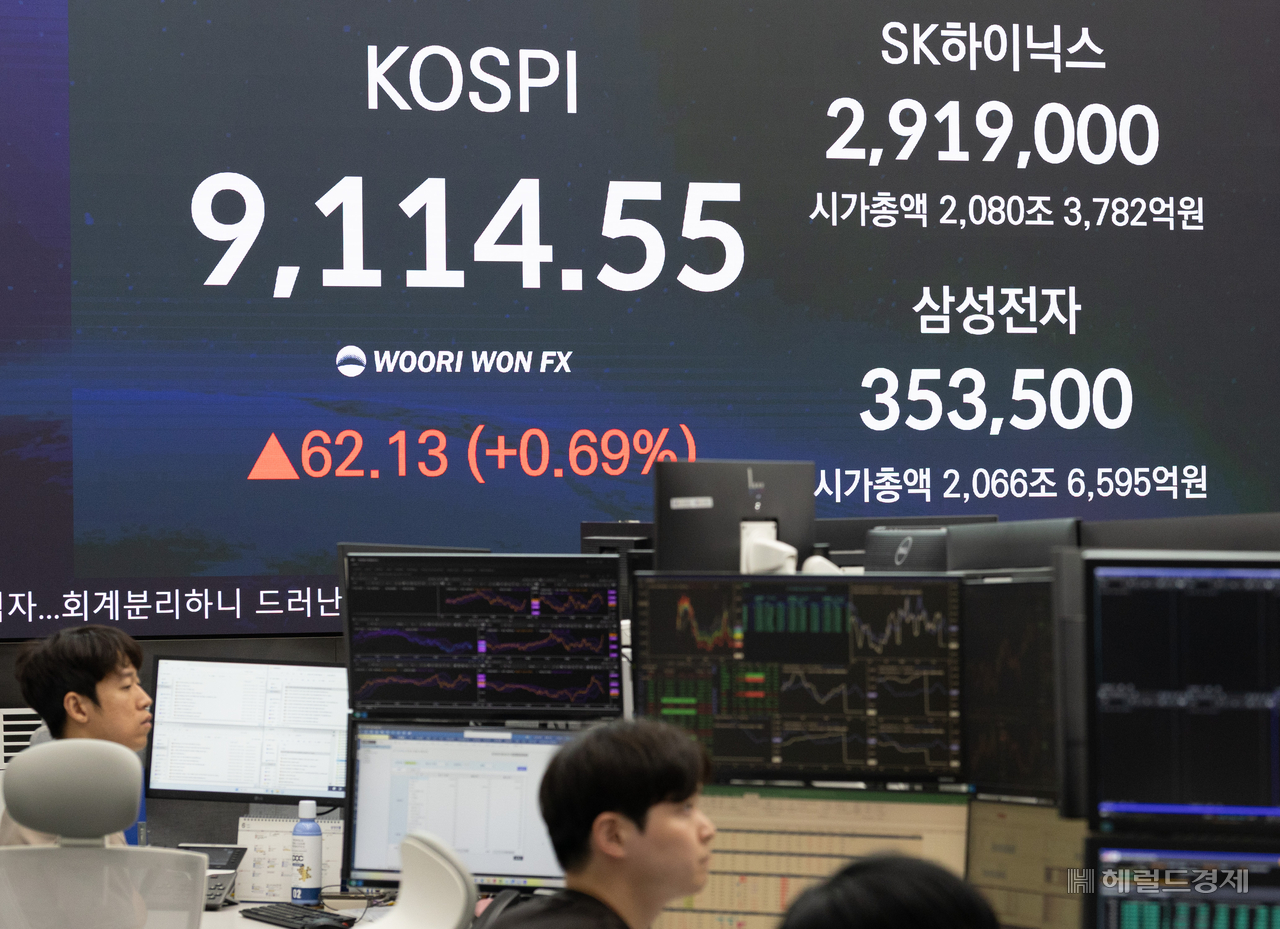
The possibility that a buoyant stock market has drawn in debt-fueled investment — known locally as "bittoo," or borrowing to invest — has also been raised. "The stock market is the most likely destination for the money right now," another card company official said, adding that stock investment loans may have compounded the family month effect. However, some in the industry are skeptical about how significant the debt-fueled demand actually was, noting that card loan interest rates start at 8 to 9 percent.
Margin loan balances, a key indicator of debt-fueled investing, also swelled. As of June 18, the outstanding balance stood at 37.98 trillion won — the highest level since the all-time record of 38.02 trillion won set on May 29. The margin loan balance in the main stock market approached its all-time high at 28.93 trillion won.
Meanwhile, the Financial Supervisory Service called in officials from some card companies at the end of last month to urge restraint in household debt management, according to sources familiar with the matter. Financial regulators have already instructed the industry to keep the growth rate of household loans — including card loans — at around 1.5 percent this year.
dbsdn1110@heraldcorp.com