K-ramyun corners in neighborhood shops, beverages and ice cream in hypermarkets; ramyun exports to Uzbekistan jumped eightfold in five years, hitting $3.59 million in just five months this year
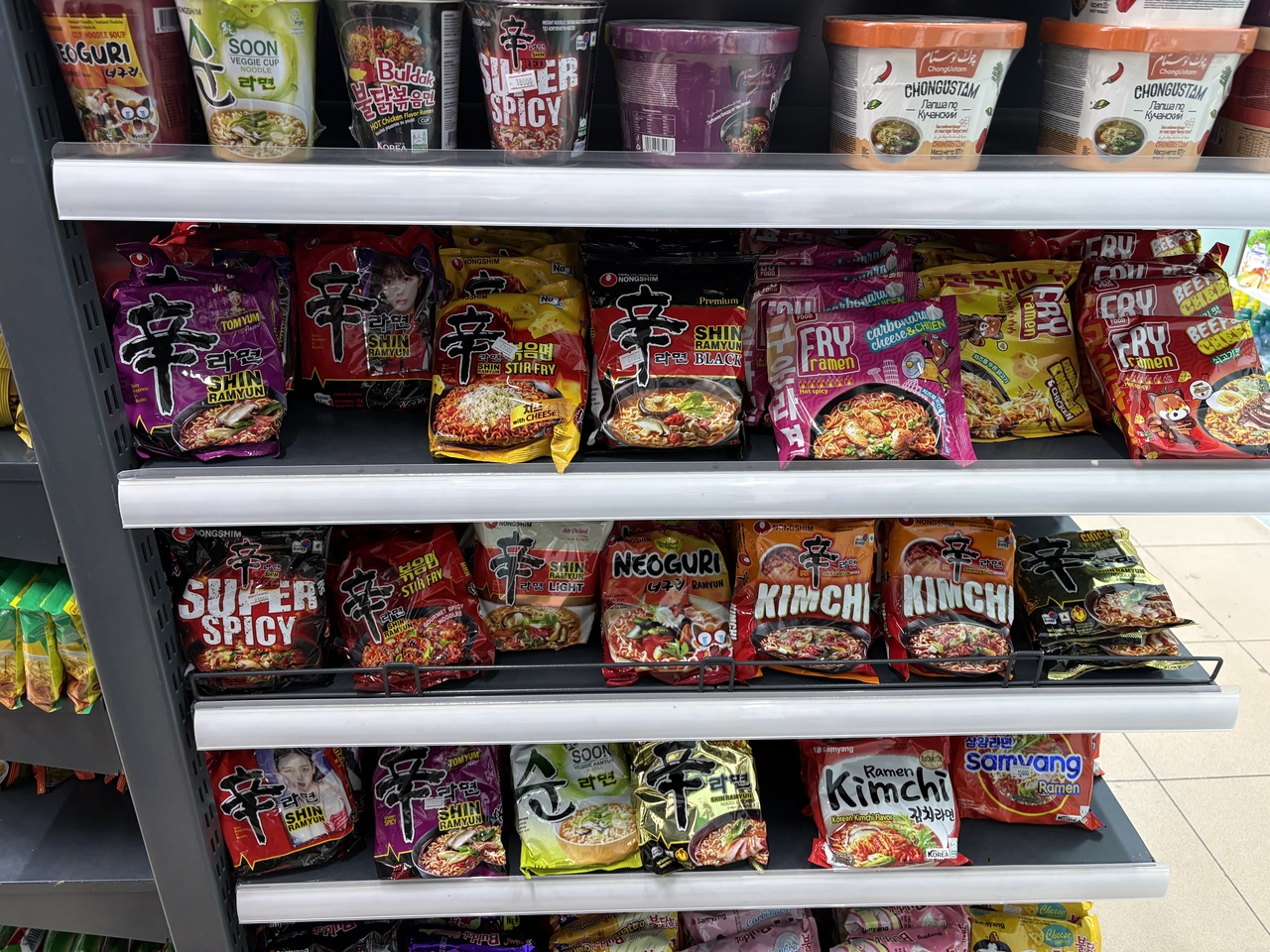
TASHKENT — A supermarket near Tashkent's airport on June 21 (local time) was barely wide enough for two people to stand side by side in its aisles, yet a dedicated K-ramyun corner commanded immediate attention. The shelves were packed with some of Korea's most recognizable brands — Buldak Bokkeum Myun, Shin Ramyun, Shin Ramyun Bokkeum Myun, Neoguri and Samyang Ramyun. It was a snapshot of how the K-food wave has reached even a small supermarket in Central Asia.
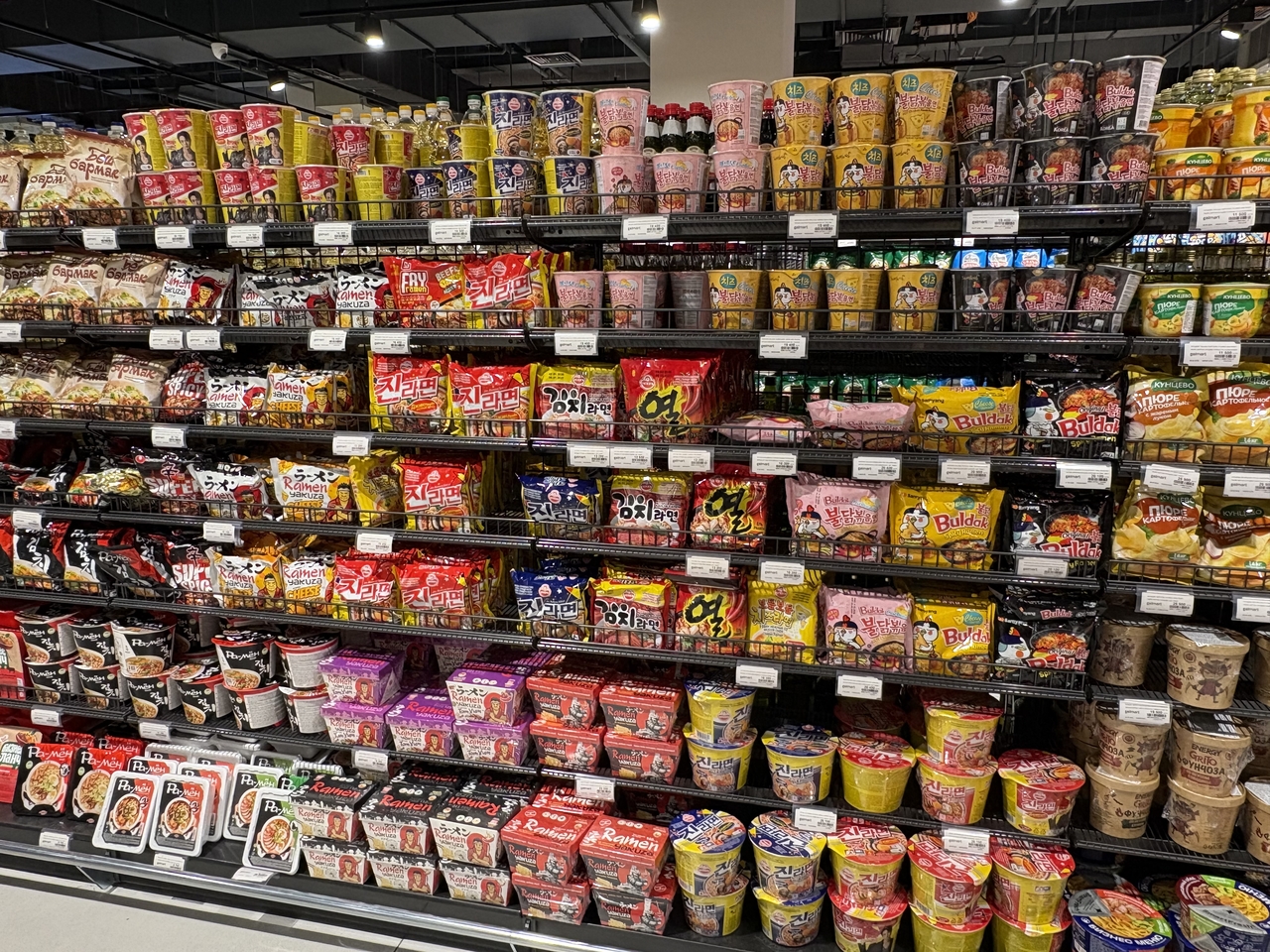
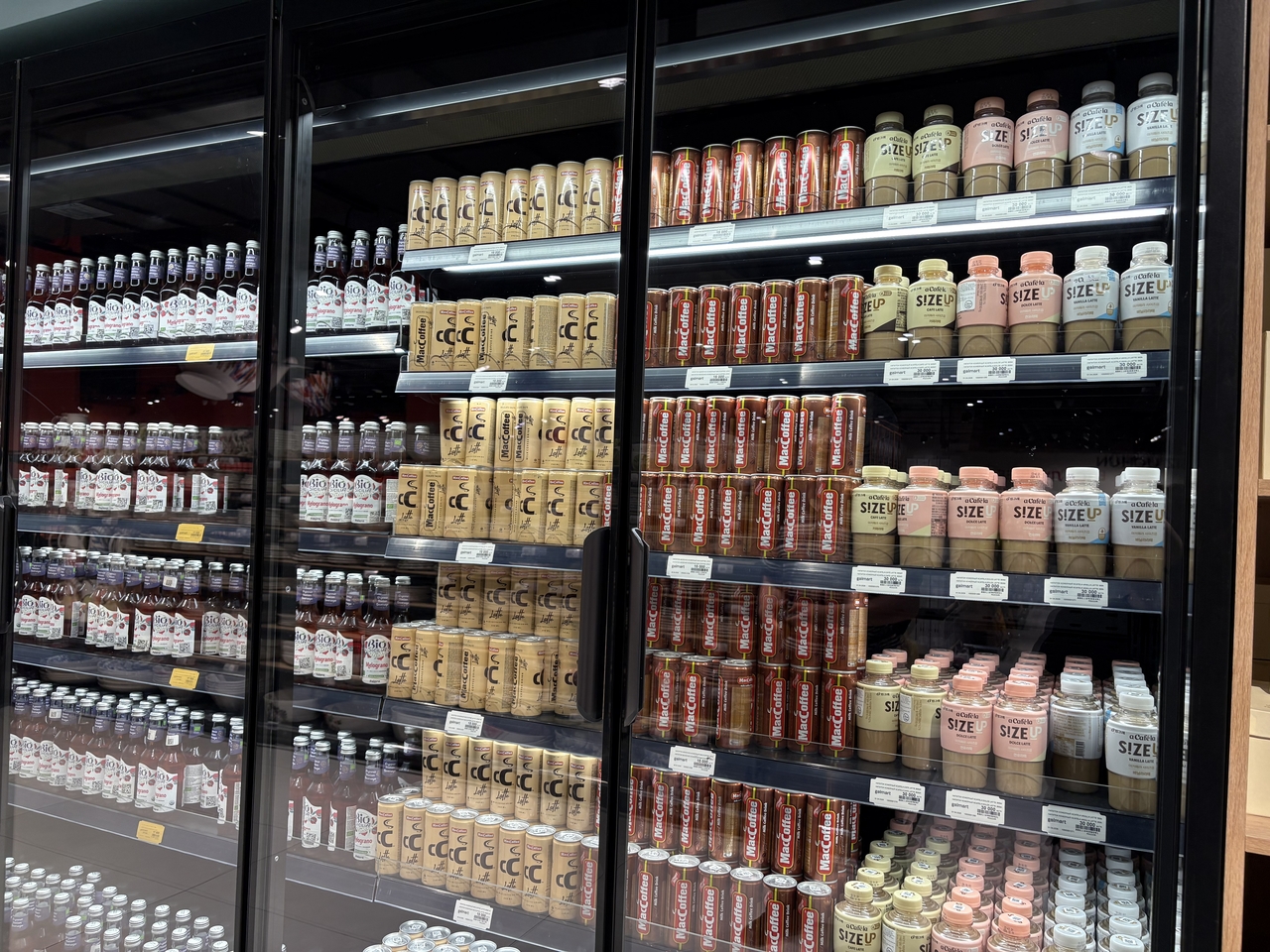
The trend was equally visible at upscale grocery stores in the city center. Galmart, a premium food retailer inside Tashkent City Mall, stocks a wide range of K-food products. Its ramyun section carries both bag and cup versions of Buldak Bokkeum Myun, Jin Ramyun and Yeol Ramyun. In the ready-to-drink beverage aisle, Binggrae's Acafela coffee sits alongside local tea and coffee brands. The ice cream section features Chaltteok Ice, Chal Oksusu, Subak Bar, Jaws Bar and Pepero Bar, while a variety of Korean seaweed products — including kimbap seaweed sheets and seasoned seaweed — round out the Korean offerings.
Until recently, Uzbekistan and Central Asia more broadly were largely untapped territory for K-food, with no Korean food company having established a formal local subsidiary in the region. But demand has grown, driven by a young population and an expanding middle class familiar with hallyu content and eager to try new flavors. The spread of modern retail channels — hypermarkets and convenience stores — has made K-food products such as ramyun and snacks increasingly accessible, and a market is now taking shape.
According to Korea Customs Service trade statistics, South Korea's ramyun exports to Uzbekistan were limited to $800,000 in 2021. They crossed the $1 million mark the following year, then climbed to $1.85 million in 2023, $3.61 million in 2024 and $6.49 million in 2025 — a more than eightfold jump in five years. This year, $3.59 million worth of ramyun was exported in just five months, making a new annual record all but certain.
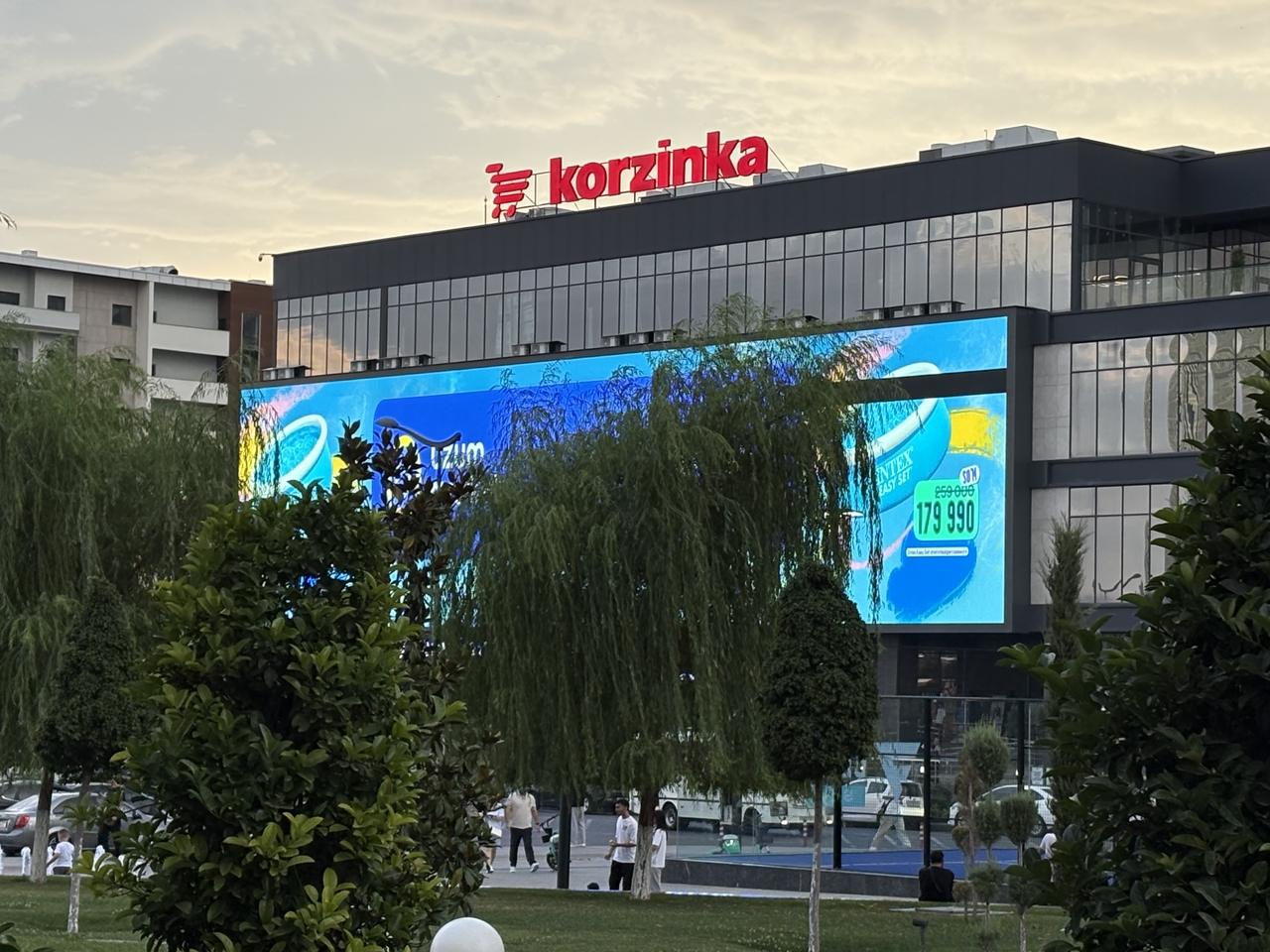
The footprint of K-food in Uzbekistan looks set to grow further. South Korea's embassy in Uzbekistan, KOTRA and the Export-Import Bank of Korea last month signed an agreement with Korzinka, the country's top retail chain, to open dedicated K-food sections in its stores. The arrangement covers not only ramyun but also snacks, beverages and fresh and processed foods including fruit. The rollout is set to begin at stores in Tashkent before expanding nationwide.
Korean franchise brands are also lining up to enter the Uzbek market. Mom's Touch, a homegrown burger and fried chicken brand, signed a master franchise agreement with Uzbek food and beverage company ONE FOOD LLC in September last year. The plan calls for opening a flagship store in a prime Tashkent commercial district and eventually growing to 60 locations; a local website is currently in preparation. Other international burger brands already operating in Uzbekistan include KFC and Wendy's.
Uzbekistan is Central Asia's largest country by both population and economic output, and is home to roughly 170,000 Koryo-saram — ethnic Koreans — the largest such community in any single country. Its position also makes it a natural gateway for expansion into neighboring Central Asian markets such as Kazakhstan and Kyrgyzstan.
A Binggrae official said the company has been watching Central Asia as its next target market after expanding exports to North America, China and Southeast Asia. "South Korea enjoys a strong image here, and there is already a well-established Korean diaspora community centered on the Koryo-saram, which we see as an important customer base," the official said.
spa@heraldcorp.com