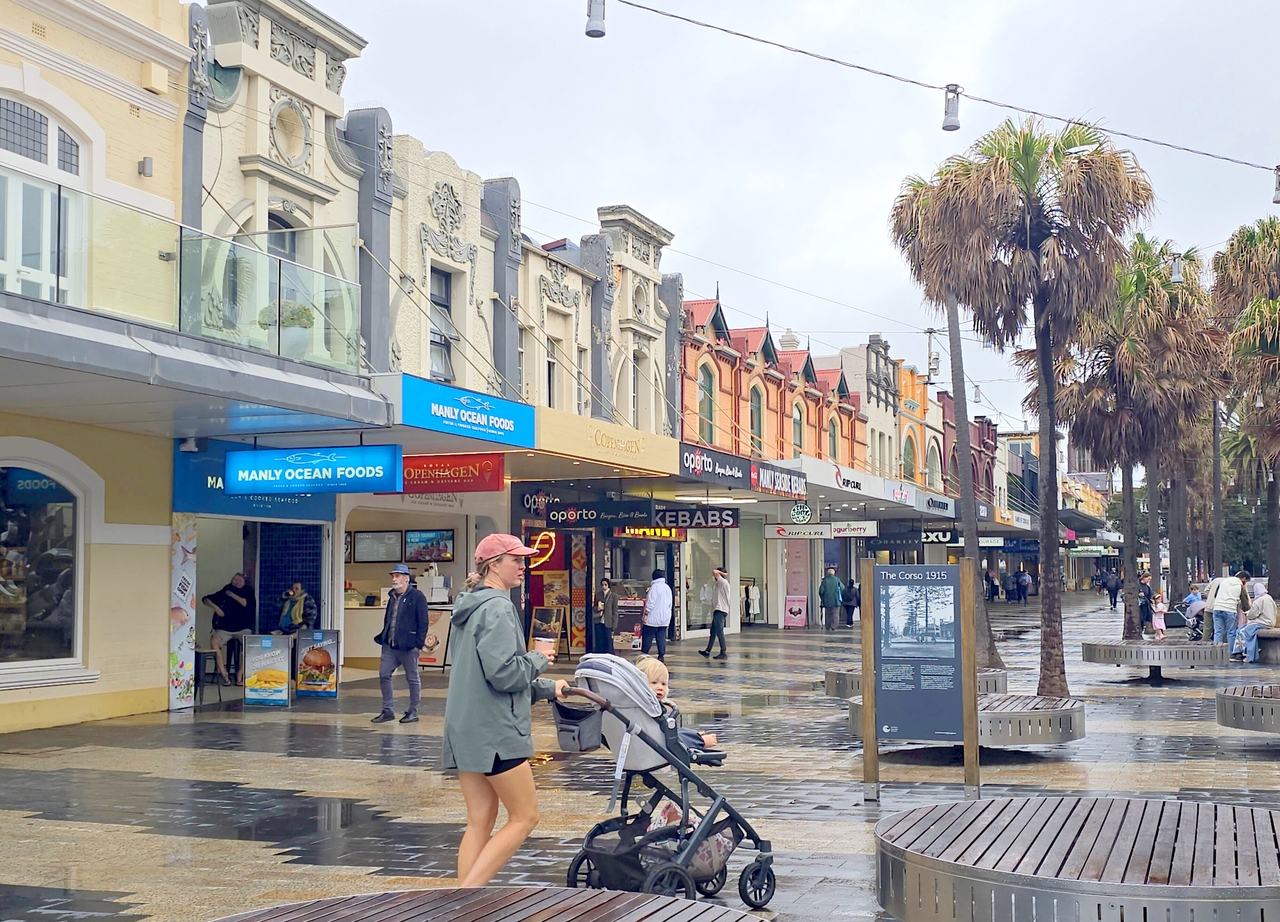
Victorian-era buildings and quaint shops line the main street; Australia's first surfing competition was held here 60 years ago; Sydney Harbour National Park stretches beautifully to the south

Next stop: Manly.
Most visitors to Sydney put Bondi Beach at the top of their list, but Manly Beach — though many Koreans have heard of it — remains a place relatively few have actually visited.
True to its name, Manly offers waves tailor-made for surfing, yet the suburb's real character is surprisingly gentle and charming, packed with small delights that make it a destination in its own right. Sydney Harbour National Park, which fans out to the south and west, adds further depth to any trip here.
Manly sits about 30 minutes from Circular Quay by ferry. Visitors can surf, snorkel at Shelly Beach, and stroll the coastal walkway. The area also rewards those drawn to cultural history — forest trails overlooking the sea, convict-built structures and military fortifications, Indigenous heritage sites, and historic lighthouses all await.

Manly connects to the south with Sydney Harbour National Park, which stretches across the North Head peninsula — shaped like a turtle's neck — and along the coast to the west. Visitors who want to see both Manly and the national park face a familiar dilemma: walking the full distance for two hours straight is hard on the legs, yet driving means missing the string of attractive spots that run unbroken between the two. The practical solution is to walk most of the way and take a short taxi ride once or twice. If you plan to visit the national park first and then head to Manly, call a taxi to North Head's Fairfax Lookout as your starting point. The ride back to Manly is so short you may wonder whether you should have just walked.
Manly actually faces two separate bodies of water, a consequence of its position on the peninsula — shaped like a turtle's neck leading to the national park headland.
Stepping off the ferry at the southern harbor wharf and crossing Manly's main street — a roughly seven-to-ten-minute walk through a mix of Victorian-era buildings and modern facilities — brings you to the northern beach. That northern shore is where Australia's first surfing competition was held, in the 1960s.
Manly's main street is not one you can simply pass through. Stop to look around and you will easily spend 30 minutes covering a stretch that would otherwise take ten.
Clothing designed and made in Sydney, souvenir shops, inviting restaurants, ice cream parlors, hotels housed in original Victorian buildings, and a row of small arcade shops beneath a chain of pointed English-style rooflines — all conspire to slow any traveler down.
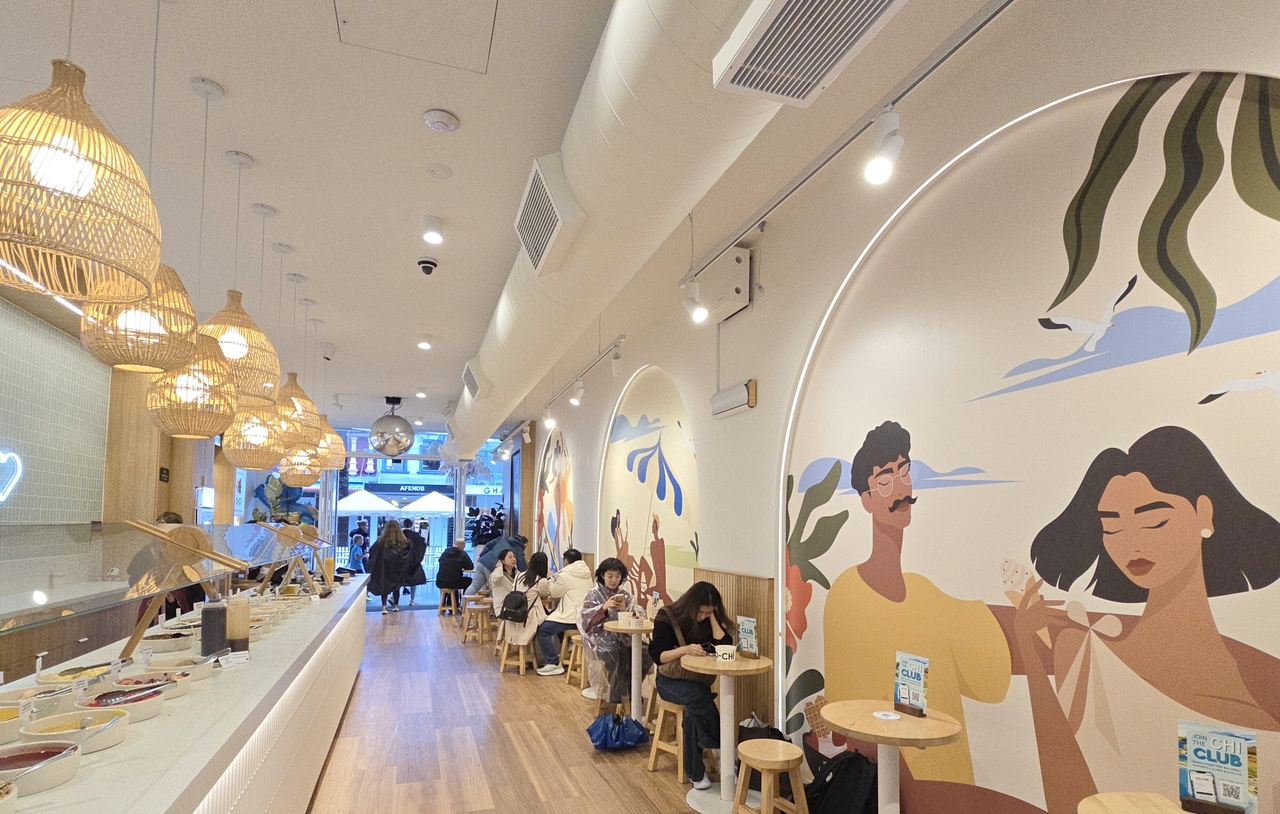
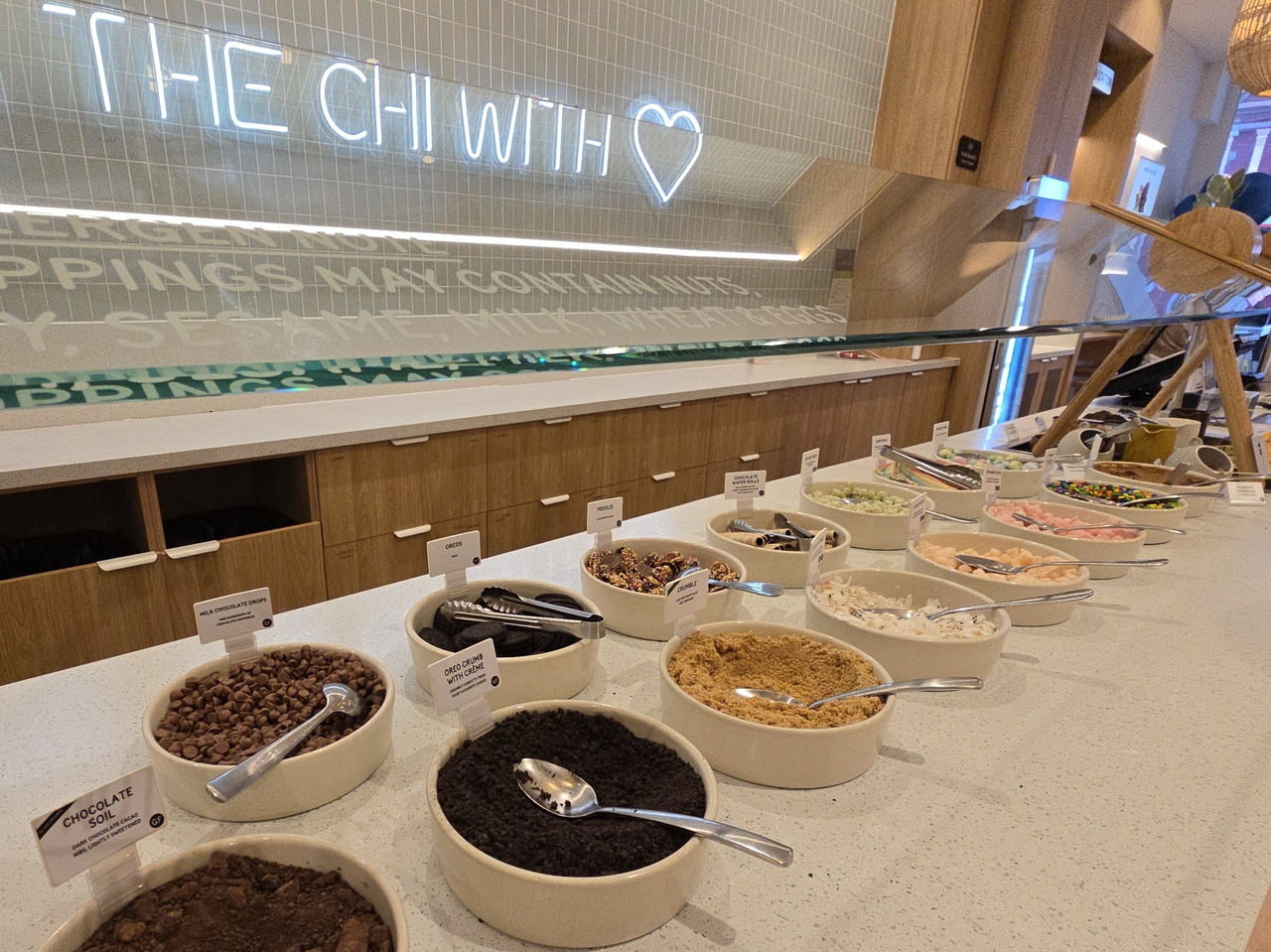
The Yochi ice cream shop is a standout: it offers a wide selection, uses a clever self-serve system where customers dispense as many flavors as they like from tap-style containers and pay by weight, and incorporates local Sydney ingredients and sauces for a range of distinctive tastes.
With around 10 ice cream flavors and some 20 toppings, the possible combinations run into the hundreds. Yochi, along with Anita Gelato, comes highly recommended by Australian ice cream enthusiasts and is well worth seeking out.
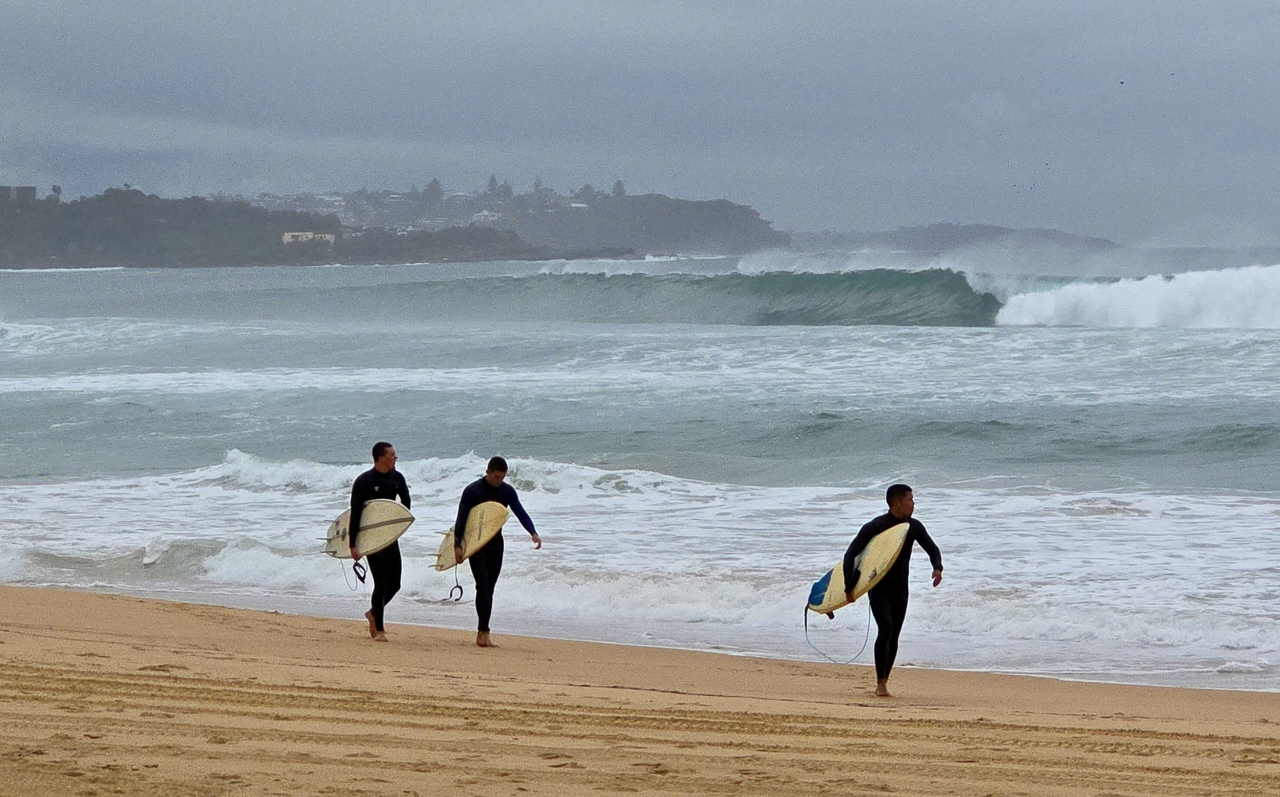
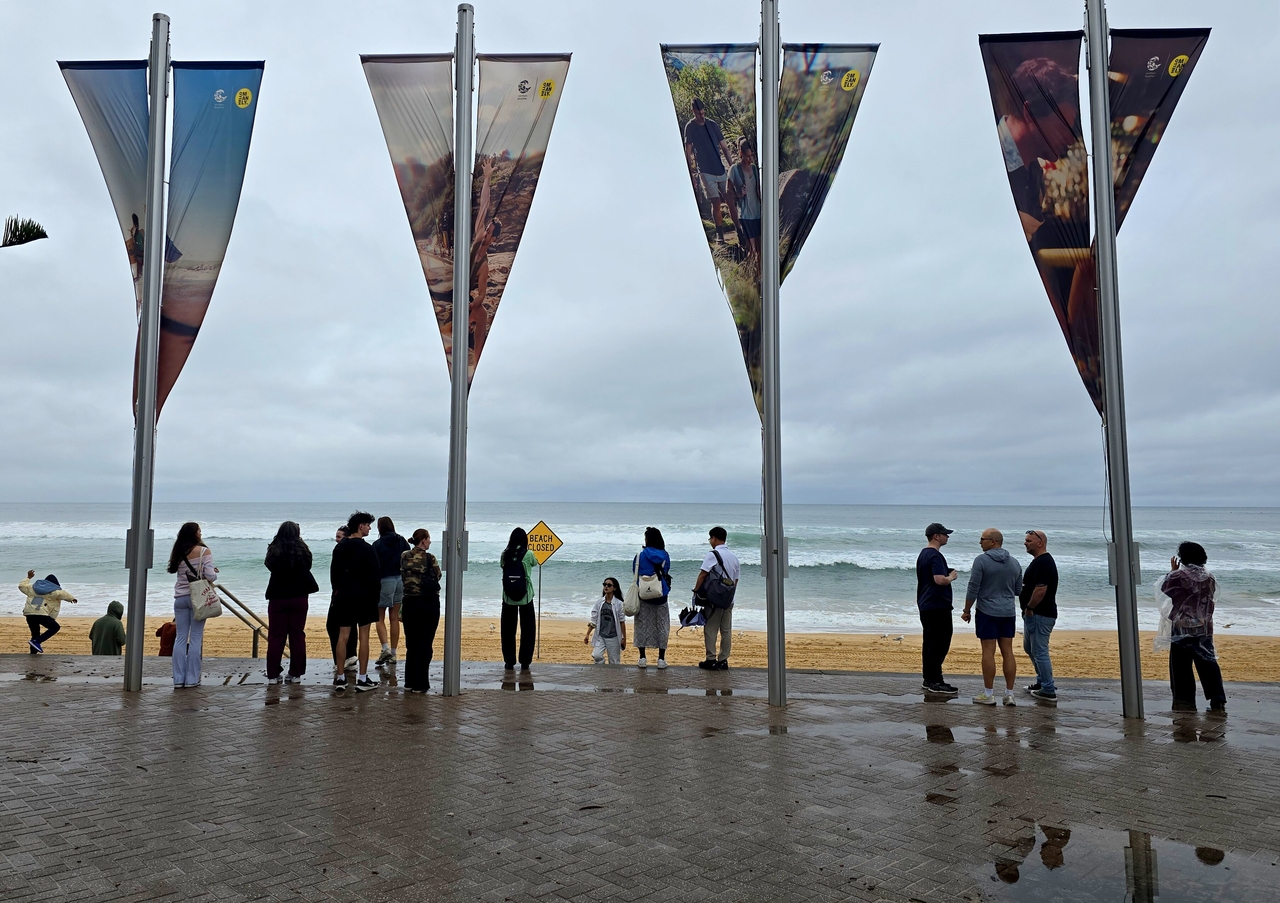
Manly Beach lives up to its reputation as a surfing mecca, drawing a high concentration of semi-professional surfers. The beach's unofficial motto — "surf is tough" — rings true as you watch skilled riders tackle the powerful swells. Korean surfers with some experience are especially encouraged to take on the challenge.
For those who prefer to watch, Manly Beach is a spectacle in itself. Waves build toward the shoreline, cresting into foam before curling into tunnels that carry surfers through — scenes that look lifted straight from a desktop wallpaper.
Manly Surf School has been operating for more than 25 years and is the largest surfing school in Sydney. It runs year-round, offering both daily group lessons and private instruction.
The Manly Art Gallery and Museum (MAG&M), located at Manly Cove near the wharf, serves as the visual arts hub for the Northern Beaches area. Founded in 1930, the gallery tells the stories of Australian artists through exhibitions featuring both emerging and established names, alongside permanent collections specializing in ceramics and beach history. The MAG&M Design Shop sells works exclusively by local artists and craftspeople.
The powerful surf that defines Manly Beach subsides quickly just one to two kilometers to the south, where the water at the entrance to Sydney Harbour National Park turns calm and gentle. Paddleboarding and children's water play are common sights here.
The full walking route takes in the Scenic Walkway — running from the western edge of Sydney Harbour National Park, where Indigenous rock engravings have been found, to the entrance of the North Head peninsula — as well as the Fairfax Walk from the park's entry point and the coastal trail along the peninsula to North Head itself.
Covering the full 20 kilometers on foot is a tall order for most visitors. The Fairfax Walk, at just over one kilometer, is the most accessible stretch — a flat, barrier-free path suitable for families with children, wheelchair users, and elderly visitors alike.
Alternating between driving and walking, a daily tour covering Ku-ring-gai Chase National Park, Indigenous rock engraving sites, Manly Beach, and Sydney Harbour National Park can be a smart way to take it all in.
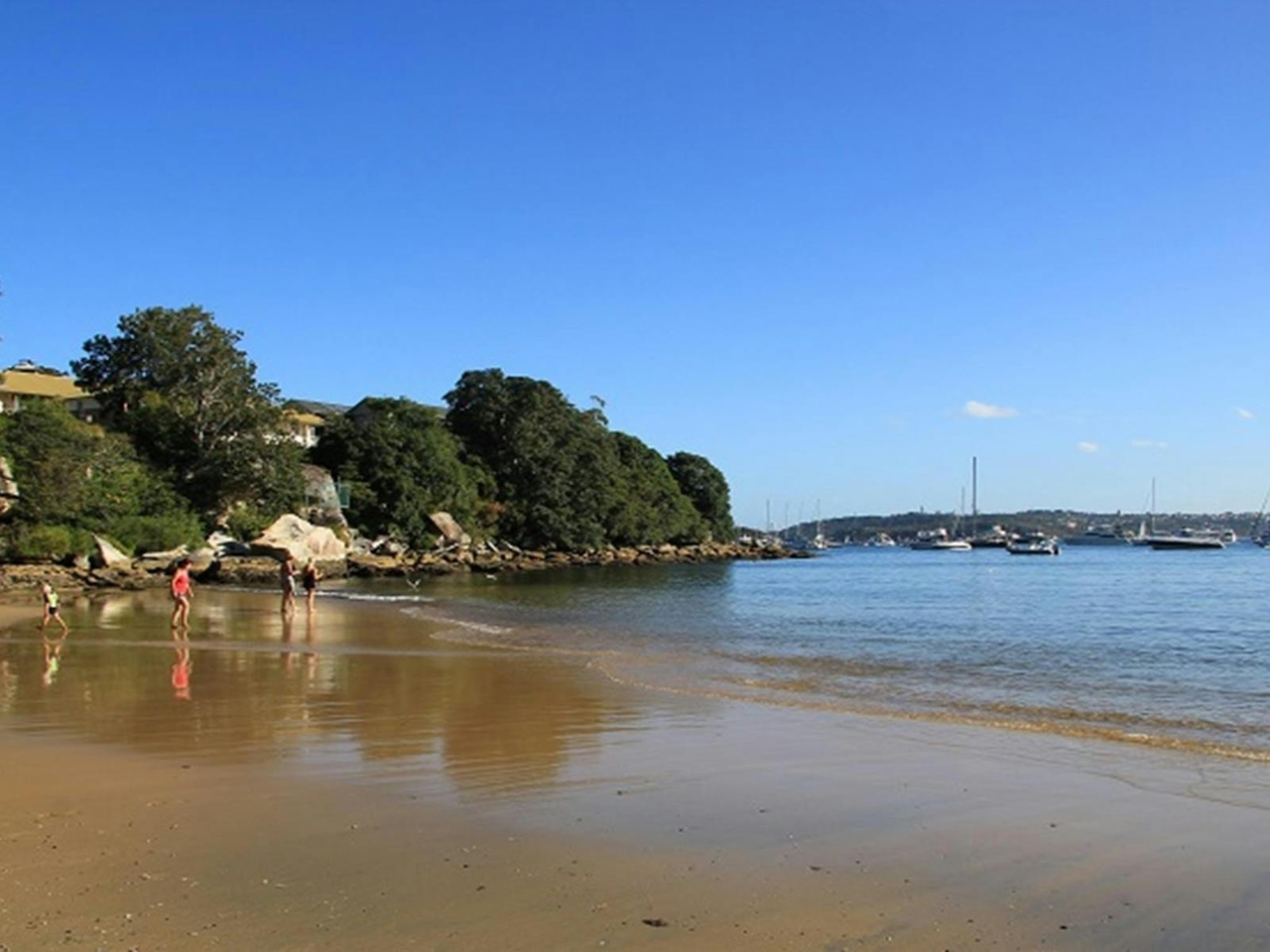
Inside Sydney Harbour National Park, North Head sits at the southern tip of the North Head peninsula — which may seem counterintuitive, but makes sense once you understand that "North" refers to its position as seen from Sydney's harbor and city center, where it forms the northern headland. The peninsula's shape closely resembles the outline of Gyeonggi Province. Manly, sitting slightly to the north, occupies what would be the turtle's neck in that analogy.
Collins Flat Beach lies between North Head and Little Manly Cove — roughly where Incheon would appear on a map of the Gyeonggi region. It is an ideal spot for a picnic, with beautiful harbor views stretching out before you.
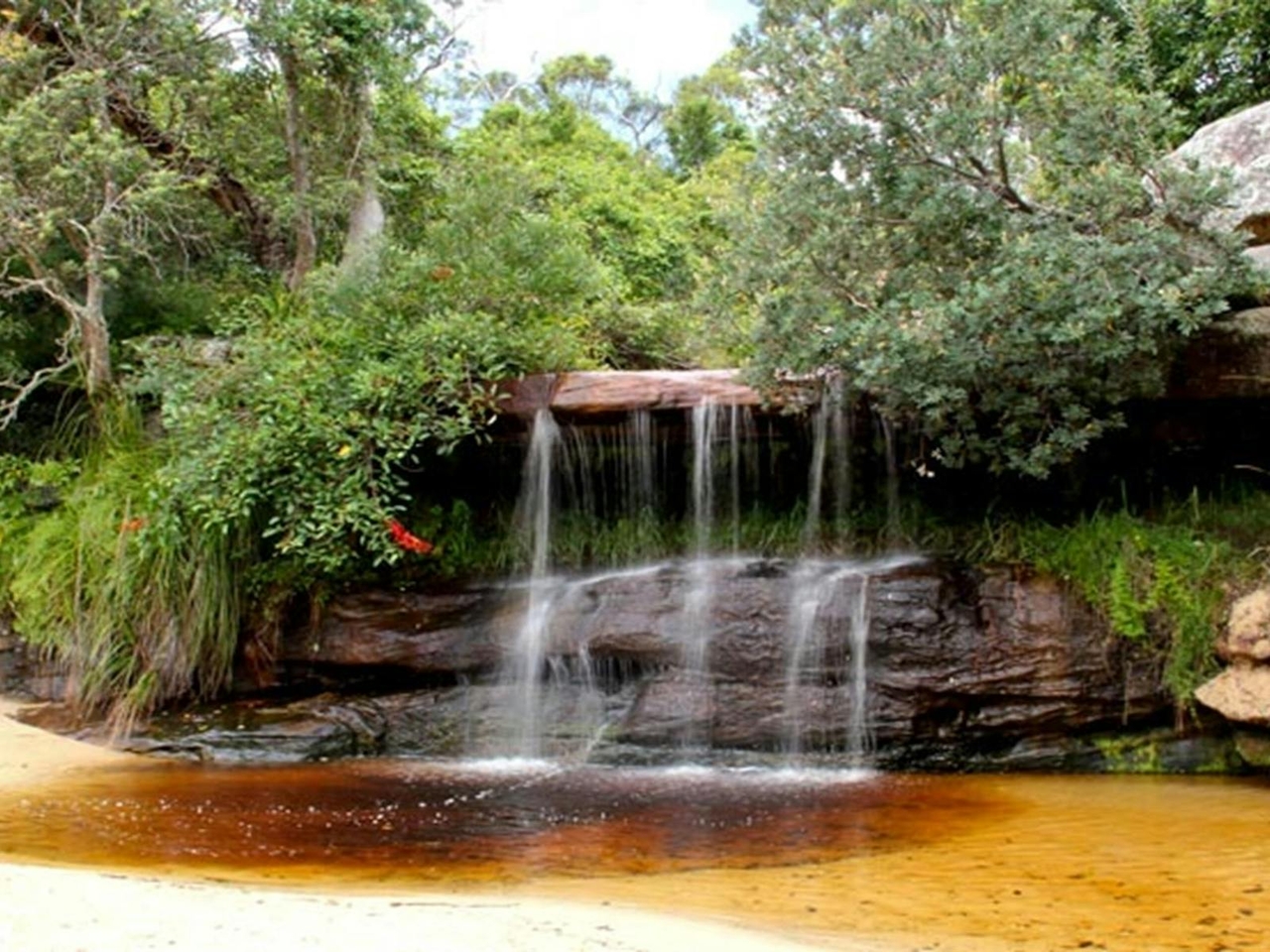
A small beach, a freshwater waterfall, forest, and rock formations come together here to create what may be the finest family picnic spot in the area. Visitors can swim in the calm water or simply sit with a packed dosirak and take in the scenery. This hidden beach, with its striking natural beauty, feels like a world apart from the bustle of the city.
Heading south along the peninsula, Fairy Bower Rock Pool sits between Marine Parade and the sea — a 20-meter natural rock pool that has been welcoming swimmers since 1929, when the surrounding sandstone was lightly shaped and the pool was prepared for swimming. A sculpture called "Oceanides" — the sea nymphs of Greek mythology — stands at the pool's edge and has become a favorite photo spot for visitors.
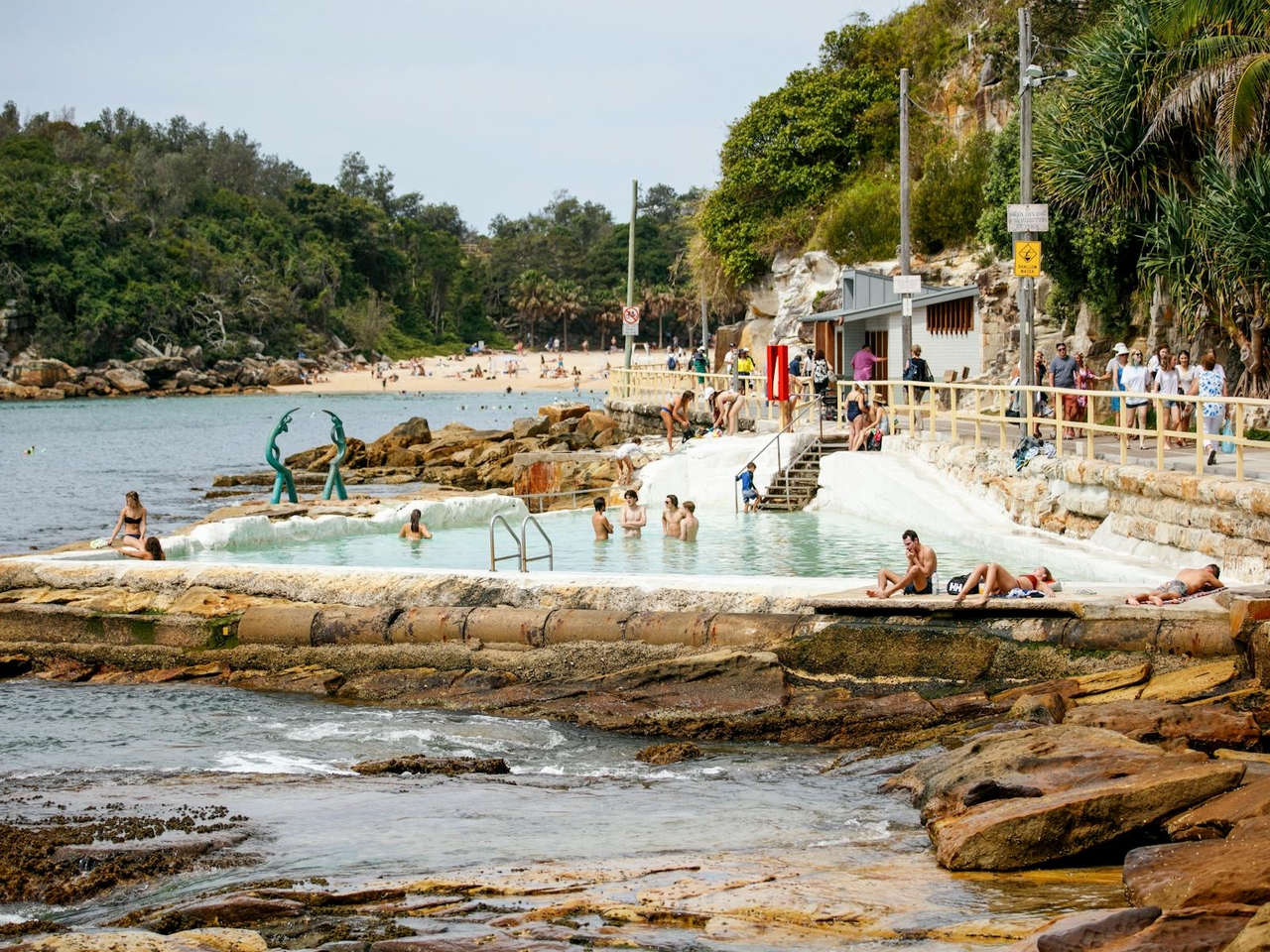

On the western side of the North Head peninsula, facing across to Dobroyd Head, the Arabanoo Lookout offers sweeping views of both North Head and South Head, as well as the vast Pacific Ocean. Visitors also use telescopes here to spot whales passing offshore.
The Grotto Point Lighthouse on Dobroyd Head lights the northern shore of Sydney Harbour National Park at night; by day, its white body adorned with red markings radiates its own quiet charm. Built in 1910, it has earned the nickname "Disney Castle."
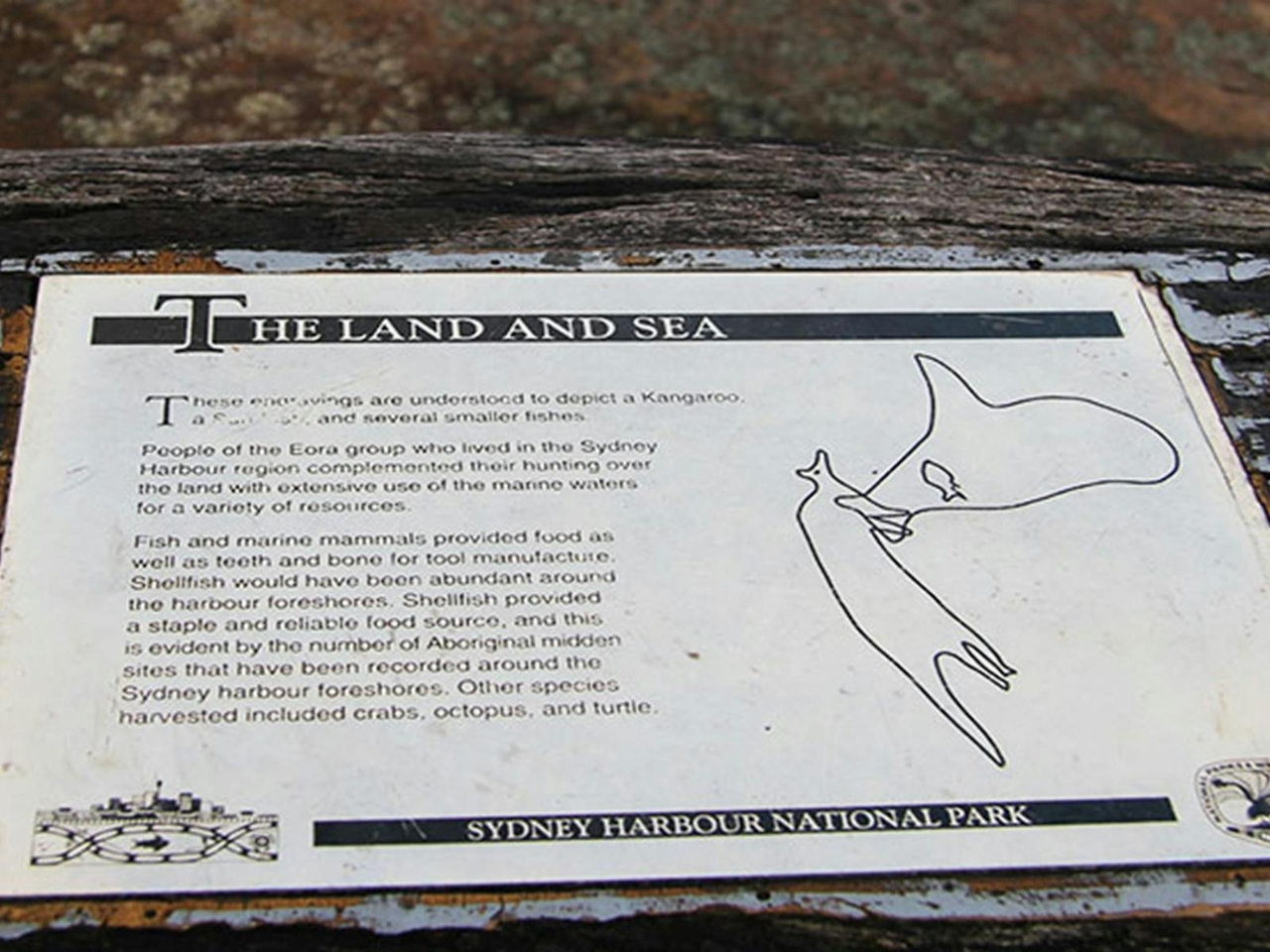
Grotto Point is also home to Indigenous rock engravings carved into sandstone — hunters, fishermen, marine animals, and land animals depicted in images that are remarkably well preserved. A giant kangaroo, a boomerang-shaped whale, and multiple fish figures are among the forms visitors can find.
Crossing back over the Harbour Bridge from north to south and returning to the Sydney city center, the tip of Watsons Bay — where Gap Park is located — also falls within Sydney Harbour National Park.
At the very end of the headland, shaped like a seahorse, stands Hornby Lighthouse — a sight not to be missed.
Many people have heard of Manly and Sydney Harbour National Park, but few visitors have explored their hidden corners in depth. Both are well worth carving out time for, whether on a Free Independent Travel itinerary or during free time on a semi-package tour.
abc@heraldcorp.com