PMI surveys 1,000 adults nationwide
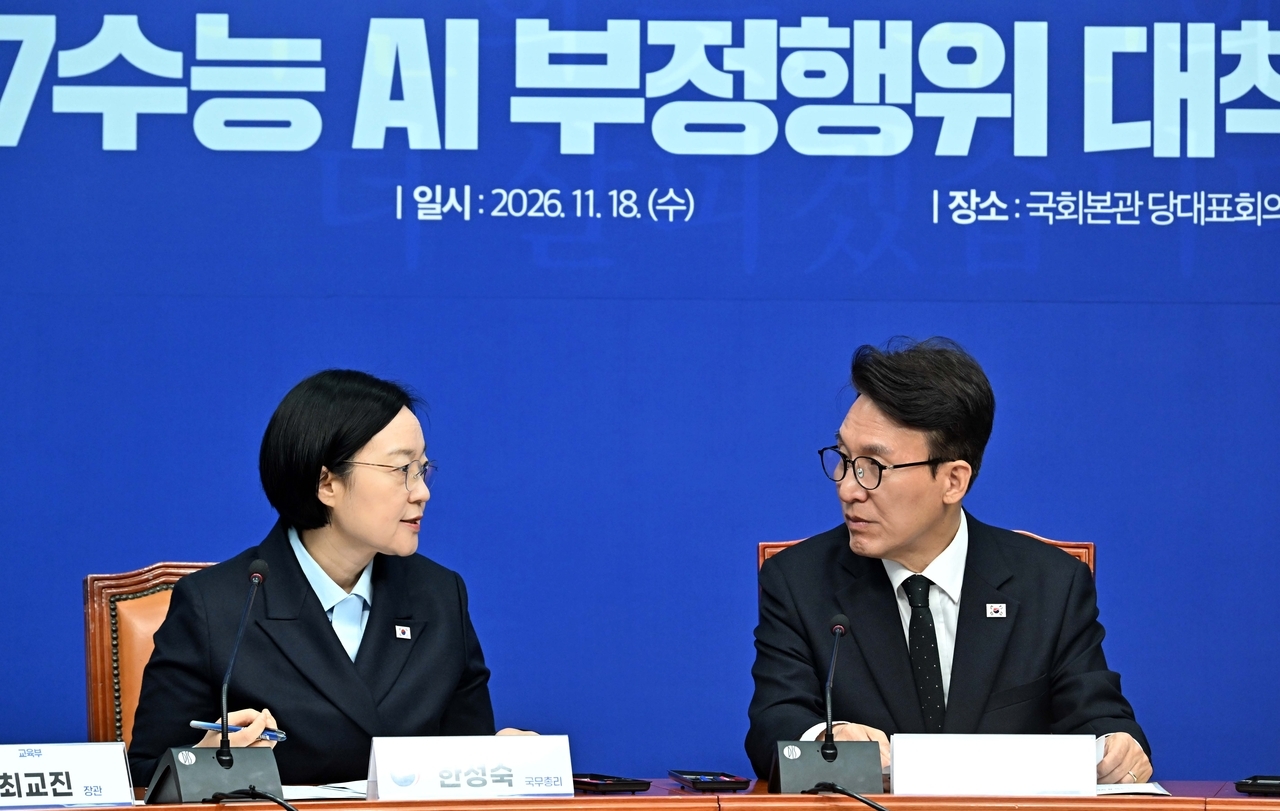
With the College Scholastic Ability Test just one day away and an investigation ongoing into a top scorer on the national tax accountant licensing exam who allegedly used generative AI to cheat, about eight in 10 South Koreans say they now trust high exam scores less than before, a new survey shows.
Research and data intelligence firm PMI surveyed 1,000 adults aged 20 to 59 nationwide on perceptions of exam fairness in the AI era. Some 79.5 percent of respondents said their trust in high scorers' results had fallen since the cheating case came to light.
Of those, 40.1 percent said their trust had fallen "significantly," while 39.4 percent said it had fallen "somewhat." Only 8.4 percent said their trust was unchanged. Among age groups, those in their 40s recorded the highest share of "significantly less trust" at 46.0 percent.
On the question of tightening exam-hall oversight — including thorough bag checks, radio-frequency detection and CCTV monitoring — 46.7 percent said such measures should be "actively strengthened even if there are privacy concerns," and 30.3 percent said they should be "strengthened in a limited way that minimizes privacy intrusion." In total, 77.0 percent supported stricter supervision.

When asked what measure should take priority in preventing AI-assisted cheating, respondents most often chose "introducing advanced cheating-detection equipment such as radio-frequency scanners" at 33.7 percent. That was followed by "strengthening penalties and exam-eligibility restrictions" (15.9 percent), "reforming exam and assessment formats to make cheating harder" (13.5 percent), "tightening checks on electronic devices and personal belongings at exam-hall entry" (13.2 percent), "strengthening post-exam verification of results where suspicious circumstances are confirmed" (12.4 percent), and "expanding exam supervision personnel and management systems" (11.3 percent).
Asked about the direction exam and assessment systems should take in an era of widespread AI, the single most common response — at 37.0 percent — was that existing exam formats should be maintained while AI cheating oversight is strengthened.
PMI chief executive Jo Min-hee said the survey confirmed that AI-assisted cheating has moved beyond concern over individual incidents and is now eroding trust in exam scores and assessment results as a whole. "As AI technology advances rapidly, it is becoming increasingly important not only to build management systems that ensure exam fairness, but also to discuss how to assess and verify genuine ability," Jo said.
abc@heraldcorp.com