Students swap overseas trips for certifications and internships as 'vacation' becomes 'preparation'
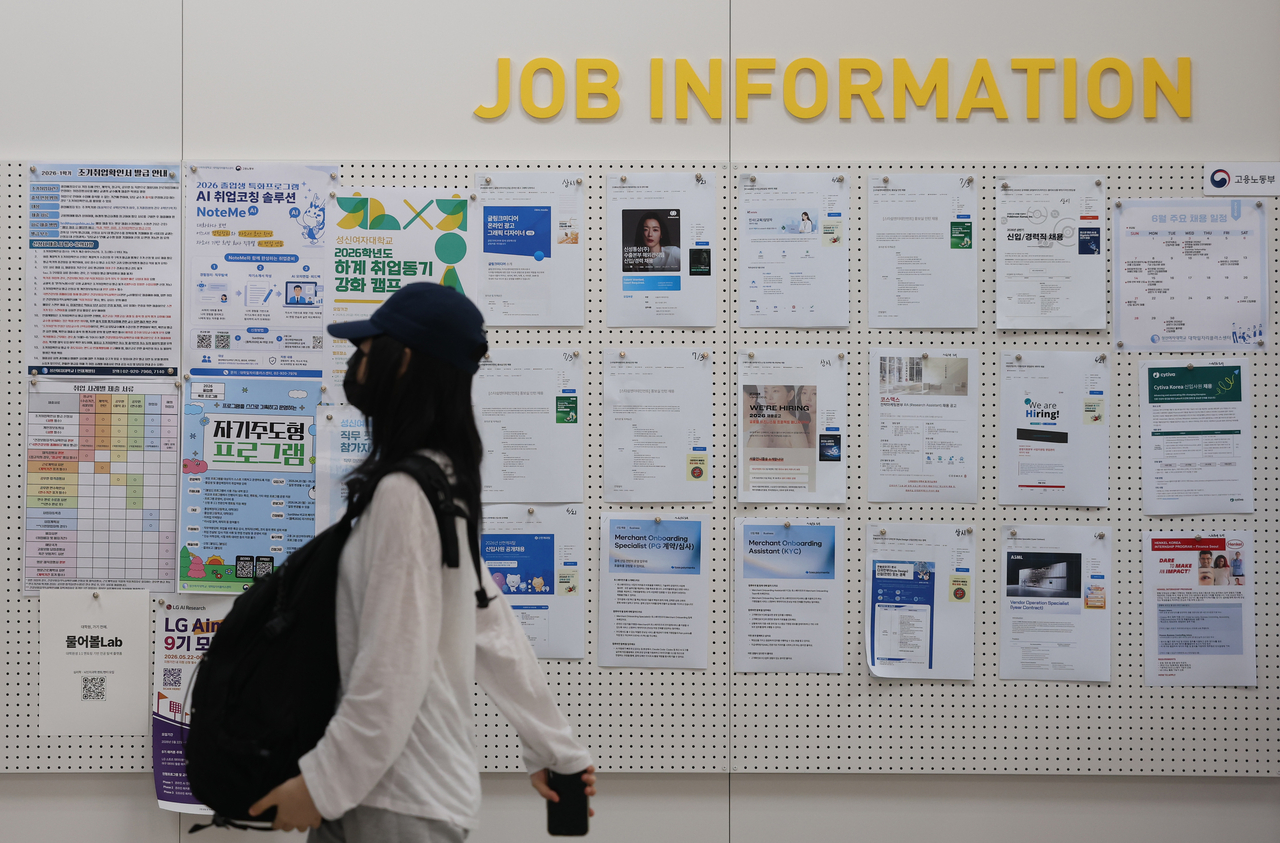
Lee, a 21-year-old university student, used to plan overseas trips with friends the moment summer break began. This year is different. "Airfare alone feels like a burden now," she said. "The money I'd spend on one trip could cover certification exam fees or hagwon tuition for the TOEIC. I keep hearing how hard it is to find a job, so I'm going to spend the break building my resume instead."
The mood on Monday afternoon at Chung-Ang University's Seoul campus in Dongjak-gu reflected that shift. With the semester winding down, students asked about their summer plans gave answers that sounded more like Lee's — certifications, internships and part-time work — than the overseas itineraries that once dominated the conversation.
Yoo So-bin, 20, a first-year student in the media and communications department, plans to spend the break studying for a computerized accounting certification. "I started to feel that my major alone might not be enough to land a job," she said. "I'm also preparing for the tax accountant exam, and I think getting this certification now will help me down the road."
Record-high exchange rates and persistently low youth employment are turning this summer break into a season of job preparation rather than rest and travel — and the trend is spreading even to first- and second-year students who still have years before they graduate.
The data back up the anxiety. According to the Ministry of Statistics, the number of employed young people aged 15 to 29 fell by 255,000 in May compared with the same month a year earlier. The youth employment rate dropped 2.4 percentage points to 43.8 percent — the 25th consecutive month of decline.
Financial pressure has compounded the job-market anxiety driving students to rethink their summer plans. With the won-dollar exchange rate climbing toward the 1,540-won level, the cost of overseas travel has risen sharply. The won closed at 1,538.0 won against the dollar on Monday in the Seoul foreign exchange market, up 11.0 won from the previous session.
Even freshmen are worried about jobs — and spending break building their resumes
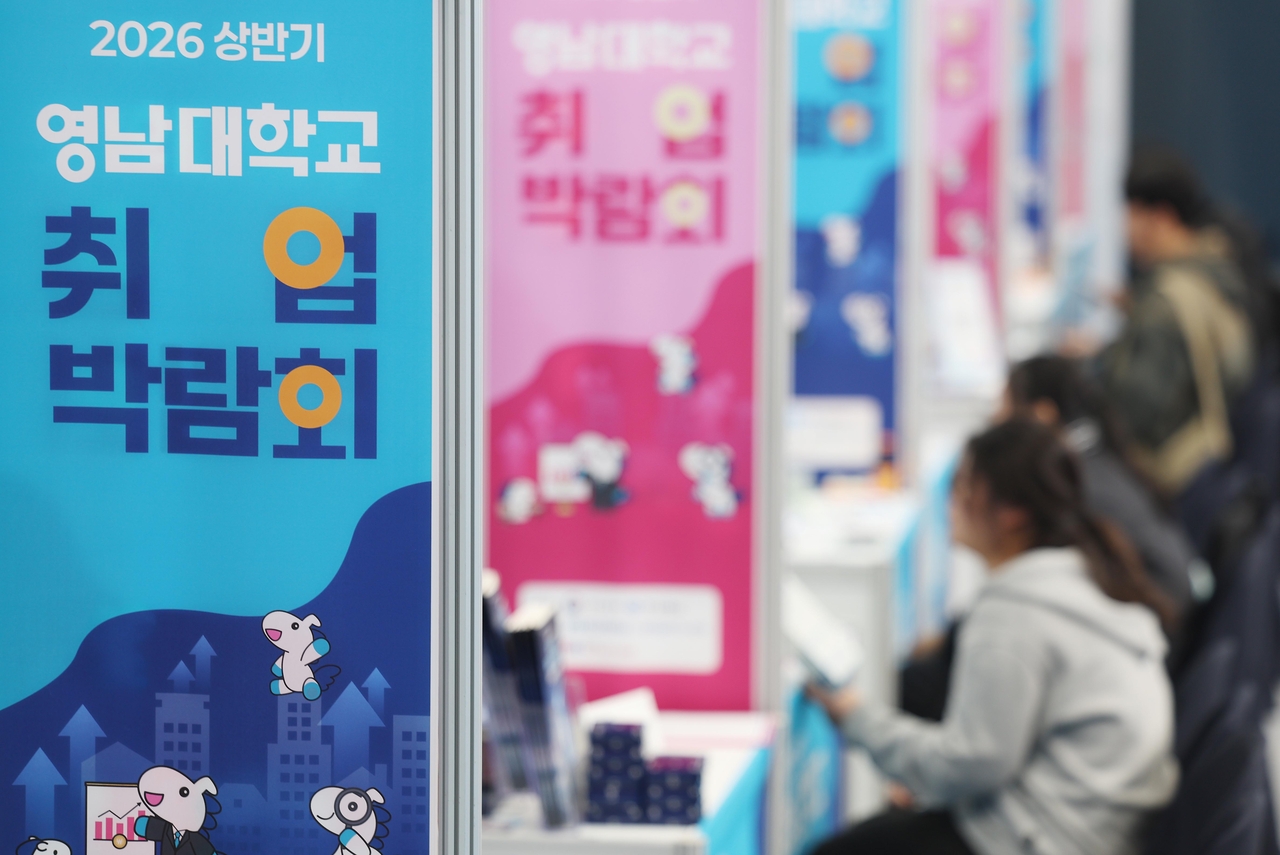
Anxiety about employment runs deep even among lower-year students. Park Seung-hyeok, a Chung-Ang freshman, said the pressure weighs on him more than on most of his classmates. "I took the college entrance exam three times before getting in, so I'm older than my peers and that makes me worry about employment even more," he said. "Ultimately I want to start my own business, but I think I need to build experience at a company first." He plans to travel domestically rather than go abroad this summer.
Choi Ji-seok, a fellow Chung-Ang student majoring in advertising and public relations, said he faces similar pressure. "Because I also retook the exam multiple times, I think about employment more than other freshmen," he said. "I'm planning to do private tutoring or work part-time at a cafe to cover living expenses and save up for next semester."
A first-year student in the electrical and electronic engineering department said he is spending the break preparing for a computer skills certification. Midway through the interview, he checked the results of an exam he had taken the previous week and his expression stiffened at a score lower than he had expected. "I haven't decided what kind of work I want to do yet, but everyone prepares for this certification, so I want to get it now," he said. "A lot of my friends are working toward it too."
Students approaching their final semester said they have noticed the shift in attitude among their younger peers. Park, a 27-year-old student in Chung-Ang's College of Education who enrolled in 2019, said the campus feels markedly different from when he was a freshman. "Seeing second- and third-year students — and even freshmen — already chasing certifications and extracurricular activities makes me feel a sense of urgency," he said.
Han Na-ri, a third-year student at Hankuk University of Foreign Studies, said the purpose of going abroad has changed. "These days, even when students do go overseas, it's less about simple travel and more about finding internships or job opportunities," she said. "Third-years now are far more focused on job preparation during the break than our sunbae were three years ago."
Byeon Chan-seok, also at Hankuk University of Foreign Studies, said the numbers tell the story. "Two years ago, maybe eight out of 10 lower-year students were planning overseas trips. Now it feels closer to six," he said. "And even those who do go abroad are looking for experiences they can put on a resume — volunteer work, credit exchanges, things like that."
Students are also getting involved in extracurricular activities earlier than before. Son Ji-seong, who participates in a university student press corps, said the generational shift is visible in recruitment. "Of the 60 people who applied in this round, 10 were freshmen from the classes of 2025 and 2026," he said. "This used to be a club that almost never got applications from first-year students, but lately even lower-year students are actively applying because they're already thinking about their resumes."
Kim Yun-tae, a sociology professor at Korea University, said the trend reflects structural pressure rather than individual choice. "Lower-year students spending their breaks on certifications and TOEIC preparation instead of travel or leisure should be seen not as a personal decision but as a form of social compulsion created by the job crisis," he said. "Employment insecurity is the biggest driver, and the economic burden of affording travel or leisure in the first place is also a factor."
newday@heraldcorp.com
raining@heraldcorp.com