Seoul Metro revises passenger transport terms to restrict large-capacity lithium batteries and lithium-powered personal mobility devices from July 1; items exceeding 160Wh affected, though mobility aids for passengers with disabilities are exempt — a "preventive safety measure for a safer subway"
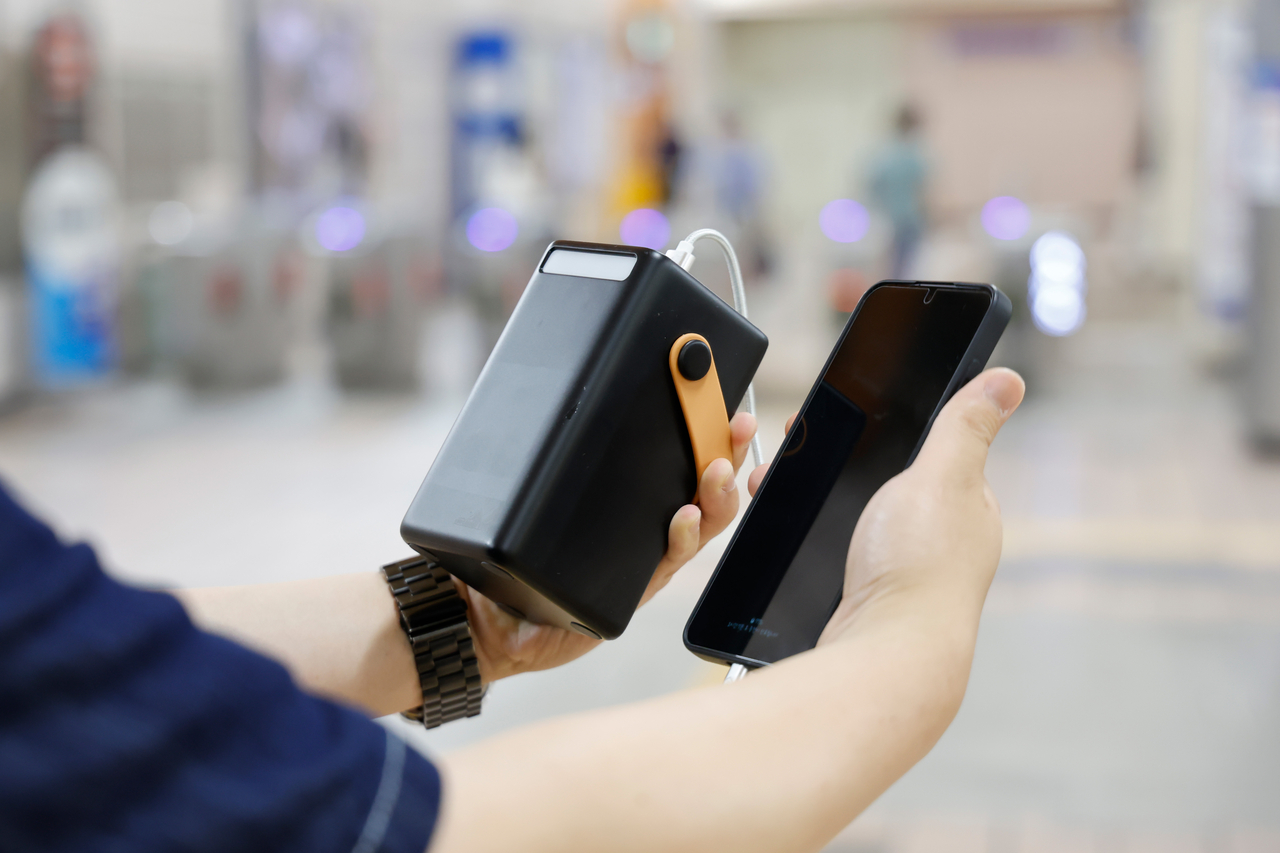
Seoul Metro will ban large-capacity lithium batteries and lithium-powered personal mobility devices (PMDs) from its subway system starting July 1, in a bid to eliminate fire hazards and protect passenger safety.
Concerns over battery ignition incidents have grown as the use of lithium batteries in electric scooters, electric bicycles and portable power banks has surged nationwide. Subway-related battery incidents have continued to mount — in September last year, smoke from an electric scooter battery brought aboard by a passenger at Hapjeong Station forced trains on Lines 2 and 6 to pass through without stopping. This year, four separate incidents involving passengers' portable power banks have already occurred.
Unlike ordinary fires, lithium battery fires are difficult to extinguish in their early stages due to internal thermal runaway and carry a high risk of reignition, requiring especially careful management in a subway system used by large numbers of people.
In response, Seoul Metro revised its passenger transport terms after seeking legal interpretations from the Ministry of Land, Infrastructure and Transport and other relevant authorities. The battery restriction threshold was drawn from internationally recognized aviation safety standards for lithium batteries.
Under the revised terms (Article 35, Prohibited Carry-on Items), passengers will be barred from bringing into subway stations any lithium-powered vehicle — including electric bicycles, electric scooters and electric unicycles — as well as any lithium battery exceeding 160Wh. Mobility aids for passengers with disabilities, such as electric wheelchairs, are exempt.
The restricted batteries — those exceeding 160Wh — are primarily the large-format units found in PMDs such as electric scooters, electric bicycles and electric unicycles. Most everyday consumer electronics, including smartphones, tablet computers, laptops and standard portable power banks, fall below the 160Wh threshold and are not subject to the restriction.
The 160Wh limit is equivalent to roughly 43,000mAh in commonly used smartphone power bank capacity. Power banks in the widely used 10,000mAh to 20,000mAh range remain permitted, though Seoul Metro advises passengers to check the capacity label on their devices, as battery capacity varies by product type and model.
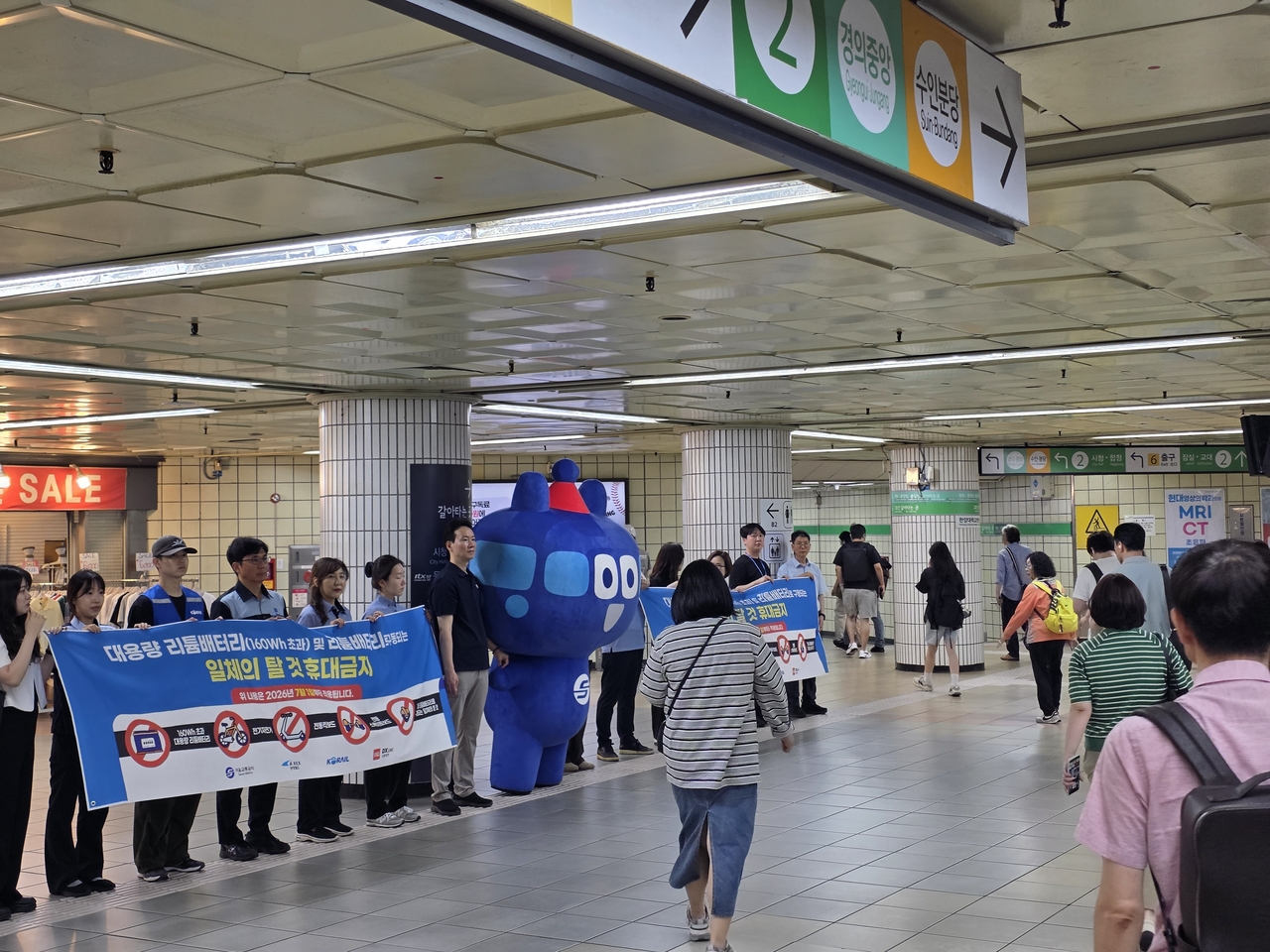
Before the rule takes effect, Seoul Metro plans to publicize the changes through station notices, destination display boards, its website and joint campaigns with related agencies, while also conducting on-site guidance at stations.
"Lithium batteries are an essential part of daily life, but they are harder to extinguish and more dangerous than ordinary fires when they ignite, which makes proactive management necessary," Seoul Metro President Kim Tae-gyun said. "This measure is a preventive safety step aimed at creating a safer subway environment, and we ask for passengers' understanding and cooperation."
seouldream01@heraldcorp.com