Lung cancer is the leading cause of cancer death in South Korea, and its incidence is just as alarming. According to national cancer registry statistics, lung cancer was the third most common cancer in 2022, behind thyroid and colorectal cancer. Among male cancer patients, 21,646 of 147,468 had lung cancer; among female patients, 10,667 of 134,579 did — meaning men accounted for nearly twice as many cases. The disease is most prevalent in people aged 65 and older. Because lung cancer produces almost no early symptoms, diagnosis at an early stage is difficult. Coughs, shortness of breath, chest pain and coughing up blood occasionally appear, but patients often dismiss them as minor. The early detection rate stands at just 20 percent, and more than 80 percent of cases are found at stage 3 or 4.
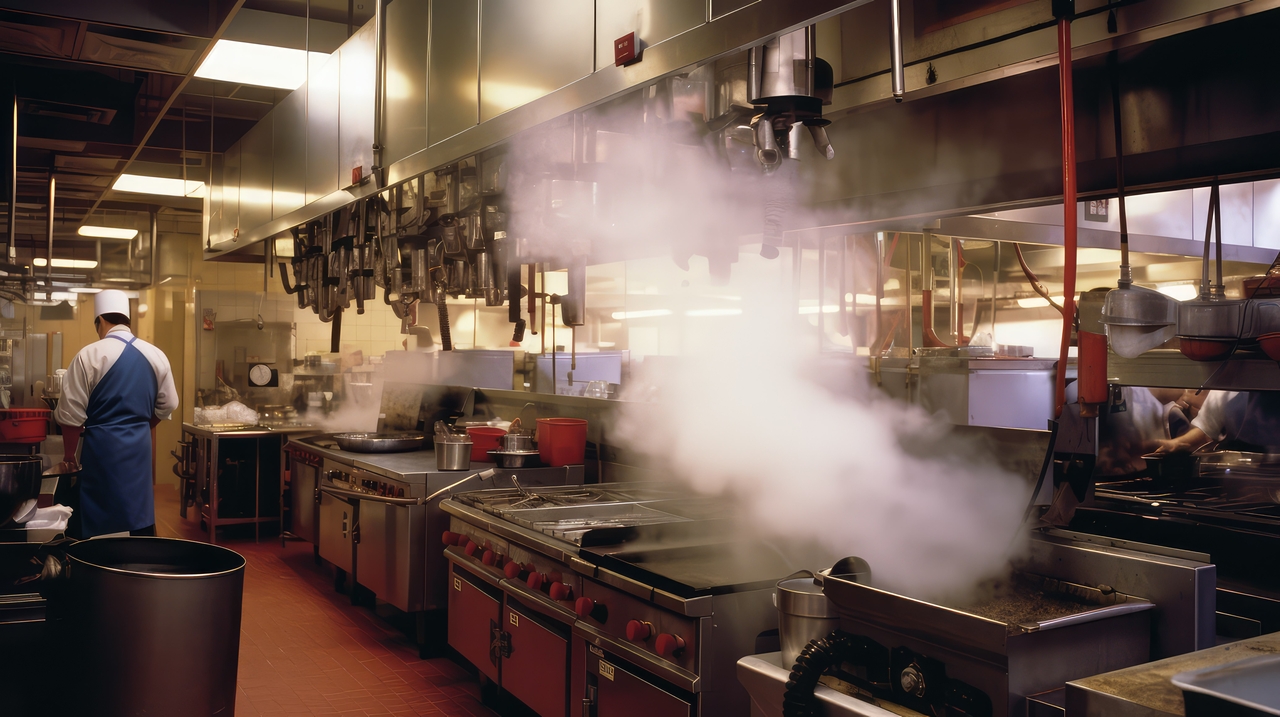
Smoking accounts for 80 percent of lung cancer cases, and smokers face a risk 15 times higher than non-smokers. Non-smokers are not safe, however. More than 80 percent of female lung cancer patients have never smoked. Proposed causes of lung cancer in non-smoking women include secondhand smoke, fine dust and air pollutants, and contaminants produced during cooking. Kitchens with poor ventilation or those that use large amounts of high-temperature oil are particularly high-risk environments.
Fine particulate matter — classified as a Group 1 carcinogen by the WHO — raises the risk of lung cancer with prolonged, heavy exposure. A 2023 study published in the journal Nature, covering 32,957 lung cancer patients across four countries, found that higher exposure to fine particulate matter was associated with a higher rate of EGFR gene mutations, a known driver of lung cancer. Particularly striking was the finding that non-smokers in high-pollution areas faced a greater chance of developing lung cancer than smokers in low-pollution areas.
For homemakers and food service workers, so-called "cooking fume" is a significant lung cancer risk. Fine particles generated during cooking are known to harm health. A survey by the Korean Association for Lung Cancer found that when kitchen smoke is thick enough to blur vision, lung cancer risk rises about 2.7 times; cooking with oil four or more times a week raises it about 3.7 times. Carcinogens including polycyclic aromatic hydrocarbons — produced when protein in fish or meat burns — and benzopyrene, released when oil burns, enter the respiratory tract and cause lung cancer.
"As indoor carcinogen exposure has come to be recognized as an important cause of lung cancer in non-smokers, managing indoor air quality as a core lung cancer prevention strategy is receiving growing emphasis," said Myung Jun-pyo, a professor in the Department of Occupational and Environmental Medicine at Seoul St. Mary's Hospital, The Catholic University of Korea. "For cafeteria cooks who spend most of their day cooking — unlike ordinary home cooks — cooking habits and ventilation practices are the factors that most significantly determine lung cancer risk."
Cooking over an open flame produces carbon monoxide and fine particulate matter. Carbon monoxide causes headaches and nausea, and exposure to even low concentrations for more than 20 minutes can trigger neurological symptoms. Cooking fume contains large amounts of ultrafine particles and polycyclic aromatic hydrocarbons such as benzo[a]pyrene. Formaldehyde, carbon monoxide, nitrogen dioxide and other gaseous pollutants are also released during combustion, meaning people who cook regularly face routine exposure to lung cancer risk.
"Concentrations spike sharply during high-temperature cooking," Myung said. "Cases have been reported where ultrafine particle concentrations during cooking exceed 1,000 micrograms per cubic meter, and without a range hood running, people can be exposed to concentrations roughly 90 times higher than normal — a serious situation that repeats itself daily. If such exposure continues over a long period, lung cancer risk can rise substantially."
The International Agency for Research on Cancer (IARC) classifies cooking fume generated during high-temperature cooking as a probable human carcinogen (Group 2A) and has not classified cooking fume itself as a Group 1 carcinogen. Cooking fume does, however, contain a mixture of polycyclic aromatic hydrocarbons such as benzo[a]pyrene — known to cause lung cancer — and ultrafine particles. Unlike homemakers who cook at high temperatures for short periods, professional cooks face high-concentration exposure, and that exposure alone significantly elevates their lung cancer risk, particularly when it continues at high concentrations over the long term.
![The International Agency for Research on Cancer classifies cooking fume generated during high-temperature cooking as a probable human carcinogen (Group 2A) and has not classified cooking fume itself as a Group 1 carcinogen. Cooking fume does, however, contain a mixture of polycyclic aromatic hydrocarbons such as benzo[a]pyrene — known to cause lung cancer — and ultrafine particles. (Photo: Getty Images Bank)](https://wimg.heraldcorp.com/news/cms/2026/06/25/news-p.v1.20260625.bfeb10a295cf48b8aa65af5e5c1384ce_P1.jpg)
Ventilation is the single most important step in reducing lung cancer risk from cooking fume. Range hoods must be turned on while cooking — they can rapidly cut the surge in fine particulate matter that occurs during cooking. Ventilating the kitchen for at least 30 minutes after cooking is also essential.
Air purifiers are clearly effective at removing fine particulate matter. HEPA filters can remove more than 99 percent of particles even smaller than ultrafine dust, making them highly effective. HEPA filters alone have limits when it comes to reducing lung cancer risk from cooking fume, however, because cooking fume contains chemical compounds such as benzo[a]pyrene. An air purifier equipped with an activated carbon filter — which captures and neutralizes gaseous pollutants including odors, organic compounds and volatile organic compounds (VOCs) — is therefore more helpful.
The order of use also matters for an air purifier to work effectively. Cooking fume with a high oil content can quickly foul a HEPA filter and degrade its performance. When cooking fume levels are high, the right approach is to first lower indoor concentrations through ventilation and hood use, then run the air purifier as a supplementary measure. Choosing a unit sized appropriately for the space is important, and since filtration capacity ultimately depends on the filter, a product with an H13-rated filter or higher is recommended. "Using an air purifier without ventilation is not advisable; the most effective approach is to ventilate naturally first and then run the air purifier," Myung said. "Evidence that air purifier use reduces lung cancer incidence or mortality is still limited, so its benefits should be viewed as modest."
Reducing cooking fume harm at its root requires improvements starting at the facility design stage — an approach that can simultaneously lower not only lung cancer risk but also musculoskeletal disorders and heat-related illness. Standardizing cafeteria equipment and layout so that safety standards are built in from the point of new installation is the recommended path. Cafeteria workers are most prone to musculoskeletal disorders from repeatedly lifting heavy loads and standing for long hours; heat-related illness, noise-induced hearing loss from range hoods and dishwashers, and falls and fractures are also common. Musculoskeletal disorders leave lasting damage to the neck, back and shoulder joints; heat-related illness can lead to exhaustion or fainting; and noise-induced hearing loss is difficult to reverse. Even with facility and structural improvements, cooking and serving food ultimately requires human workers, so concerns about job losses are not significant.
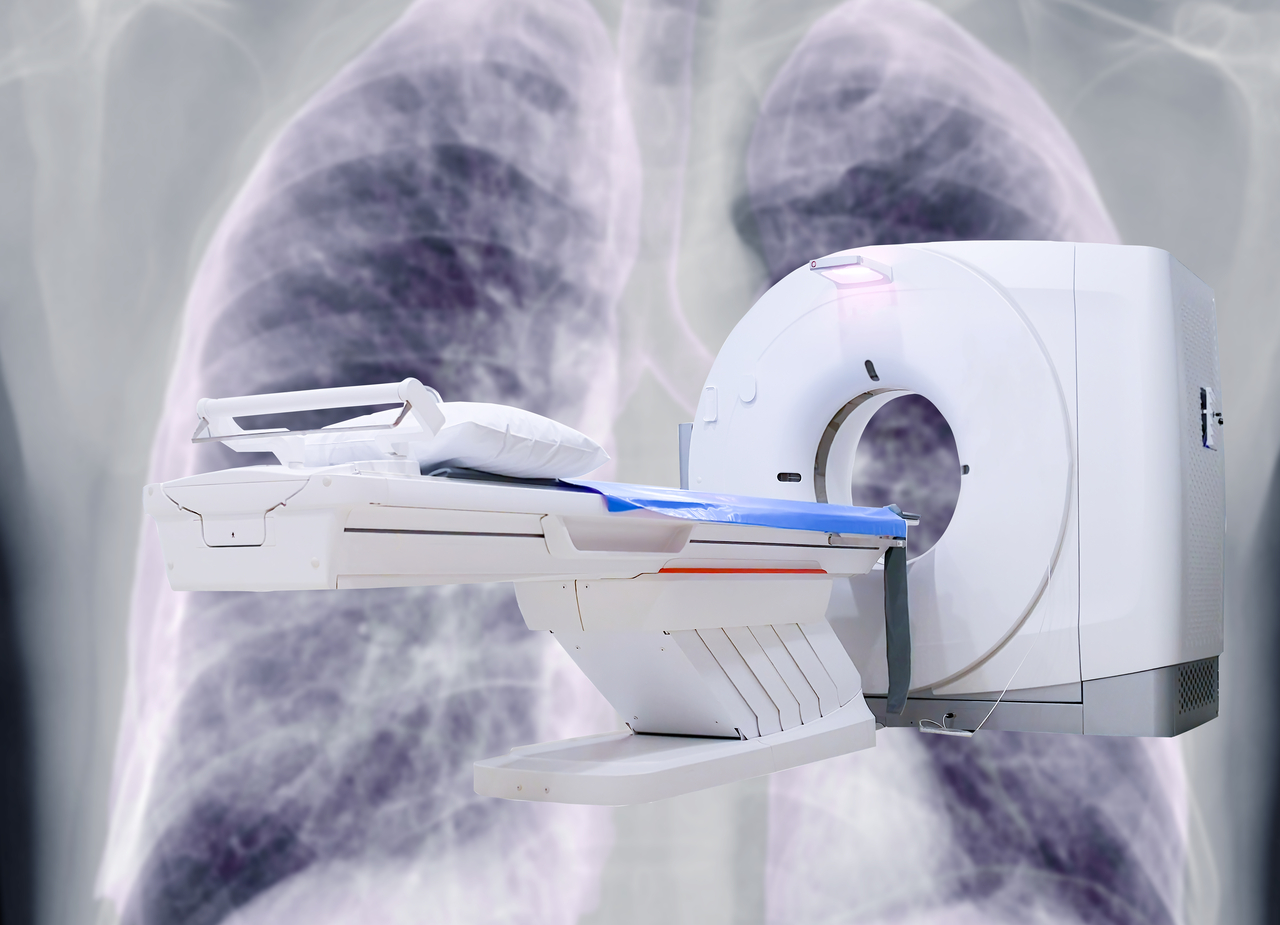
"Low-dose CT screening for non-smoking workers exposed to cooking fume should be considered on a welfare basis, at intervals of three to five years, taking individual risk factors into account," Myung said. "If we build a prevention-centered management system — incorporating mid-shift stretching and rest breaks, wrist and knee braces, non-slip footwear to prevent musculoskeletal disorders, and hearing and musculoskeletal assessments as part of regular health checkups — we can reduce the risk of lung cancer and a range of other diseases, and help workers do their jobs in a safer, healthier environment."
kty@heraldcorp.com