Wemade founder sells entire stake to Chinese-linked investment platform
Chinese capital, once content as No. 2 shareholder at Krafton and Netmarble, steps into driver's seat
Fears grow over loss of key IP control and dependence on Chinese money
Wemade eyes China market and AI gaming expansion on back of Mir IP
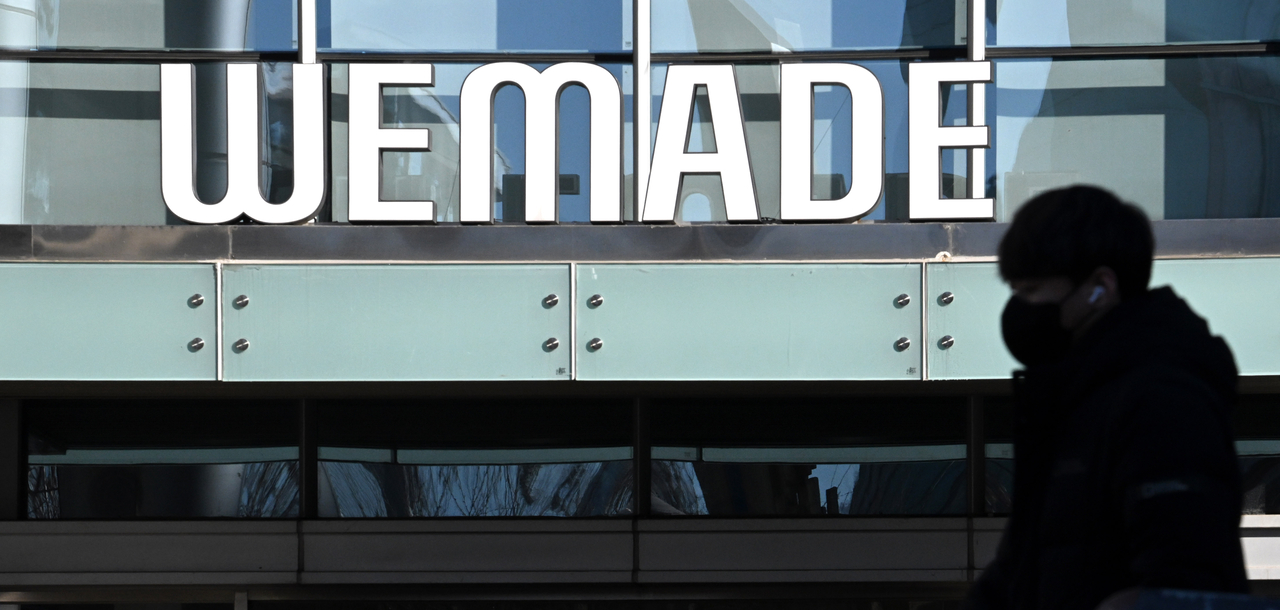
Chinese capital has now seized outright control of a Korean game company.
Park Kwan-ho, founder and largest shareholder of Wemade, has sold his entire stake to a Chinese-linked investment platform, handing control of the company to Chinese investors.
The move is extraordinary given that Chinese capital had until now largely confined itself to the role of second-largest shareholder or strategic investor at major Korean game companies such as Krafton, Netmarble and Shift UP. With a mid-sized Korean game developer now passing into Chinese hands, concerns are expected to deepen over the industry's dependence on Chinese capital and the loss of control over core intellectual property.
According to Wemade, Park signed a share purchase agreement Tuesday to transfer all 13.35 million common shares he held in the company to Neopulse.
The shares represent his full 39.33 percent stake. The total transaction value is 920 billion won ($597 million), with a down payment of 92 billion won already settled and the remaining 828 billion won due Oct. 30.
Once the deal closes, Neopulse will hold a combined 13.663 million shares — including the 313,053 shares it already owned — giving it a 40.25 percent stake and making it the largest shareholder. Park will retain no shares. Neopulse is an investment platform with close ties to Alibaba and major Chinese game companies.
Chinese capital entering the Korean gaming industry is not new. ImageFrame Investment, classified as a Tencent affiliate, holds a 14.40 percent stake in Krafton — just 1.15 percentage points behind chairman Chang Byung-gyu, the largest shareholder at 15.55 percent. At Netmarble, chairman Bang Jun-hyuk holds 25.29 percent while Chinese-linked Han River Investment holds 18.38 percent. At Shift UP, CEO Kim Hyung-tae holds 38.43 percent and Aceville Pte. Ltd. holds 34.48 percent, making Chinese-linked capital the second-largest shareholder there as well.
Even so, Chinese capital has generally stayed outside the management circle — deeply involved in China market entry and publishing partnerships, but stopping short of becoming the largest shareholder and taking on direct management responsibility. That restraint reflects a combination of factors: domestic hostility toward Chinese investment and the regulatory and reputational risks that come with acquiring control.
The Wemade deal breaks from that pattern, as Chinese capital — previously content to sit in the second-largest shareholder or strategic investor seat — now takes full management control of a Korean game company. There is a precedent: Actoz Soft was acquired by China's Shanda in 2004 in a deal worth about 96.1 billion won. But the Wemade transaction is nearly ten times larger at 920 billion won, and it bundles the founder's entire stake with the Mir IP franchise, which commands strong recognition in the Chinese market. The deal is likely to intensify concerns that Korean game companies, in their drive to grow in China, risk surrendering both their core IP and management control to Chinese capital.
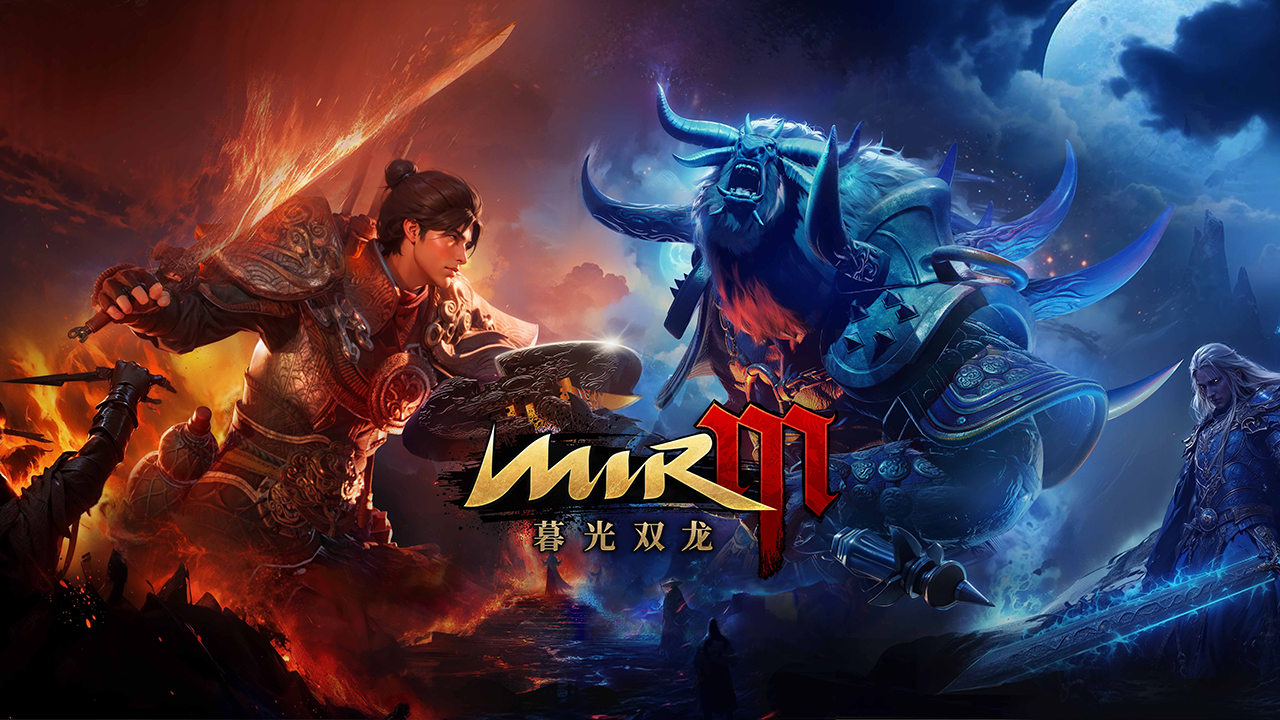
The Mir IP is also the central reason Neopulse bet on Wemade. According to the company, Neopulse cited Wemade's MMORPG development capabilities and the Mir IP's competitiveness in the Chinese market as its primary investment rationale.
Despite considerable concern inside and outside the industry, Wemade and Neopulse say they intend to use the deal as a springboard for expanding in China and transitioning to AI-driven game development. The two companies plan to diversify the Mir IP's business model and broaden its global distribution network by working with major Chinese IT firms, game developers and publishers. They also plan to apply AI technology to game development, next-generation graphics, digital humans and live service operations.
Park cited global market expansion as the reason for the sale in a letter to employees. "The game industry can no longer be completed within a single country," he said. "Expanding into larger markets is no longer a choice — it is a condition for survival." He went on to say that the Mir IP continues to generate significant value in China, and that North America and Europe could become another axis of growth.
A Wemade official said the partnership "will serve as a pivotal opportunity to secure a leading position in the next-generation game market, built on strong mutual understanding and trust," adding that the company "will continue to meet market expectations through a thorough localization strategy and by strengthening AI-based game development capabilities."
Meanwhile, Park said he intends to remain at the company until the transaction is finalized. In his letter, he said the agreement still requires final procedures and payment of the remaining balance, adding, "Nothing changes right away." He said he would "remain here and take responsibility for the company until then, and prepare for this transition in the best possible way." He hinted at stepping back from day-to-day management once the process is complete, saying he hopes to "take a step back and sincerely cheer on that growth."
rim@heraldcorp.com
chami@heraldcorp.com