
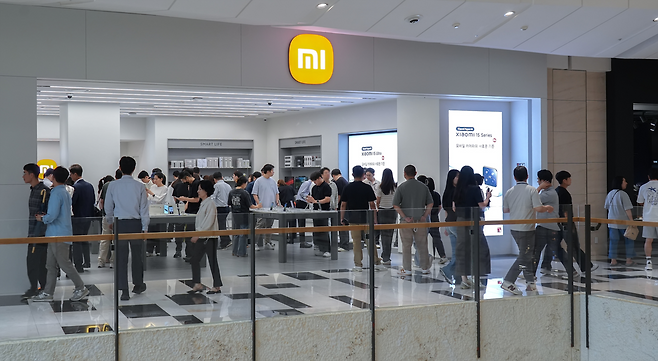
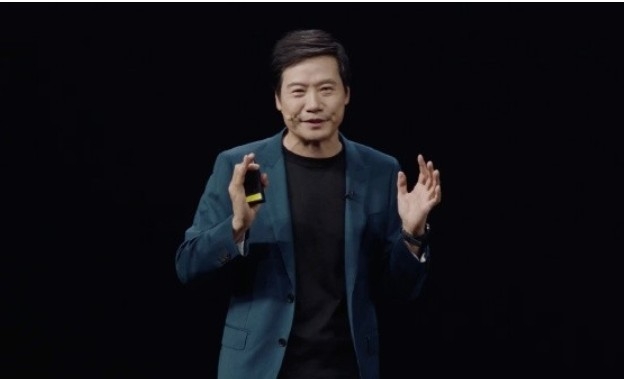
"We will surpass Samsung Electronics and become the world's No. 1 smartphone maker within three to five years."
That rallying cry from Xiaomi founder and CEO Lei Jun is looking increasingly hollow. Surging investment in AI data centers has driven up prices for memory chips and key components, forcing Xiaomi and other Chinese smartphone makers to cut their shipment targets for this year. Chinese manufacturers rely heavily on mid- to low-end devices and cannot easily pass rising costs on to consumers — meaning the more they sell, the worse their margins become.
Major Chinese smartphone makers — including Xiaomi, Oppo, Vivo and Honor — have recently notified key component suppliers that they are lowering their shipment targets for this year, according to foreign media reports and industry sources.
The companies cut their targets by as much as 30 percent, citing a shortage of memory chips and rising component prices.
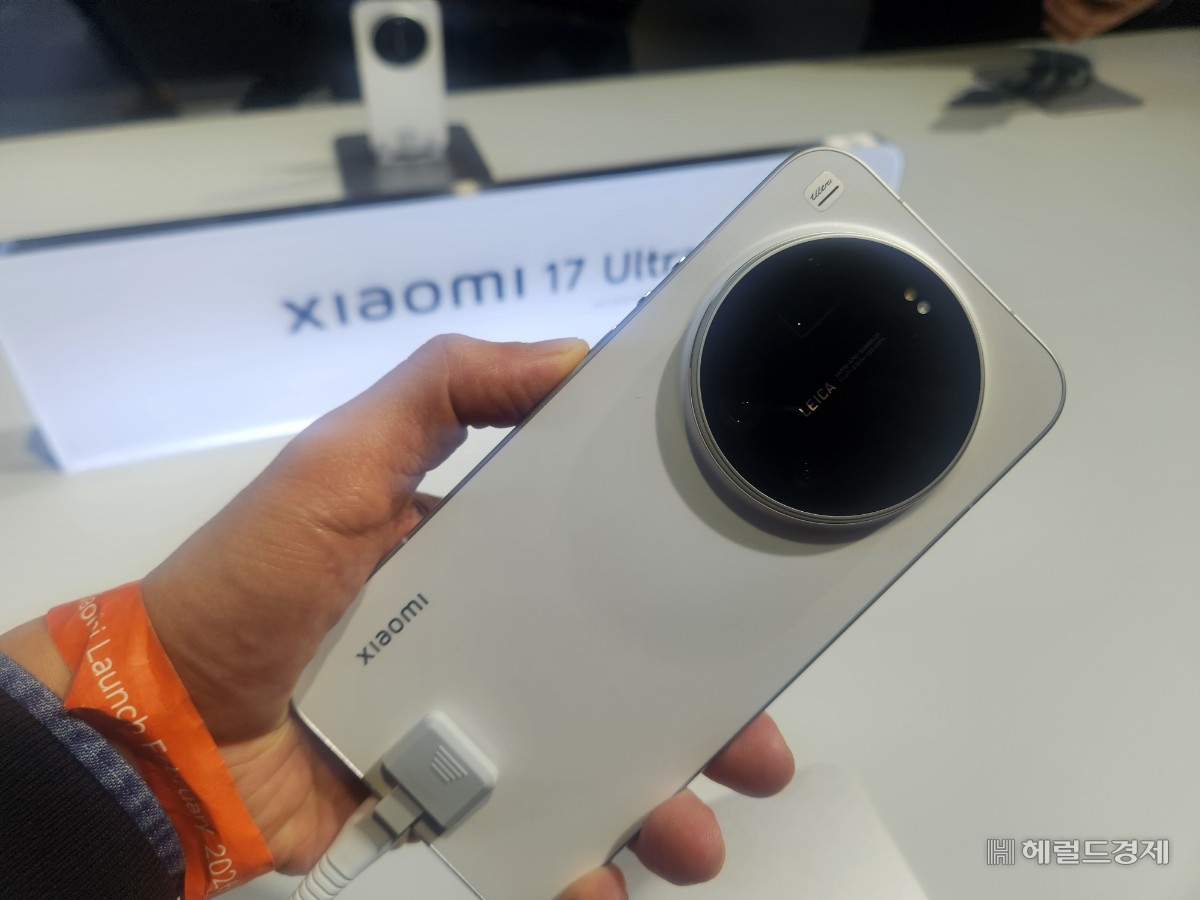
Xiaomi has been hit hardest. The company shipped about 170 million smartphones last year but had already trimmed its target to around 135 million units early this year to reflect slowing consumer demand. It has since revised that figure down again to roughly 95 million units amid the component shortage and price surge — in effect cutting its target to about half of last year's actual shipment volume.
Oppo and Vivo have also lowered their shipment forecasts for this year to below 90 million units each, while Honor has signaled to its supply chain that sustaining last year's pace of growth will be difficult. Chinese smartphone makers that had been rapidly filling the void left by Huawei and expanding their global market share are now pulling back in unison.
The root cause of the shipment cuts is a memory supply crunch stemming from AI data center demand. Soaring appetite for high-bandwidth memory (HBM) and server DRAM has led memory makers to prioritize production capacity for high-margin AI server products. The ripple effects are now squeezing supply and pushing up prices for the DRAM and NAND flash used in smartphones, as well as for some printed circuit boards and support chips.
The pain is falling particularly hard on makers of mid- to low-end smartphones. Premium devices can absorb higher component costs by adding AI features and high-spec parts as justification for price increases, but budget models face stiff consumer resistance to any price hike. That puts the brakes squarely on the value-for-money strategy Xiaomi has long touted as its competitive edge. With cost pass-through difficult, cutting shipment volumes to limit losses has become the only viable option.
The market outlook is equally grim. Counterpoint Research has forecast that global smartphone shipments could fall by about 14 percent this year due to the component supply crunch. IDC has similarly warned that the decline could be even steeper for Android-camp vendors.
Amid the gloom, some analysts see an opportunity for Samsung Electronics' smartphone business. Samsung has been shifting its mix toward premium lines such as the Galaxy S and Z series, giving it more pricing power than Chinese rivals concentrated in the mid-to-low tier. Should Chinese makers be forced to scale back volumes due to the component shortage and deteriorating profitability, Samsung could find room to expand its share in the premium segment.
However, Samsung also carries a significant share of mid- to low-end phones in some emerging markets, leaving it exposed to demand weakness if prices rise. That is why analysts caution against assuming that a pullback by Chinese makers will automatically translate into market share gains for Samsung.
rim@heraldcorp.com





